
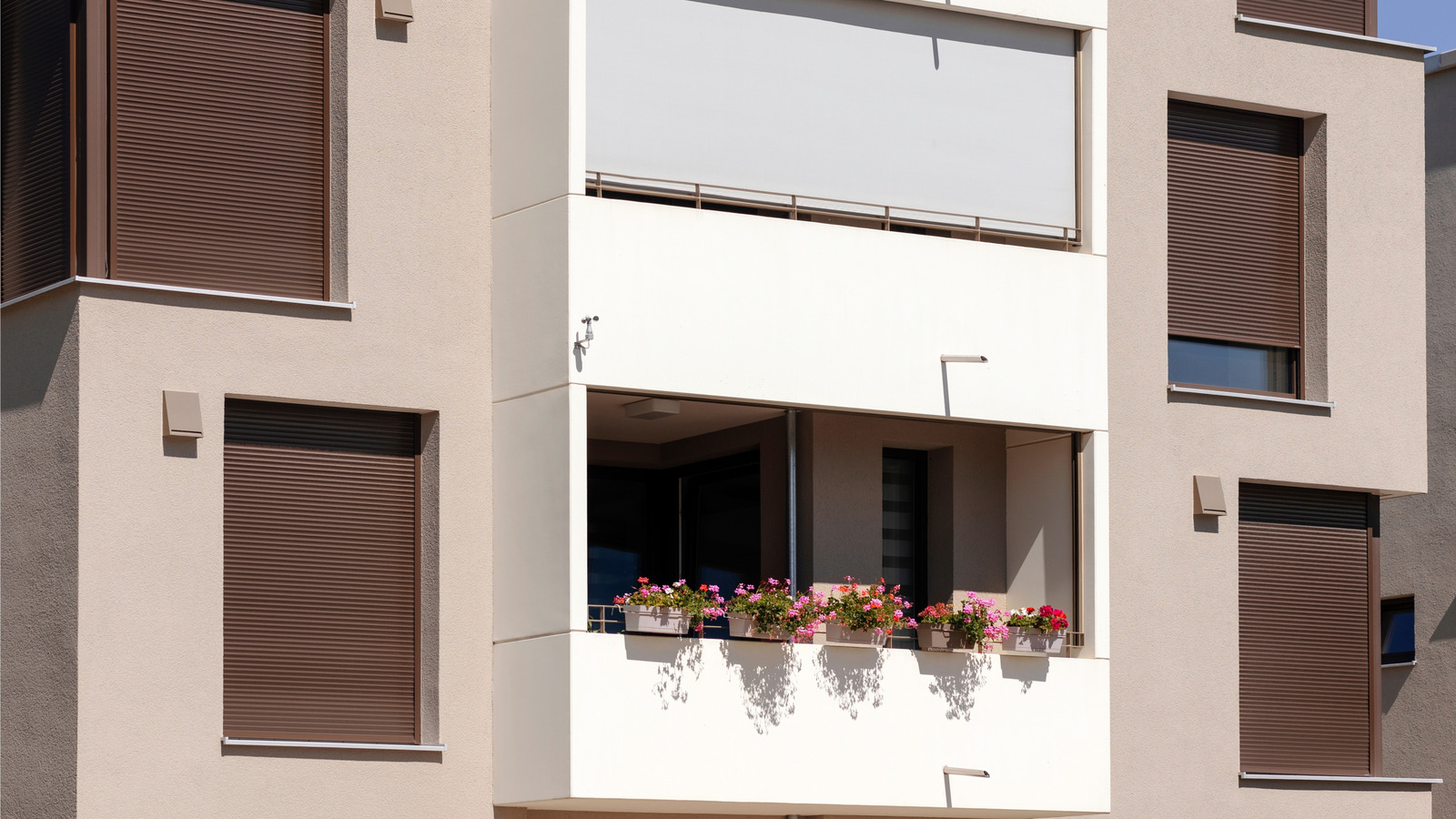
If you’ve ever been around a factory, you’ve probably spotted rolling shutters. They’re made of metal sections that roll up and down, often on a geared chain. Sometimes they’re manual, sometimes they’re powered. You may not have thought of using them in your home, but they’re gaining popularity with homeowners because of their awesome benefits. Rolling shutters have been big in Europe for ages, and now more and more American homeowners are enjoying their perks. They’re usually aluminum, and since they go on the outside of your windows, they offer great protection during storms (especially from flying debris). On sunny days, they can give you awesome shade to keep your home cool. They give you privacy and block sound. But the biggest plus? If security is a concern, it’s hard to beat a solid metal barrier for keeping out intruders. Don’t worry about them looking ugly – modern rolling shutters can be sleek and low-profile, and come in all kinds of finishes. They could even enhance your home’s style. While some are manual, many are remote-controlled, and some are even smart-enabled so you can control them from your phone anywhere. Rolling shutters have a ton of benefits, but they may not be right for every home.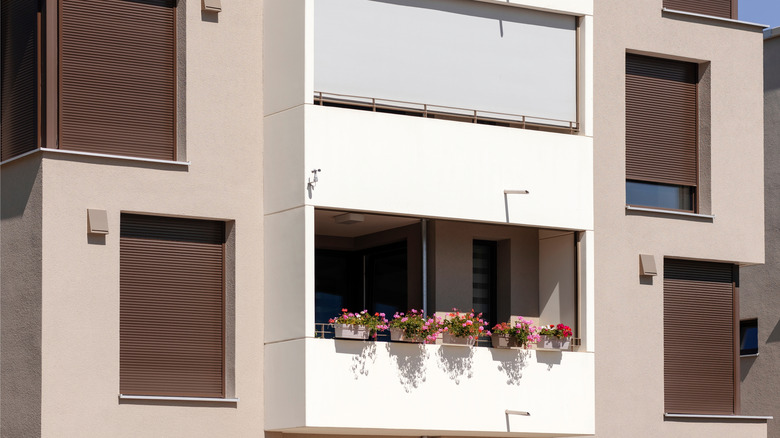 Mariana Serdynska/Shutterstock
Weighing up the pros and cons of rolling shutters
 luca pbl/Shutterstock
Rolling shutters are an excellent choice if security is your top priority – they provide some of the best protection out there. However, if you’re looking for the cheapest option, this isn’t it – you’re looking at around $500 to $1500 per window, with more high-tech models costing even more. And while you can save money by installing them yourself, it’s definitely not a beginner DIY project.
Rolling shutters don’t need a ton of maintenance, but you do need to keep an eye on them. The aluminum won’t rust, but dirt can interfere with how they operate. Cleaning them a few times a year will keep them in great shape for 15+ years, as long as you stay on top of the upkeep.
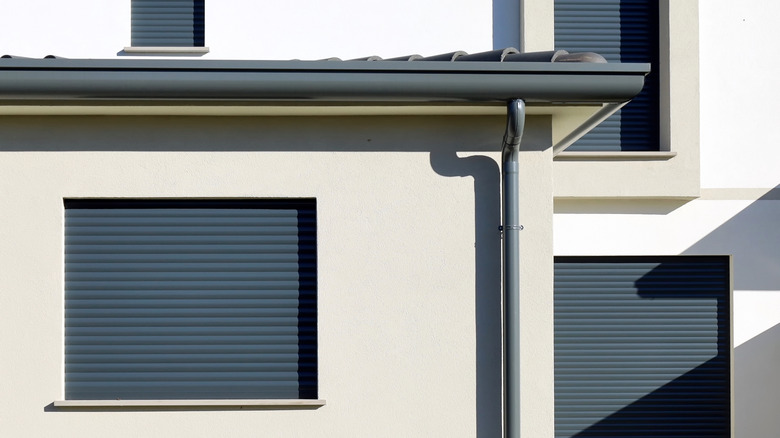
Rolling shutters don’t have to make your home look industrial – in fact, they can look really sleek and modern, especially on newer or contemporary-style homes. But they might not fit the vibe if you have an older, classic home. Ultimately, whether they’re right for you comes down to weighing their awesome benefits against the initial investment.