

Ridofranz/Getty Images
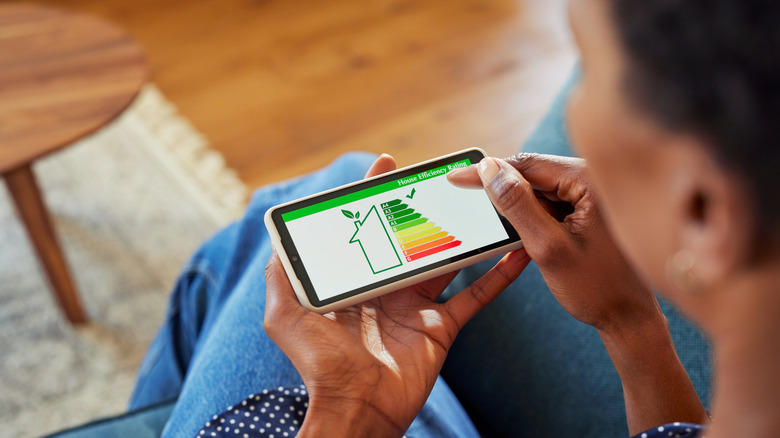
Feeling a cold breeze when you walk past a window or having one room significantly hotter or colder than the rest of your home can be frustrating. But you can increase your home’s comfort and lower your energy bills at the same time. While major home efficiency upgrades can be expensive, there are plenty of federal, state, and local incentives to help you out. You just need to know where to look.
The good news is that not all federal energy efficiency programs have ended. Low-income homeowners can still get help from the Department of Energy’s Weatherization Assistance Program, which can reduce your energy costs by up to 30%. And the Department of Housing and Urban Development has a program that provides loans to homeowners for energy efficiency upgrades.
How to find state and local incentives for home efficiency upgrades

Srdjanpav/Getty Images
With federal incentives winding down, you’ll need to look closer to home for help with efficiency upgrades. Many states have their own rebate, tax credit, and financing programs for things like weatherization, HVAC, and appliances. Your local municipality may have its own offerings too. And your utility company may provide incentives, since encouraging energy efficiency is cheaper than building new power infrastructure.
Not sure where to start? The Database of State Incentives for Renewables & Efficiency (DSIRE) is a great resource. You can search by state to see what programs are available and their eligibility requirements, incentive amounts, and expiration dates. It may take some digging, but the savings on your energy bills and increase in home comfort will be worth it, not to mention the boost to your home’s value when you decide to sell.
Related Posts
Easy Way To Use Up Extra Rags For DIY Washcloth
Mariana Serdynska/Shutterstock Washcloths can really pile up over time, and before you know it, your…
Avoid Paying Big at Pottery Barn – Hobby Lobby Has a Very Similar Cheaper Option
Victoria Ditkovsky/Shutterstock When it comes to home design must-haves, big-name brands often set the trends.…

What To Do If Landlord Won’t Let You Put In An AC In Your Home
Dima Berlin/Getty Images When the weather outside is scorching, we all need a cool place…