
We may receive a commission on purchases made from links. I’ll be honest—I really can’t stand landscape fabric. And that’s not just my opinion as a permaculture specialist talking. As a master gardener with over 20 years under my belt, this is something I genuinely dislike. Even the stuff that’s marketed as eco-friendly and super durable falls apart within a couple of years. The problem is that it’s basically woven plastic strips, and weeds punch right through it. Plant roots get tangled up in it, and before you know it, the whole thing is shredded and matted together—a total nightmare to pull out. Over time, it breaks down into tiny plastic bits that basically stick around in your soil forever. Landscape fabric is actually a major source of microplastic pollution in gardens. That’s why I’m always steering people away from synthetic weed barriers for their beds. It’s so much easier to use something that actually works. Using landscape fabric reminds me of when people used to throw old carpet down in their gardens. In my experience, it causes the same headaches down the road. Here’s where jute matting comes in as a game-changer. It looks and feels like burlap, but with a tighter, denser weave that actually blocks weeds. Don’t confuse it with jute mesh—that’s got an open, net-like pattern. Jute matting is tightly woven, which means it stops light from reaching weed seeds and keeps weeds from poking through too easily. Since jute is a natural, porous material, water and nutrients can still get through just fine—your rain and fertilizer teas pass right down to the soil.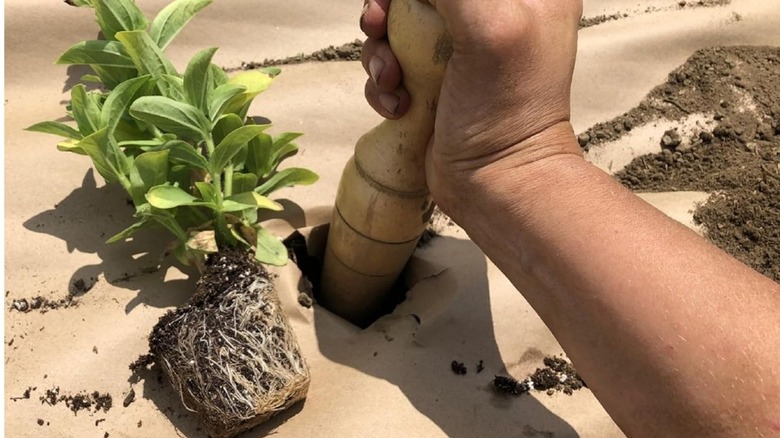 AGEGOMIC/Amazon
Skip Landscape Fabric And Try This Natural Alternative With A Bonus Perk
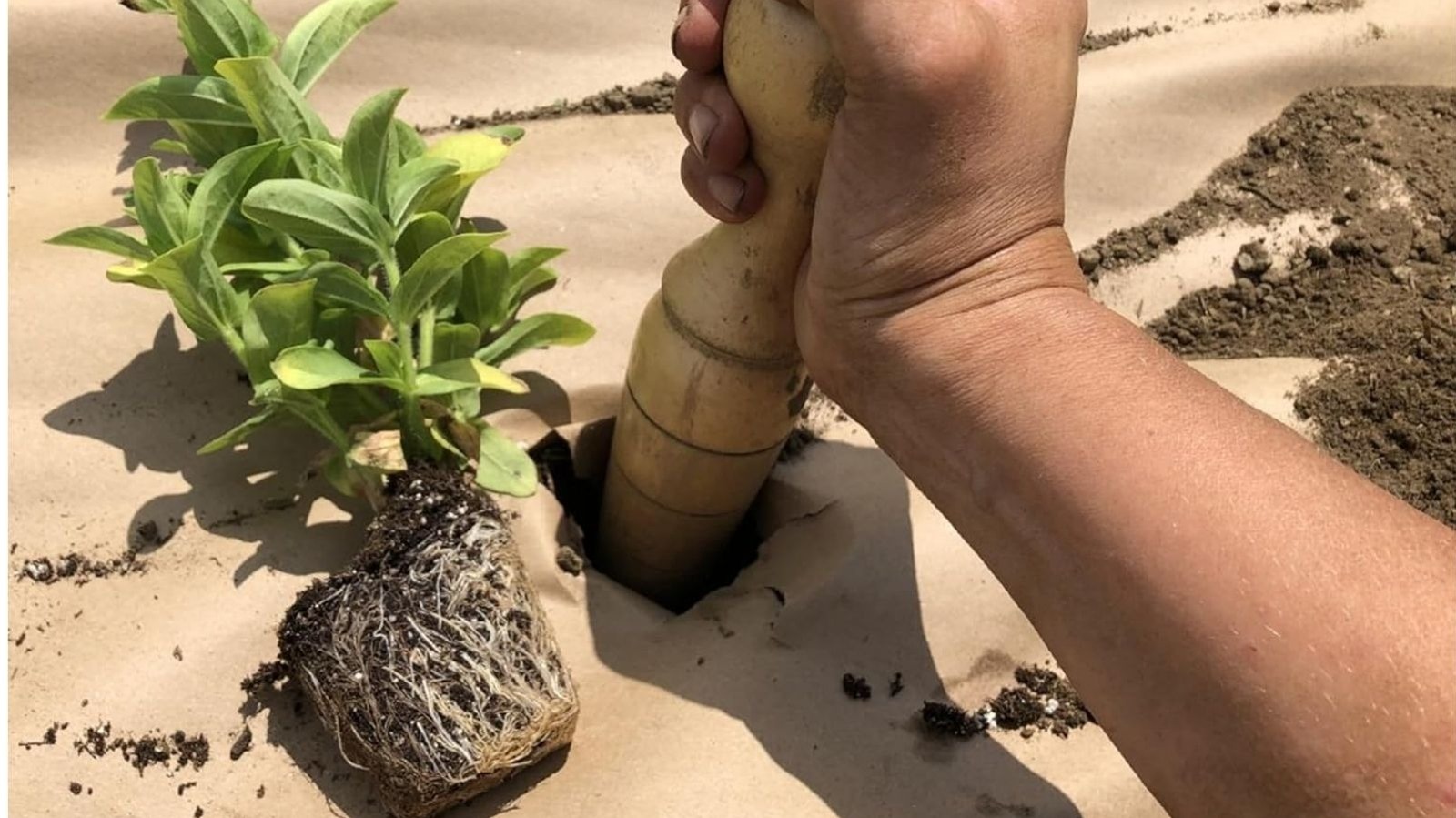
Why jute matting is the best choice for natural weed suppressant
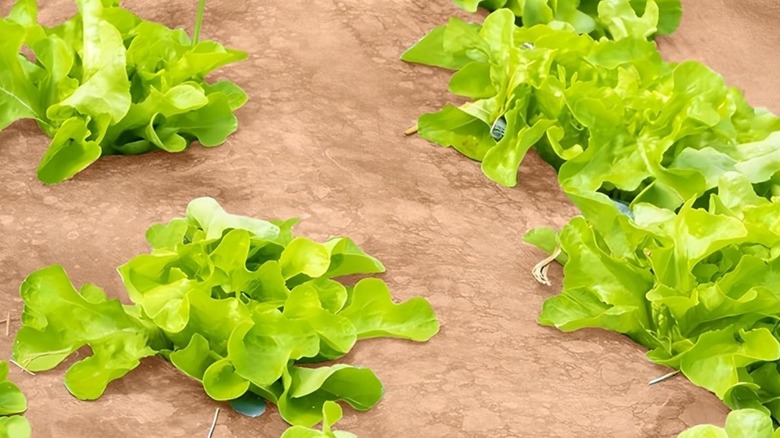 DECOHS/Amazon
 Beyond the fact that jute matting won’t load your soil with plastic or fall apart into frustrating tangles, I love it because it’s so practical. You can use it to keep weeds down in a brand new bed or throw it around established shrubs and perennials before adding a layer of mulch or bark chips. It’s also awesome because it helps keep moisture in the soil below, cutting down on evaporation and water loss. It’s perfect if you’re working on building a drought-resistant garden and want to tackle weeds while boosting water retention.
Here’s the thing about jute—it naturally decomposes, feeding organic matter back into your soil instead of leaving behind plastic junk. This type of densely woven matting usually takes about 18 months to fully break down. By that point, any shrubs and perennials you planted should be settled in enough that they won’t be bothered by weeds. For veggie beds and annuals, you’ll have already harvested them or they’ll have died back. After that, you can stick with mulch or try growing living mulch to handle weeds. One seriously underrated benefit of jute matting is how well it works on slopes. Unlike plastic barriers, jute bends with the soil and lets water pass through, so it actually stops soil from washing or eroding away while still allowing rainfall to drain. Plus, you can plant cover crops right through the matting. They’ll dig in and spread through the jute really quickly. Once the jute has broken down, those stabilizing plants have already put down roots and taken over, handling the job the matting was doing.
How to install jute matting to suppress weeds
 Andrii Anna photographers/Shutterstock
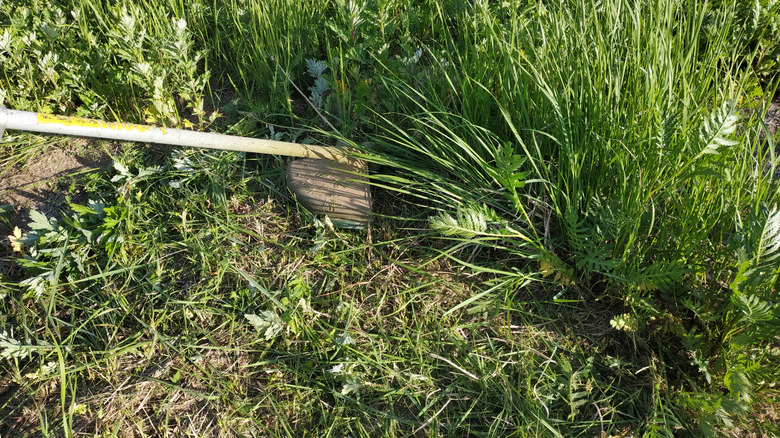
 Putting down jute matting is way simpler and more reliable than dealing with landscape fabric or cardboard. Jute matting is heavier and acts more like actual fabric, so it naturally molds itself to the ground. The weight keeps it from shifting around, so you don’t have to worry as much about getting the bed perfectly level like you would with landscape fabric or cardboard.
I always suggest cutting back any existing weeds as low as you can. Here’s the trick though—don’t pull them out. Just leave them lying on the surface, as long as they don’t have dried seed heads. If it’s just stems and leaves with no seeds, leaving those cut weeds on top gives you an extra barrier for weed suppression. Plus, all that plant stuff breaks down and becomes useful organic matter that’ll help build up your soil. Then just lay the matting over your prepped ground and pin it down with biodegradable landscape pins, like these from GreenStakes, along the edges and anywhere the seams overlap. If you’re overlapping sections, give yourself at least 4 inches of overlap. That way you won’t have any gaps where sneaky weeds can slip through.