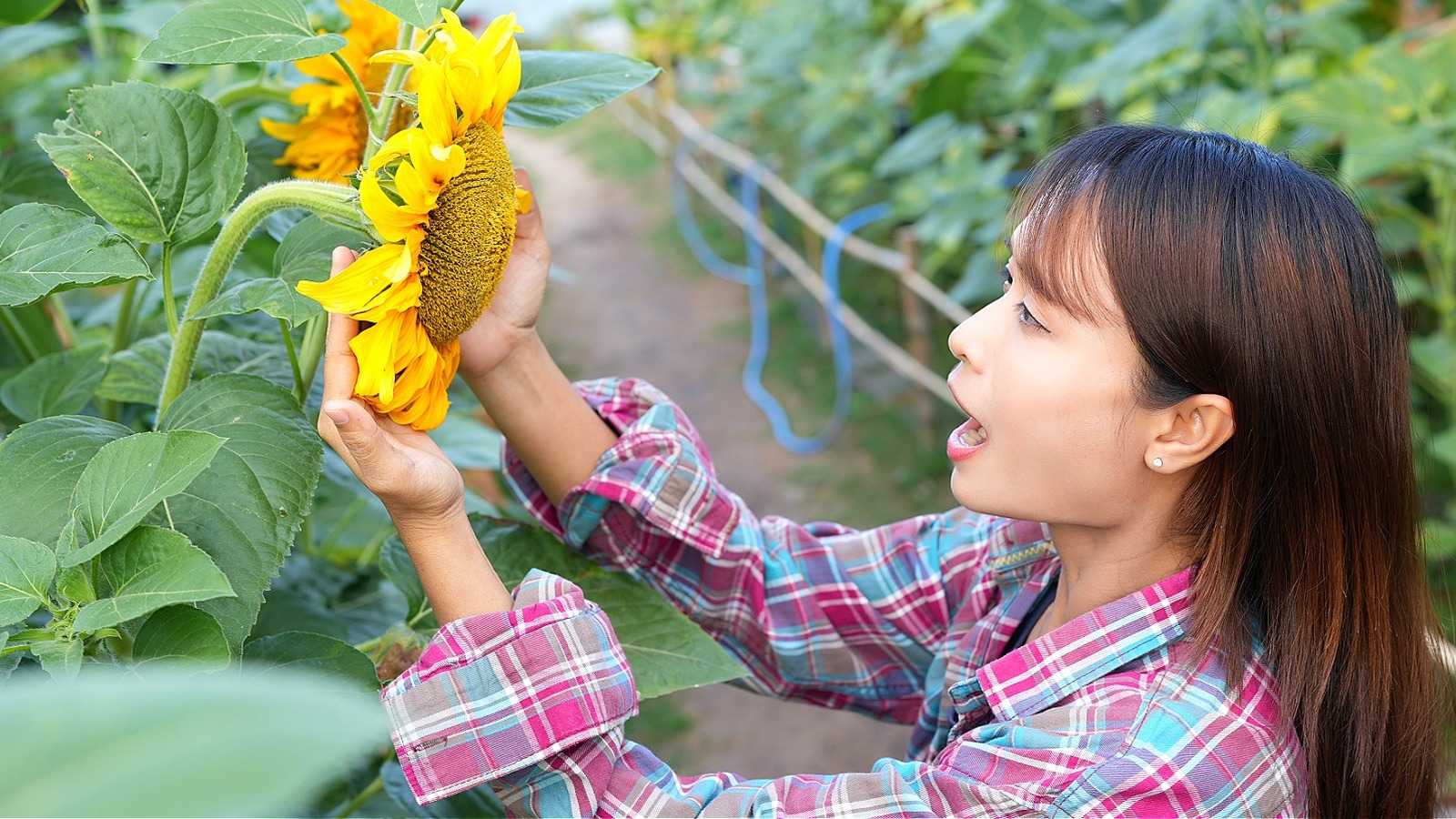
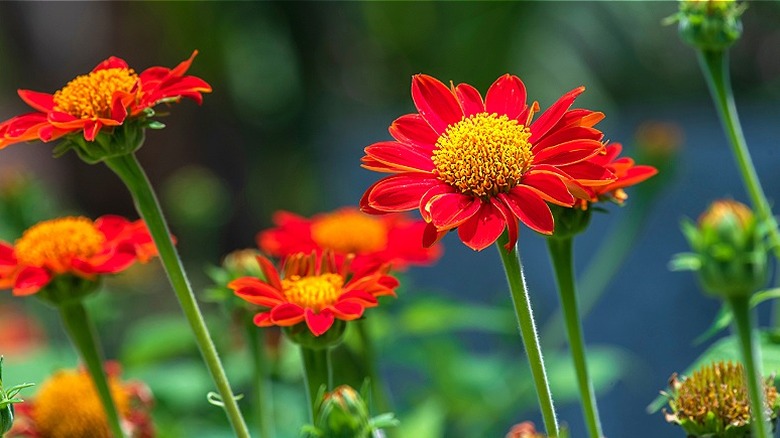
You know sunflowers—those gorgeous bright yellow blooms that follow the sun around. They’re total sun-worshippers and can even handle dry spells pretty well. Most people think sunflowers are always yellow, but here’s a fun fact: there’s actually a red variety out there! Meet the Mexican sunflower (Tithonia rotundifolia). The Mexican sunflower, also called red sunflower or tithonia, is one of those plants that absolutely thrives in scorching temperatures. Just like regular sunflowers, it puts on a show right in the middle of summer when the heat is cranked up, and keeps blooming until the first frost rolls around. These flowers show off gorgeous orange-red petals, and while they’re definitely eye-catching, they’re a bit smaller than your typical sunflower. Where sunflowers can reach a whopping 6 inches across (sometimes even bigger), tithonia blooms max out at around 3 inches wide. But here’s the cool part—Mexican sunflowers can shoot up to 6 feet tall, making them perfect if you want to add some serious height to your garden beds. The best part? You don’t have to pick one or the other. You can grow both sunflowers and Mexican sunflowers together, and both types are absolute butterfly magnets. Chanidapa Burarat/Getty
Grow Mexican sunflowers for heat-tolerant color
 JakkriT SomsuK Krit/Shutterstock
 Ready to plant some Mexican sunflowers? Here’s what you need to know: these guys are annuals and can’t handle cold weather. Whether you’re planting them straight in the ground or starting them indoors, hold off until after your area’s last spring frost. The same timing applies if you’re using red sunflower transplants. You can sync it up with your other spring plantings—once your garden’s frost danger has passed, you’re good to go.
To keep your tithonias happy and thriving, plant them in full sun. They’re not picky about soil either—they’ll do great in well-draining soil like clay, loam, or sand. Since these plants can get up to 6 feet tall, you might want to stake them for support. Even the shorter ones at around 3 feet appreciate a little help staying upright.
These drought-tolerant Mexican sunflowers work beautifully in ornamental borders, butterfly gardens, and rock gardens. Beyond butterflies, they also attract hummingbirds and songbirds. Plus, here’s a bonus: deer typically leave them alone, so you won’t have to worry about hungry deer snacking on your blooms.
Once your flowers start fading, deadhead your tithonias to keep the blooms coming all season long. But when fall rolls around and bloom time really winds down, consider leaving those seed heads standing—the birds will appreciate the snacks over winter.