Every year, the National Garden Bureau selects a few special plants to honor as their “Year of the” winners. For 2026’s edible category, they’ve gone with something really bold – hot peppers! This versatile plant has a whole cult following and even its own spice measurement scale. Plus, there’s still a lot of disagreement on how to spell it, so the National Garden Bureau is calling it the “Year of the Hot Pepper.” Get ready for a year of bold, spicy flavors!
Whether you call them chiles, chilies, or chilis, hot peppers have been a food crop in Central and South America for over 7,000 years. Thank (or blame) Columbus for introducing them to the rest of the world as “red peppers.” Now they come in flavors ranging from mild bell peppers (0 on the Scoville scale) to scorching Pepper X (2.6 million Scoville units)! Their wide variety of flavors and heat levels is why they’re a staple in cuisines all over the globe. Plus, they’re really easy to grow, both outdoors and indoors. Make 2026 the year you start growing your own hot peppers!
How to grow your own hot peppers
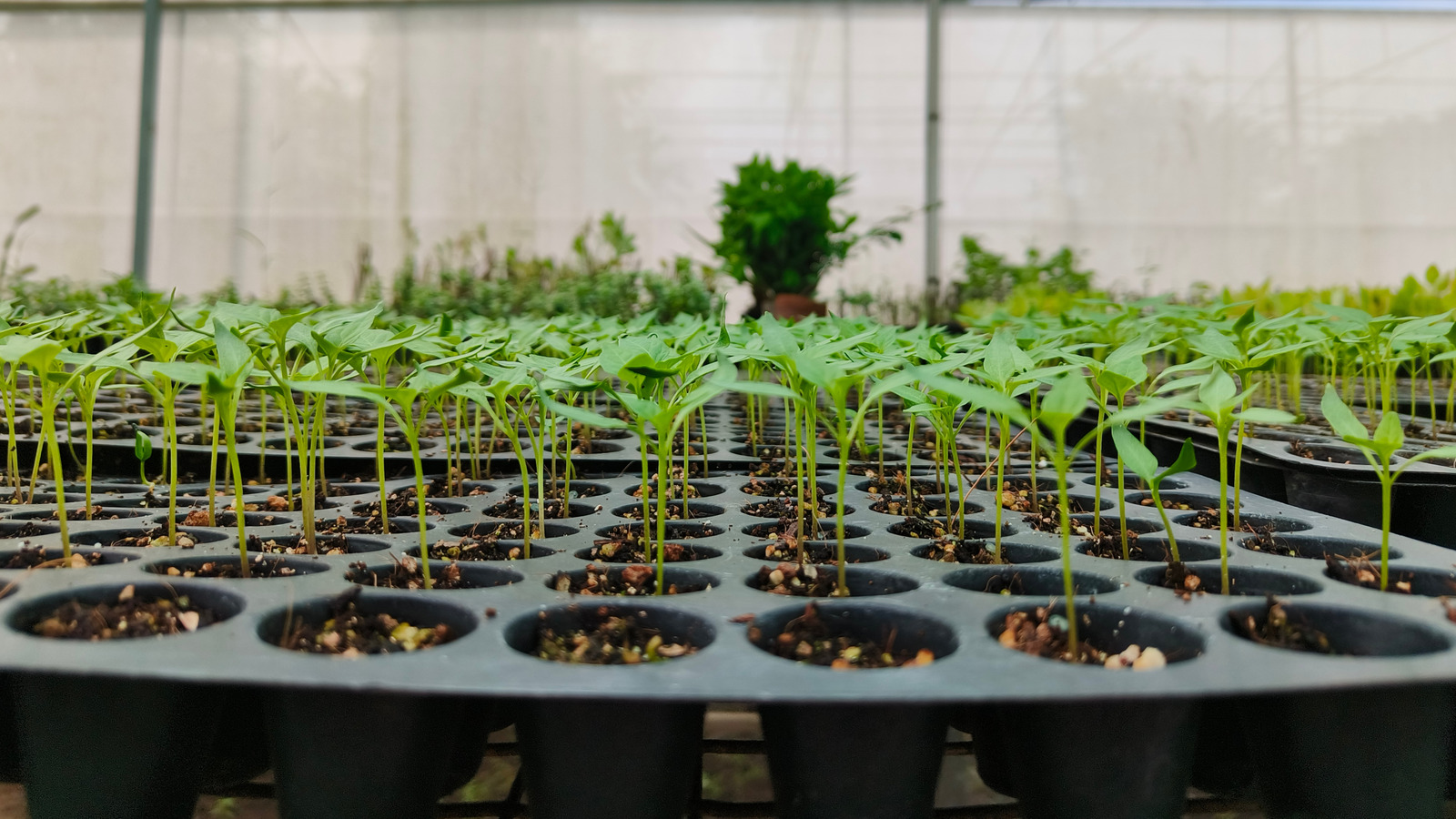
Hot peppers are a tender perennial that can grow in zones 4 through 11. They’ll die if exposed to frost, so they’re often grown as annuals outdoors. But you can also grow them indoors! Most garden centers sell some kind of hot pepper, from generic “cayenne” or “chili peppers” to specific varieties like jalapeños or poblanos. If you’re not sure how much heat you can handle, check out a Scoville scale to see the spice level of different peppers. Buying seeds gives you more variety, but you can also just take the seeds from a pepper you bought at the store.
If you’re growing hot peppers outdoors, whether in containers or in the ground, plant them soon after your last spring frost. Hot peppers can take up to 5 months to fully mature! Make sure to give them plenty of room, as healthy pepper plants can grow 1 to 4 feet tall and 1 to 2 feet wide. Proper spacing also helps prevent fungal diseases.
Grow your peppers in full sun, in rich, moist, well-draining soil that’s a bit on the acidic side. Keep them well-watered, and stake the plants once they start producing fruit so the peppers don’t drag on the ground. You can store your harvested peppers short-term or long-term by drying, freezing, or pickling them. For a nice Southwest touch, try hanging the peppers in bunches in a warm, dry spot that’s easy to grab from when cooking.