
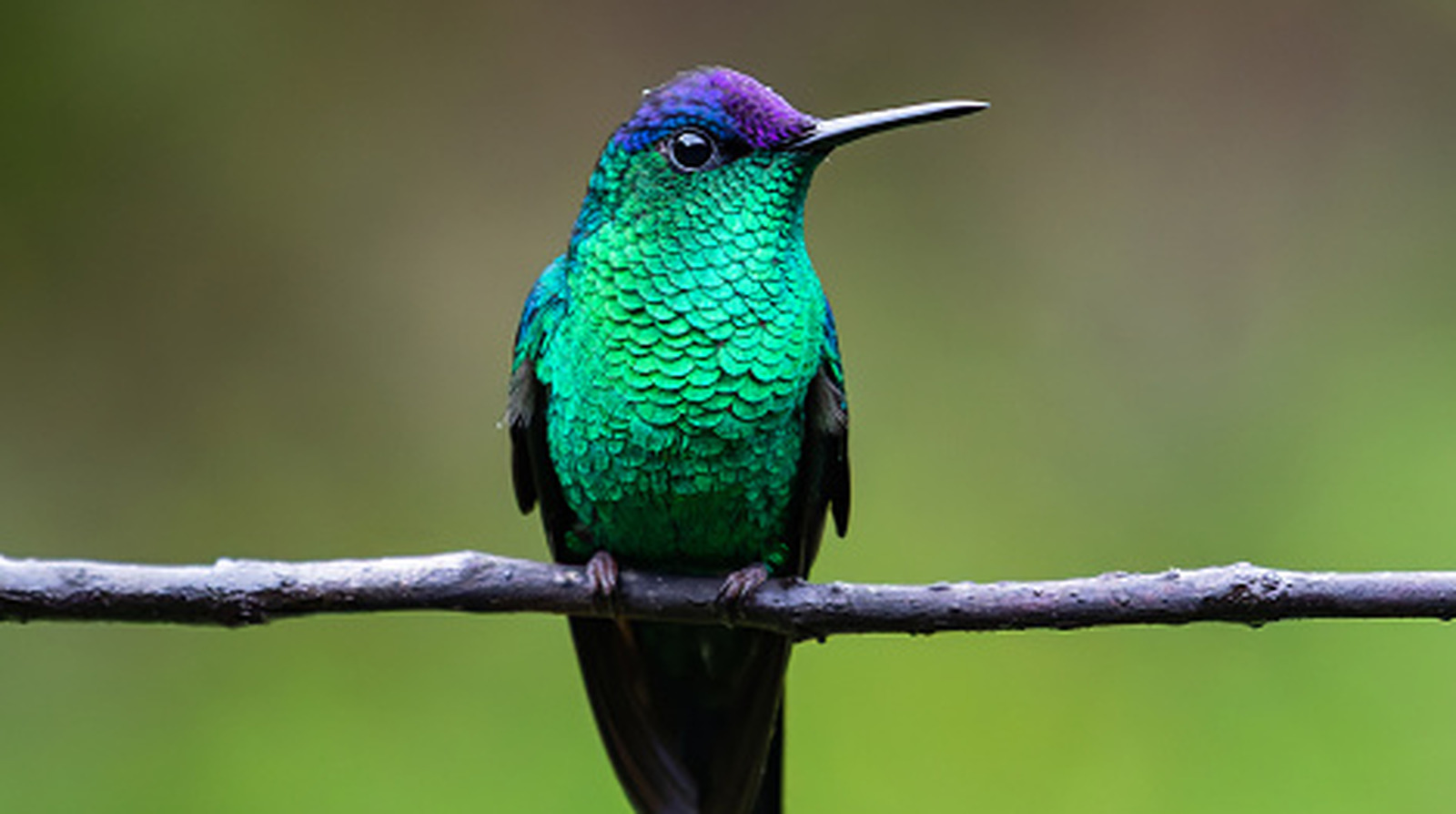
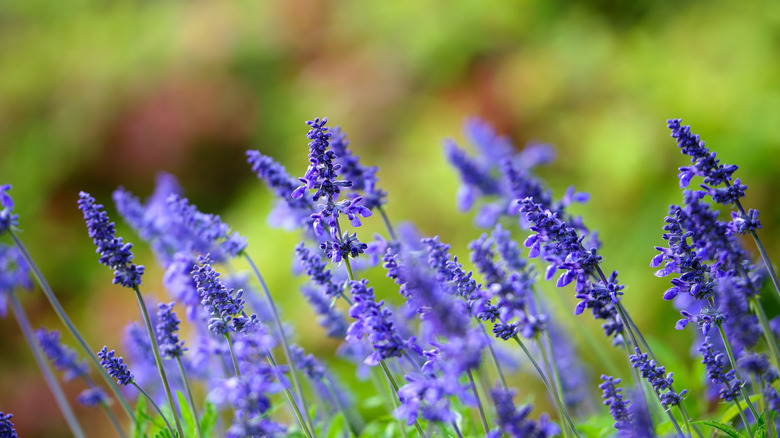
There’s something truly magical about watching those delicate, shimmering hummingbirds flit around from flower to flower. They’re seriously some of the coolest visitors you can have hanging out in your yard. The good news? There are tons of easy ways to get them to stick around. Like any bird you’re hoping to attract, hummingbirds basically want three things: food, water, and a safe place to chill. These little speedsters usually go for bright red or orange native blooms to grab a bite, which is why you see so many red nectar feeders. But here’s the thing — they’ll totally check out cooler-colored flowers too. And it’s not just about the color. Hummingbirds are also drawn to tube-shaped flowers, which is exactly what sage plants bring to the table. Sure, zinnias and lupine get all the hype as hummingbird favorites, but mealy blue sage (Salvia farinacea) deserves way more attention. This is a tough little herbaceous perennial that naturally grows in central United States and northeast Mexico. In USDA Hardiness Zones 8 to 10, it’ll come back year after year, but it can also pull off being an annual in other areas. This plant has a neat clumping look with jagged leaves and tall spikes of tubular purple-blue blooms. It gets to about 1 to 3 feet tall and spreads 1 to 2 feet wide. The best part? Mealy blue sage flowers like crazy from spring all the way to the first frost, so you’ve got loads of time to watch those hummingbirds visit.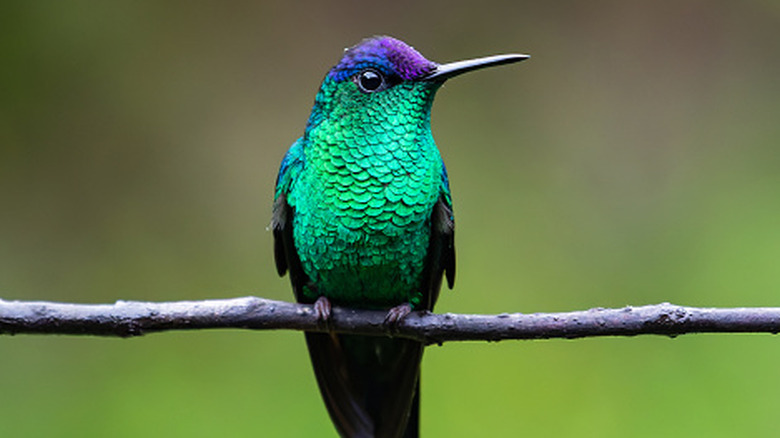 Leoaraujo7/Getty Images
Getting mealy blue sage to grow so it brings in hummingbirds
 Leena Robinson/Shutterstock
 Growing mealy blue sage is honestly a breeze, because this plant is pretty low-maintenance. It doesn’t ask for much to be happy — it can handle drought like a champ, doesn’t mind poor soil, tolerates partial shade, and even puts up with clay-heavy dirt. That said, it really does prefer full sun and soil that drains well. Too much water hanging around will make it weak and leggy.
If you’re starting from seed, kick things off inside about 10 to 12 weeks before your area’s last frost date. Just keep the soil nice and moist while the seeds are sprouting. When your baby plants hit about 4 inches tall and the frost danger has passed, move them outside. Want to skip the seed thing? No problem — grab a starter plant instead. No matter which route you go, space your plants about 12 to 18 inches apart. Once these native beauties get established, they’re basically unstoppable. Perfect if you’re the type of gardener who likes to kick back and enjoy the view without fussing. Just give them a little fertilizer here and there and clean up the dead stuff in spring — this plant will be golden.
Want to really turn your backyard into hummingbird central? Try planting mealy blue sage alongside other flowers that hummingbirds go crazy for. Zinnias, million bells, and lantana are all solid picks that these little birds absolutely love. And don’t forget the extras — throw in a nectar feeder, a water source, and some cozy perches around your space. In no time at all, you’ll have a steady stream of hummingbirds zipping and zooming through your garden!


