

 Willowpix/Getty Images
Living on a fixed retirement income can be tricky, especially as the cost of living keeps going up. But there are some cities where your money can stretch further. We checked out different places across the U.S. to find spots with lower costs, more affordable housing, and other ways for retirees to save.
The national average cost of living was $78,535 in 2024, while retired Americans spend around $61,400 per year. With a set income, retirees have to be smart about where they live to make ends meet. Some cities are way more affordable than others.
We scoped out various American cities with large retirement-age populations, lower costs of living, and different ways residents can save money compared to pricier areas. Here are some of the best places for stretching your retirement income.
Johnstown, Pennsylvania
 Williamsherman/Getty Images
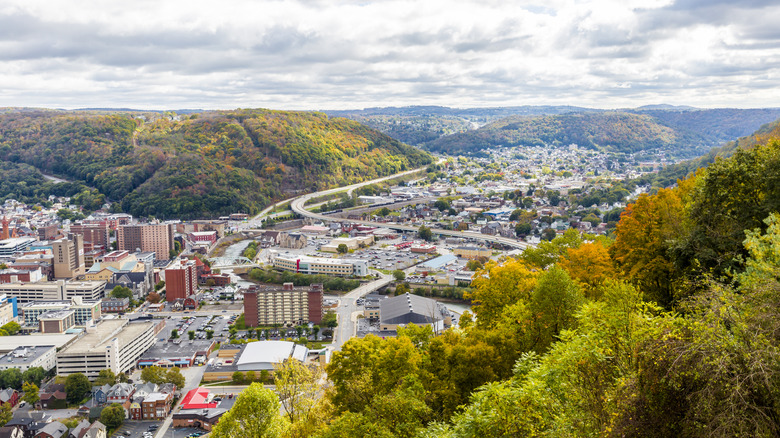
Johnstown is perfect for retirees who want to own a home while spending as little as possible. The median home price is just $86,300 – way cheaper than the $534,000 national average. The overall cost of living is also 20% lower than other Pennsylvania cities.
Monthly expenses like utilities are about 4% less than the national average. And you’ll pay 24.3% less for things like healthcare, groceries, and transportation. With one in five Johnstown residents 65+, it’s a hub for retirees taking advantage of the super affordable living.
Kinston, North Carolina
 Wileydoc/Shutterstock
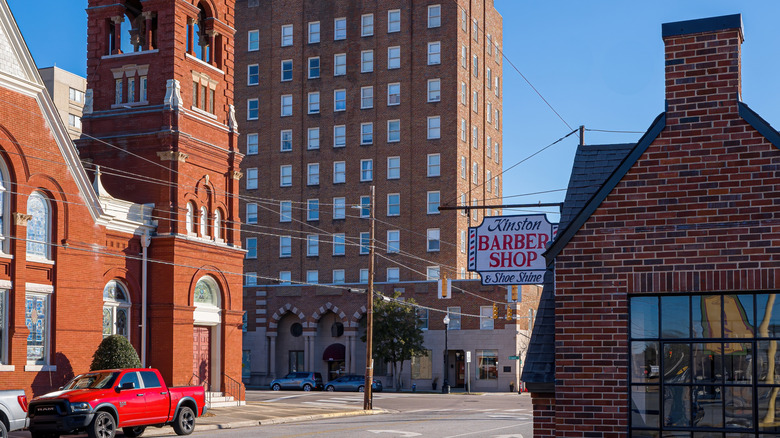
Kinston is a Southern town that’s way cheaper than pricier retirement hubs like Asheville, NC. The cost of living ranges from $2,030 for families to $2,267 for individuals – right in the average retiree’s income range of $33,214.
Housing is incredibly affordable, with a median home price of $97,165 and $890 monthly rent for a 2-bedroom. Other expenses like groceries and utilities are also 7-8% lower than national averages. Kinston has a huge retiree community, with 24.5% of residents 65+.
Tiffin, Ohio
 Keith J Finks/Shutterstock
Tiffin, Ohio stands out as an affordable Midwest city, with a cost of living 28.8% lower than the national average. Monthly living costs range from $2,100 to $2,430, depending on household size.
The big savings come from housing – renters pay $890 on average, and the median home price is $142,000. Utility bills are also notably cheaper, with electricity running 6-14 cents per kWh versus the 17 cent national average.
While Tiffin’s 17.9% retiree population isn’t the highest, the low costs attract plenty of older residents looking to stretch their income.
Weirton, West Virginia
 FabisT/Shutterstock
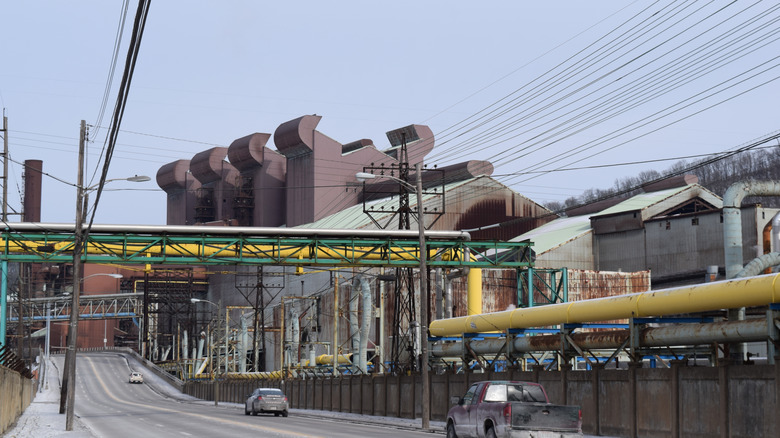
Weirton has an overall cost of living that’s 24.2% lower than the rest of the country. This makes it a great option for retirees living off passive income. Mortgages average $1,002 per month, and rent is just $746 for a median apartment.
The total cost of living ranges from $2,100 to $2,333, depending on household size. And in 2026, West Virginia eliminated state income taxes on Social Security benefits, giving retirees even more spending power.
Hot Springs, Arkansas
 RN Photo Midwest/Shutterstock
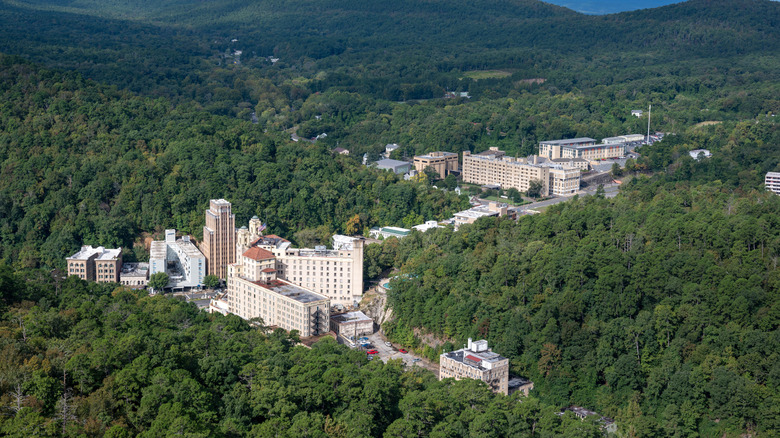
Hot Springs, Arkansas might just be the country’s hidden gem for affordable retirement. Over 60% of the town is 65+, and the cost of living is 7.3% less than the national average.
Groceries and utilities are 8% and 6% cheaper, respectively. The total cost of living is as low as $2,167 per month. Plus, Arkansas doesn’t tax Social Security benefits, and offers a $6,000 annual tax exemption on retirement account withdrawals.
Uniontown, Pennsylvania
 Steve Heap/Shutterstock
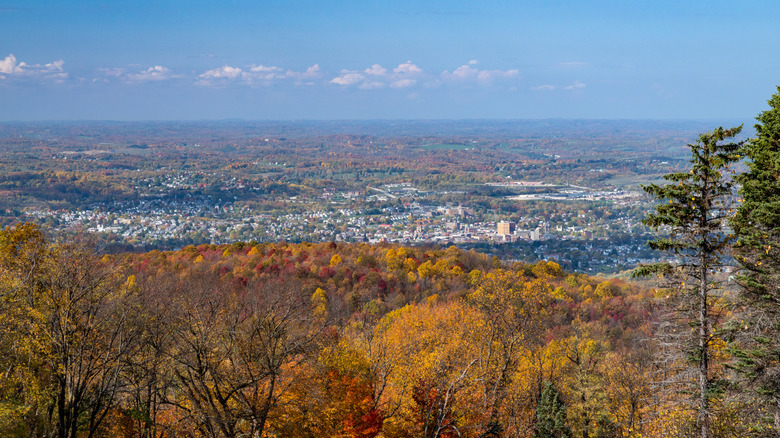
Uniontown, Pennsylvania has some of the lowest living costs in the country – 22.3% below the national average and 17.9% less than the rest of Pennsylvania. About 20.7% of residents are 65+, so it’s a popular retirement spot.
The average cost of living ranges from $2,100 for a family to $2,500 for an individual. Healthcare is 5% cheaper, and groceries are 2% less. While transportation and utilities cost a bit more, the super affordable housing and healthcare make up for it.
Douglas, Arizona
 Denistangneyjr/Getty Images
While Arizona cities like Phoenix and Tucson are popular with retirees, Douglas is a more budget-friendly option. The cost of living is 15.2% below the national average, and 20% less than other Arizona towns.
The median home value is $155,860, and rent averages $772. Plus, you’ll pay 3% less for groceries and 5% less for healthcare compared to the rest of the country. Utilities are the only real downside, costing around 3% more.
Sebring, Florida
 Felixmizioznikov/Getty Images
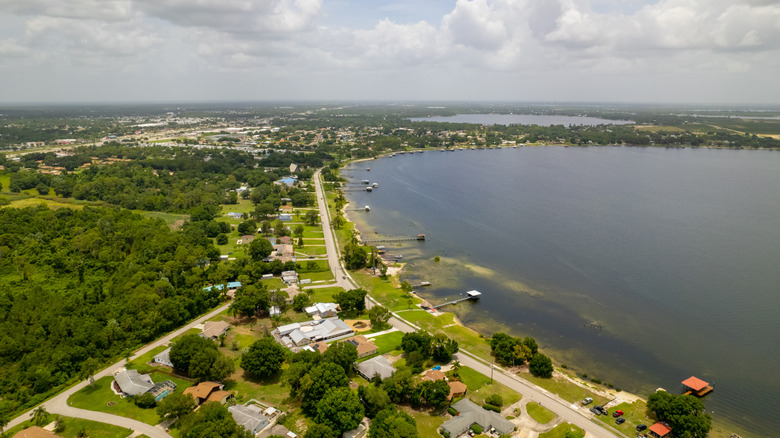
While flashy Florida spots like Miami Beach are pricey, Sebring is a more affordable Southern town. At least 26.4% of the population is 65+, and the cost of living is just $2,300 per month.
Mortgages cost around $1,398 and the median rent is $1,019. Sebring residents also benefit from Florida’s homestead property tax exemption and no state taxes on Social Security. Plus, healthcare is pretty reasonable, with doctor visits around $120.
Homosassa Springs, Florida
 Xianghong Garrison/Getty Images
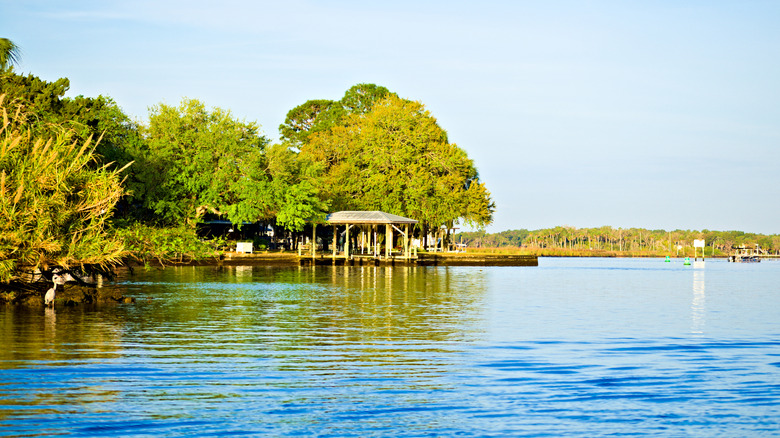
Homosassa Springs is another Florida town that’s much more affordable than big cities like Miami. The cost of living is 12.2% below the national average and 14.8% less than the rest of Florida.
Residents spend over 20% less on healthcare compared to the U.S. overall. And like Sebring, Homosassa Springs has the homestead exemption and no state taxes on Social Security. Around 26% of the population is 65+, making it a popular retirement destination.
Laughlin, Nevada
 George Rose/Getty Images
While Las Vegas is too pricey for many retirees, Laughlin, Nevada offers a more affordable alternative in the state. About 37.5% of the population is 65+, and you’ll need at least $3,000 per month to live comfortably.
Housing costs are 33% less than the national average, and utilities are around 8% cheaper. Plus, healthcare is 17% more affordable than elsewhere in the U.S. Certain other monthly bills may be a bit higher, but the big savings on housing and healthcare make Laughlin a smart choice for retirement.