
Liudmila Chernetska/Getty Images
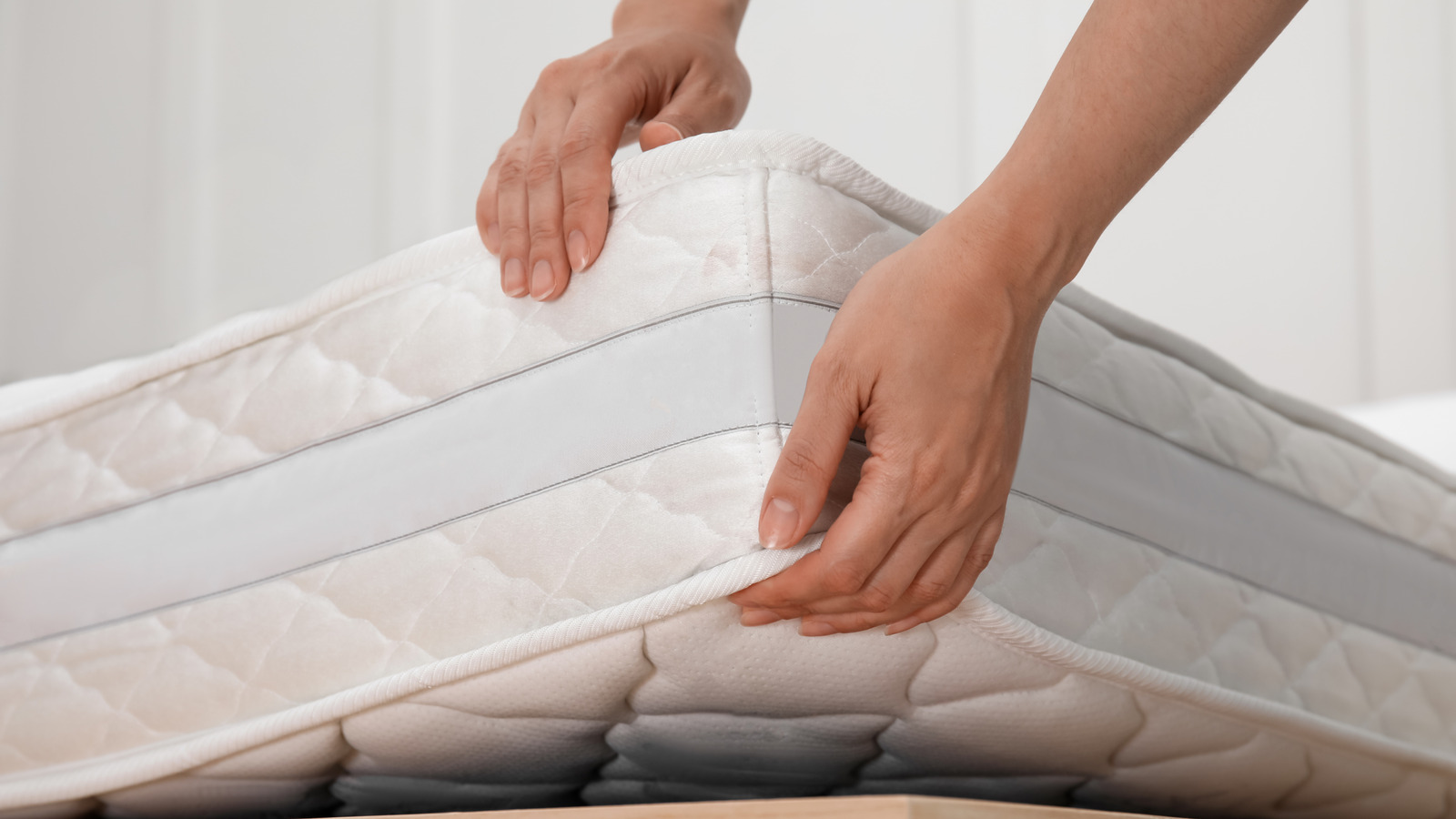
Calling a product “organic” is more than just a trendy label – it’s actually a big deal when it comes to mattresses. After all, we spend a ton of time snoozing on them, so we want to make sure they’re eco-friendly and healthy. Unlike regular mattresses, organic ones are free of sketchy stuff like toxic chemicals, pesticides, and GMOs. They’re made from natural, organic materials like wool, cotton, and latex. Sure, they cost more upfront, but the benefits are pretty darn appealing.
Conventional mattresses can contain all kinds of nasty ingredients – petrochemicals, synthetic adhesives, even flame retardants that could be carcinogenic. Organic mattresses, on the other hand, ditch all that sketchy stuff. They’re much better for air quality too, since they don’t release those harmful volatile organic compounds (VOCs) that can cause irritation and breathing issues.
To make sure a mattress is truly organic, look for certifications like GOTS, GOLS, and GreenGuard. These mean it’s made with at least 95% organic materials and is free of harmful emissions. It’s not just about being green, either – organic mattresses are also more durable, lasting up to 25 years compared to the 7-10 years of a regular mattress. The higher price is worth it for the peace of mind and long-term savings.
Organic mattresses don’t emit toxic VOCs

Only_NewPhoto/Shutterstock
One of the biggest perks of organic mattresses is that they won’t pollute your home’s air with nasty volatile organic compounds (VOCs). Regular mattresses, especially those with polyurethane foam, can release chemicals like toluene and formaldehyde that can cause irritation, headaches, and even make respiratory issues like asthma worse.
Conventional mattresses often use added fragrances and flame retardants too, which can be just as harmful. But organic mattresses are free of all that sketchy stuff. Their natural, sustainable materials don’t release any of those noxious VOCs, so you can breathe easy (literally).
If you deal with allergies or are sensitive to chemicals, switching to an organic mattress can make a huge difference in the air quality you’re exposed to every night. It’s an easy way to create a healthier, cleaner sleeping environment.
Organic mattresses are environment-friendly and more durable (but also more expensive)

Penyushkina/Shutterstock
Organic mattresses are also way better for the environment. Regular mattresses can take decades to decompose when they’re tossed, thanks to all the synthetic chemicals. But organic ones are biodegradable and their components can be recycled. So if you care about sustainability and reducing waste, organic is definitely the way to go.
The downside is that organic mattresses cost a lot more upfront – we’re talking anywhere from $1,000 to $2,000 for a premium model. But the tradeoff is that they’re also much more durable, with some lasting up to 25 years. That’s way longer than the 7-10 years you usually get with a regular mattress. So while the initial cost is higher, you’ll end up saving money in the long run.
For people dealing with allergies, the hypoallergenic nature of organic mattresses also makes them a great choice. And even if you don’t have allergies, the lack of harsh chemicals means you can breathe easier and sleep more soundly. When you consider all the benefits, the extra cost of an organic mattress is definitely worth it.