
23, 2026 6:30 am EST
Jhvephoto/Getty Images
Some folks prefer investing in stable, dividend-paying companies. Publicly traded businesses that offer higher dividends tend to be well-established and able to hold their ground during economic ups and downs. Stocks from consumer staples firms tend to be steady while providing good dividends.
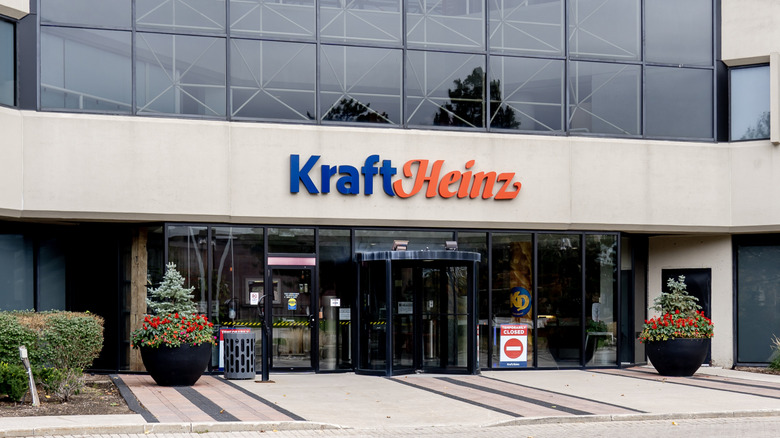
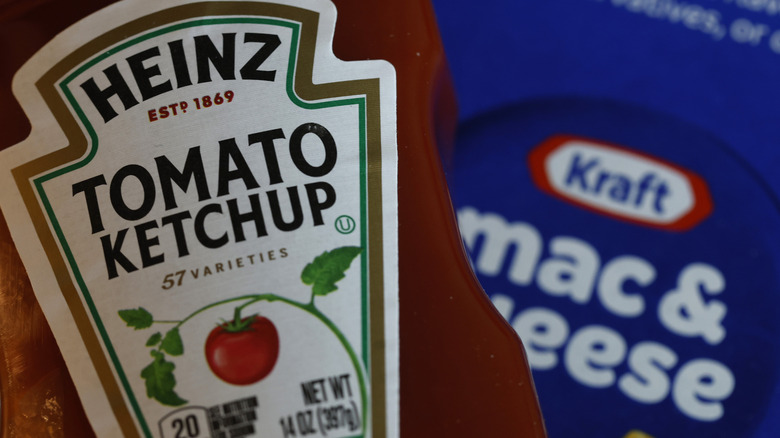
Kraft Heinz (ticker symbol KHC) is one of the 20 biggest U.S.-based consumer staples companies. Based in Pittsburgh, Pennsylvania, the business sells products worldwide. Some of the company’s most famous brands include Kraft, Heinz, Oscar Mayer, Kool-Aid, Velveeta, Jell-O, Philadelphia, and Ore-Ida.
Kraft Heinz’s current market cap is $28.88 billion. That’s impressive, but it’s way down from a decade ago. In early 2016, the company’s market cap was $88.29 billion. It peaked at $112.27 billion in May 2017 before plunging to less than $40 billion just before the pandemic. The stock price dropped too – from $71.38 at the start of 2016 to a peak of $91.77 in early 2017, then all the way down to $23.74 at the start of February 2026. The company also cut its dividend, from $0.575 per share in early 2016 to $0.625 in late 2018, and now it’s just $0.40. Profits have fallen for several reasons, including overly aggressive cost-cutting and losing market share to competitors.
What sparked the late 2010s Kraft Heinz stock price drop
Justin Sullivan/Getty Images
Kraft Heinz was created in a 2015 merger between Kraft Foods Group and H.J. Heinz Co. Berkshire Hathaway and 3G Capital had bought Heinz in 2013, and the merger happened soon after. Normally, copying what Buffett and Berkshire do is a smart move. But mimicking this investment would’ve been a bad idea, given the steep Kraft Heinz stock price plunge.
The goal of the Kraft-Heinz merger was to boost results by cutting costs, expanding product reach, and gaining more leverage with suppliers and retailers. But some analysts think the merged company, pushed by 3G’s decisions, got so obsessed with cost-cutting that it neglected food quality and changing customer preferences. This allowed competitors to grab market share, hurting Kraft Heinz’s profits.
Just as the company was losing steam, it had to report a $12.6 billion Q4 2019 loss and a $15 billion write-off of its Kraft and Oscar Mayer brand values. This spooked investors even more.
Why recent Kraft Heinz decisions are enhancing volatility

Recep-bg/Getty Images
Warren Buffett says the Heinz investment and Kraft merger weren’t among his best moves. He admitted in 2020 that the Kraft merger price was too high, even though the business itself was solid. But Berkshire Hathaway held onto its Kraft Heinz shares, owning around 325 million in 2021 and recently.
Even after Buffett retired at the end of 2025, his influence may still be felt. In September 2025, Kraft Heinz announced plans to split into two companies, hoping to regain momentum and appeal to investors. Soon after, Buffett expressed opposition, believing the split wouldn’t fix the company’s core problems.
Post-Buffett, Berkshire’s new CEO, Greg Abel, said the company plans to sell all its Kraft Heinz shares. With Berkshire owning around 27.5% of KHC, this is big news. Shortly after, Kraft Heinz paused its split plans. It’s unclear if the two announcements are linked, but Abel praised the decision. It also remains uncertain if Berkshire will follow through on selling its KHC stake, creating significant volatility that could further spook investors.