
28, 2026 3:30 pm EST
 Artistic Operations/Getty Images
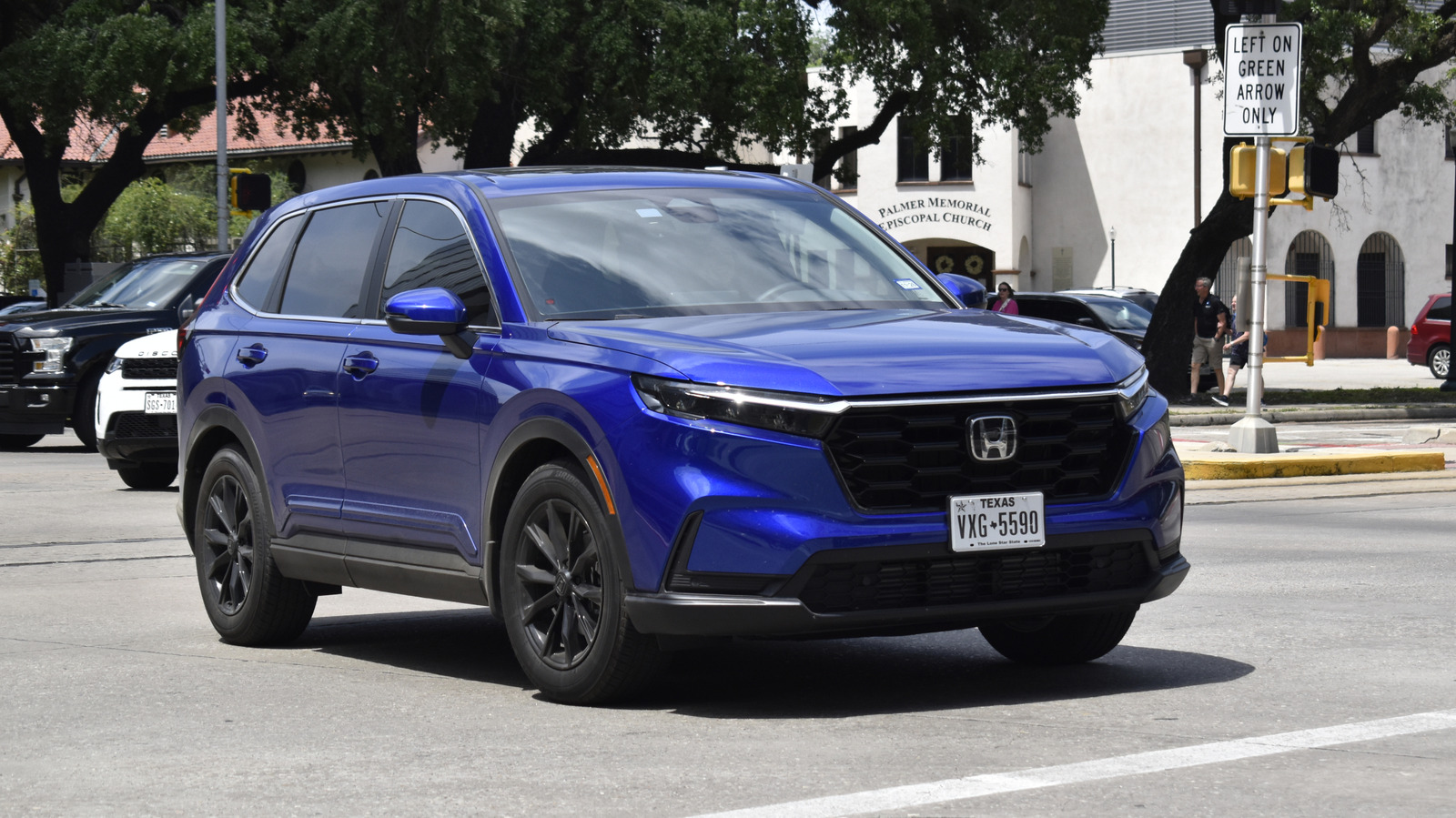
 Buying a car in retirement is a big decision – you don’t want to end up with something you regret. The Honda CR-V seems practical, but it may not be the best fit if comfort, power, and fuel efficiency are your top priorities. You’ve got to weigh the pros and cons carefully before committing all that money.
Even though the CR-V has good resale value and cargo space, it can feel underpowered, especially when loaded up. The ride quality is also on the firmer side, which some retirees may find less comfortable on long drives. Plus, the reliability has been a mixed bag over the years, with certain model years having more issues than others. And while the fuel economy is decent, there are way more efficient options out there if gas savings are your main goal.
Honda CR-V is a known theft target
 Olga Yastremska/Getty
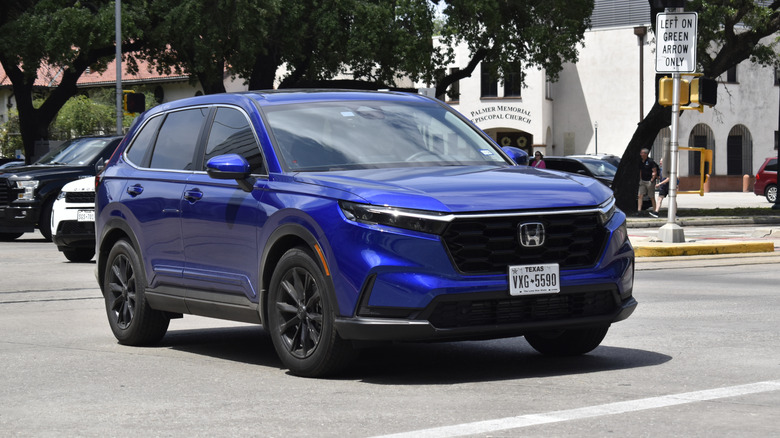
 Having your car stolen is every driver’s worst nightmare, and unfortunately, the CR-V is a prime target for thieves. It’s been one of the most-stolen vehicles in the country for years now. This could mean higher insurance premiums, especially if you live in an area with lots of vehicle crime. Retirees who want to avoid this hassle might want to steer clear of the CR-V.
The older models seem to be particularly attractive to car thieves, which is a bummer since retirees often go for paid-off, older vehicles to save money. Even some newer CR-V trims, like the AWD and 4WD versions, have been flagged as higher-risk. So no matter which year you’re looking at, the CR-V’s popularity with criminals is definitely something to think about.
Low power could put limits on an otherwise active retirement
 Tony Prato/Shutterstock
 The CR-V might look decent on paper with its 190 horsepower, but when the rubber meets the road, that power just doesn’t feel that impressive. Reviewers say the CR-V can feel underpowered, especially when you need to accelerate up hills or merge onto the highway. That could be a big problem if you’re an active retiree who likes to travel or tow things.
With the CR-V, you might struggle if you’ve got a full car of passengers and gear. And forget about anything bigger than a small trailer or boat – the max towing capacity is pretty low. So if an “active retirement” filled with adventuring is your goal, the CR-V might not be up to the task. You may want to look for something with a little more muscle under the hood.
A CR-V is not a good choice if comfort and ride quality are priorities in retirement
 Teddyleung/Getty
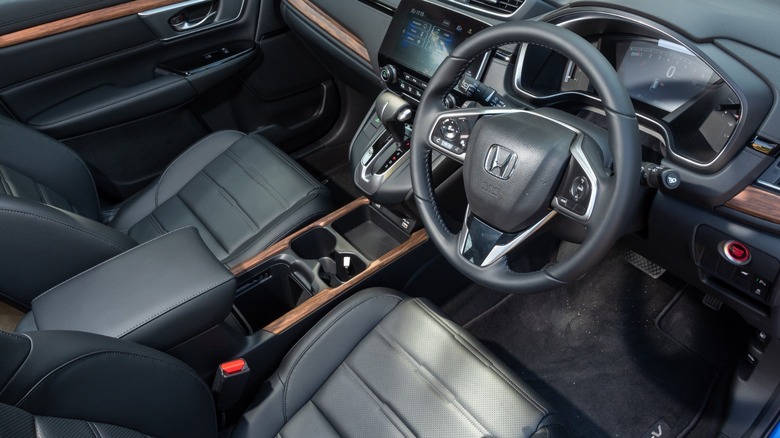
 The CR-V is great for a lot of things, but comfort and plush ride quality aren’t really its strong suits. Multiple reviews mention the firm, not cushy, ride that the CR-V delivers. That might not be ideal if you’re a retiree with achy joints who’s planning lots of long drives.
And the noise factor is another issue – the CR-V, including the hybrid models, can get pretty loud on the highway, with wind and tire noise that could get fatiguing over time. If you were hoping for a nice, quiet, comfy cruiser for your retirement travels, the CR-V might not fit the bill.
Spotty reliability has marred the history of CR-Vs
 Artistic Operations/Shutterstock
 Honda has a reputation for reliability, but when you look at the CR-V’s history, it’s not exactly spotless. Certain model years, like the early 2000s and mid-2010s, have had more than their fair share of issues, from vibration problems to oil dilution issues. There have also been some pretty big safety-related recalls over the years.
As a retiree on a fixed income, the risk of landing a problematic CR-V model year could be extra disruptive. You don’t want to be dealing with constant repairs and headaches when you’re supposed to be enjoying your golden years. The CR-V’s reliability track record is something to seriously consider before signing on the dotted line.
Fuel economy is good but not great
 Colleen Michaels/Shutterstock
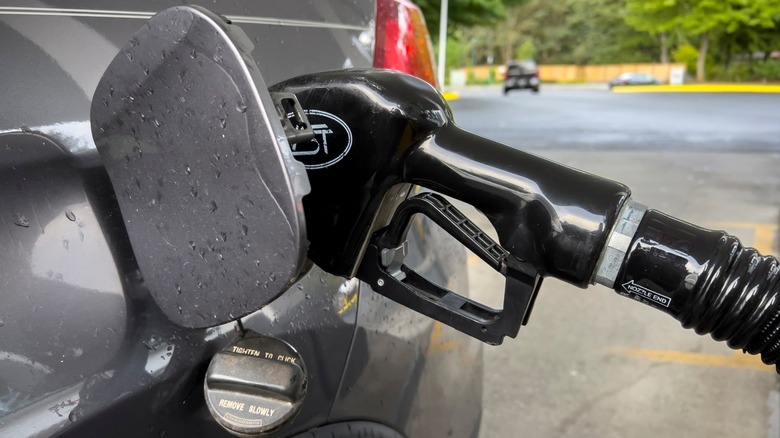
 The CR-V’s fuel economy numbers look decent on paper, but they’re actually not that great compared to some other options out there, especially if fuel savings are your top priority. Compact hybrids like the Prius and Civic Hybrid are getting 10-20 mpg better combined than the CR-V. That can really add up to significant savings at the pump over the long haul.
So if your retirement plans include a lot of driving and you want to minimize your gas spending, you might want to look beyond the CR-V. The hybrid version is better, but it still lags behind true fuel efficiency leaders. For the ultimate in gas savings, a dedicated hybrid or EV might be the way to go.


