

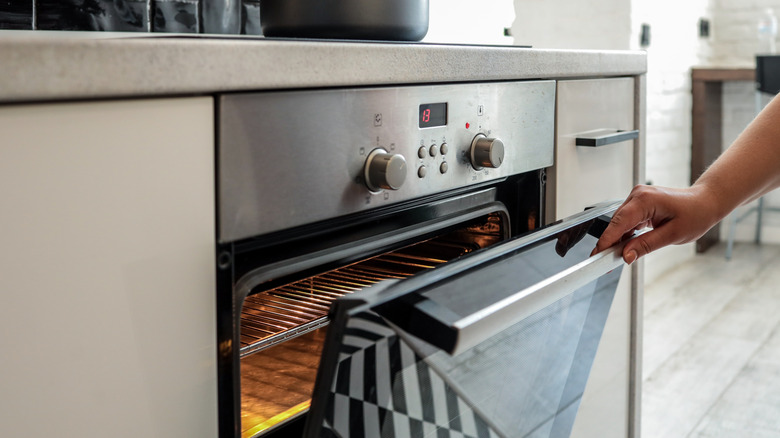
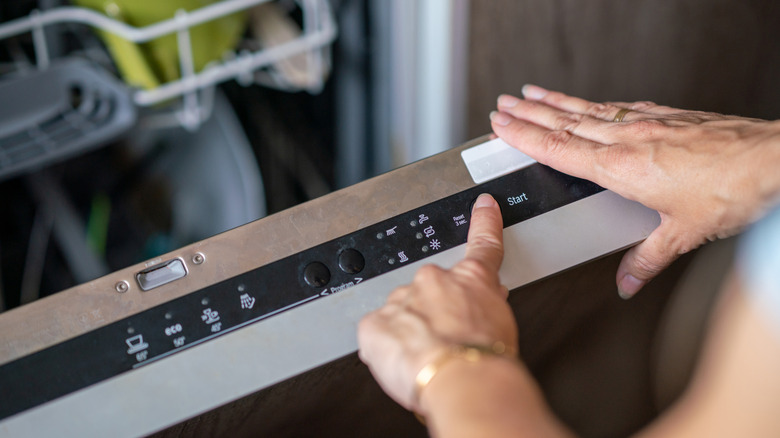
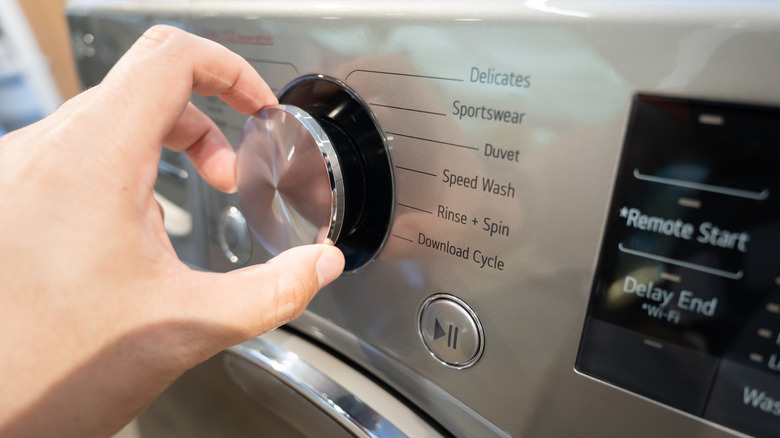
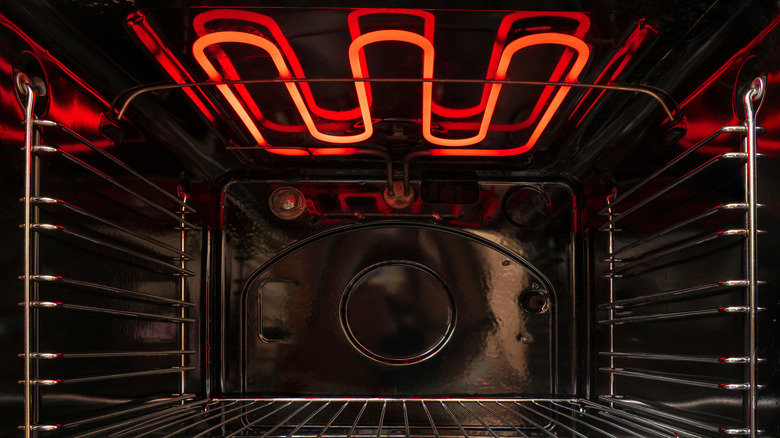
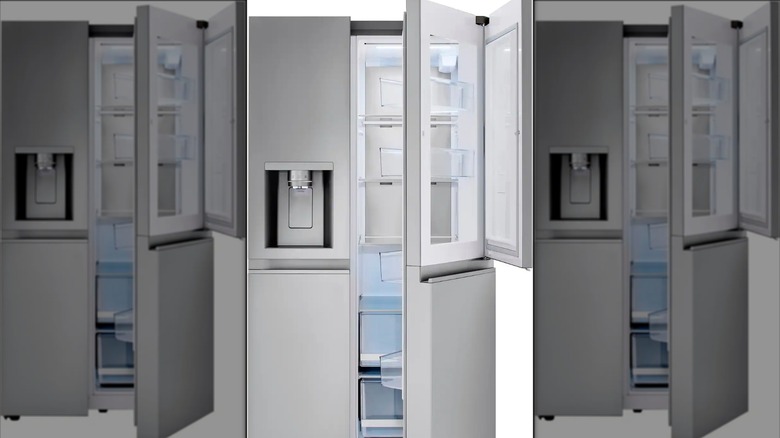
We may receive a commission on purchases made from links. Home appliances are only getting more advanced, but not every new feature is worth the extra cost. From smart fridges to laundry machines with tons of cycles, there are lots of appliance features that most people will never use. Let’s take a look at some appliance add-ons you can probably skip to save some cash. While some of these features make certain appliances more accessible, for the average household, a lot of them are just gimmicks that’ll cost you more without providing much actual benefit. Remote-start appliances can be handy, but an oven is just not one of them. Leaving your uncooked food in the oven all day so you can heat it up later is a recipe for foodborne illness. Plus, preheating to 350°F takes less than 15 minutes — you can easily do that when you get home. The bigger issue is that a remote-start oven is a major fire hazard. You should never leave the oven on when you’re not home to keep an eye on it. If you want a meal that cooks while you’re away, a slow cooker is a much safer bet. Or for faster heating, consider a toaster oven instead of a full-size oven. Most people just stick to the basic “auto” or “normal” cycles on their dishwashers. Those fancy cycles for glassware, fine china, and delicate dishes? Probably not worth the extra cost. As long as you’re not running a restaurant out of your kitchen, your regular dishes will do just fine on a standard cycle. Cycles like prewash and rinse are also unnecessary. Modern dishwashers can handle dirty dishes without a prewash, and rinsing beforehand is a waste of water. Just be sure you clean the dishwasher filter regularly. Dishwasher bottle washers aren’t any more effective than just putting your water bottles on the top rack. Plus, they tend to clog up with food over time, so you’ll have to do extra maintenance. It’s better to save your money and use a bottle-cleaning brush instead. Kitchen “unitaskers” that only serve one purpose are a waste of space. Bottle washers take up a whole shelf in your dishwasher, and you won’t be able to use that space for anything else. The main cycles you’ll actually use on a laundry machine are “normal” and “delicate.” Most of those extra cycles for specific fabrics or load types just aren’t necessary. You can manually adjust the temperature, spin cycle, and wash time if you need to launder a special garment. Basic washers come with around 6 cycles on average, and high-end models can have 12 or more. But you’ll probably only use a handful of them regularly. There are better reasons to invest in a more complex washer, like energy efficiency or larger capacity, than just having a ton of extra cycles. Ovens with built-in cameras are a trendy new feature, but the current AI technology just isn’t advanced enough to make them worth the high price tag. You can already see what’s cooking through the oven window, so the camera isn’t a must-have. Unless you’re a professional chef or food blogger, you’re better off saving your money on a regular oven. Glass fridges let you see all your groceries without opening the door, but the real usefulness is pretty negligible. No matter what type of fridge you have, you’ll still need to open it to get your food. And glass doors are poor insulators, so your fridge may use more energy to keep cold air in. Glass fridges also have less storage space since the door can’t have any shelves. And some people may not want the entire inside of their fridge on display. Unless you really love the look, a regular fridge will probably serve you better. Smart, WiFi-connected appliances aren’t worth the cost or security risks. Most of their features can be handled just as easily from your phone. And those internet-connected access points make it easier for hackers to get into your whole home network. Smart appliances also become outdated quickly, so you could end up having to replace them sooner than a basic model. When the company stops supporting the software, your “smart” appliance becomes useless. Sleek digital displays on appliances may look cool, but they’re actually more likely to break down sooner than simpler manual controls. Touchscreens and built-in tablets provide an extra point of failure, and their software can become outdated. While digital displays are fancier, basic dials and buttons are often more foolproof and easier to use, especially when you’re cooking. You’re better off saving your money and sticking with a more basic, long-lasting appliance. Dryers with moisture sensors are supposed to automatically detect when your clothes are dry and stop the cycle. But many customers find that they often leave clothes a little damp. The sensors can also get inaccurate over time from detergent buildup. It might be simpler to just set a timed dry cycle yourself or use the basic cycles that all dryers have. That way, you don’t have to worry about the sensor failing and leaving you with still-wet laundry. Door-in-door fridges let you access an extra compartment in the door without opening the whole appliance. But the extra storage space is pretty small, and the temperature of the items in the door compartment may not stay as cold as the main part of the fridge. This trendy fridge feature is just not that remarkable, especially considering the higher price tag. You’d be better off spending your money on more useful fridge upgrades, like a water dispenser or humidity-controlled produce drawers.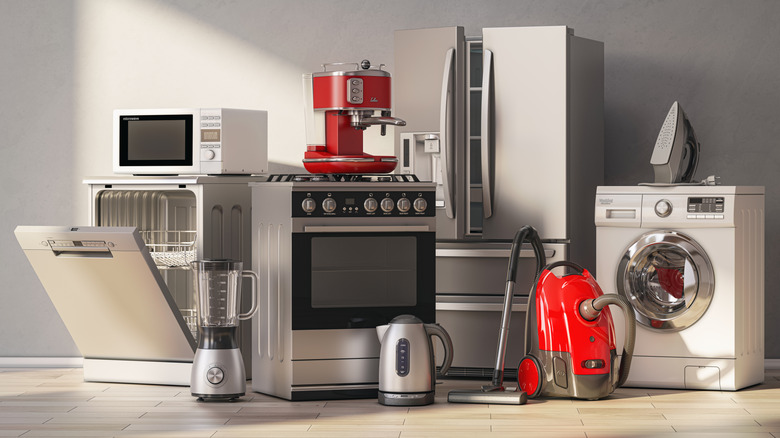 Bet_noire/Getty Images
A remote start oven is a major fire hazard
 Bohdan Bevz/Getty Images
You don’t need those extra dishwasher cycles
 Stockplanets/Getty Images
Don’t waste space on dishwasher bottle washers

You probably won’t use those fancy laundry cycles
 Wongsakorn 2468/Shutterstock
Ovens with cameras may look cool, but they’re not worth the price
 Anatoler/Getty Images
Glass refrigerators may not be a good idea
 Zinkevych/Getty Images
Appliances with WiFi might risk your home security
 Andresr/Getty Images
Digital displays could cause your appliances to stop working earlier
 Adventtr/Getty Images
Dryers with moisture sensors may not be the best investment
 nblx/Shutterstock
Door-in-door refrigerators aren’t worth the money
Related Posts

Simple Kitchen Tricks From Top Chef Bobby Flay
Cindy Ord/Getty Images We may receive a commission on purchases made from links. Looking to…

Scrub Away Stubborn Microwave Stains with Ease
yana_vinnikova/Shutterstock The microwave is a real workhorse, but all that use means it can get…

Rolling Shutters: What Are They And Are They Right For Your House?
Mariana Serdynska/Shutterstock If you’ve ever been around a factory, you’ve probably spotted rolling shutters. They’re…