
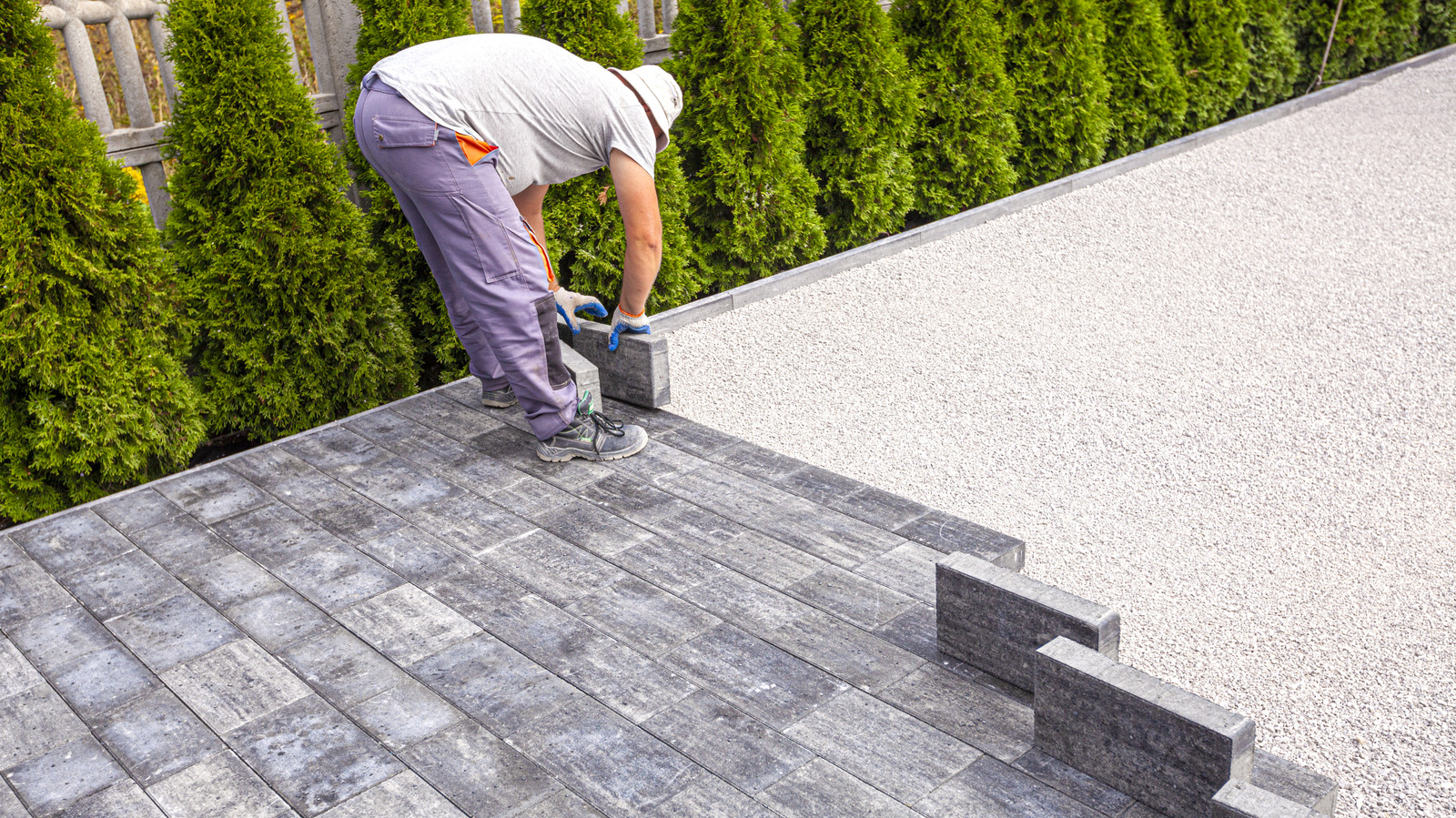
The material you choose for your driveway has a bigger impact than you might think. Permeable options like pervious pavers, gravel, and pervious asphalt or grass pavers let water drain into the earth below. Solid materials like traditional concrete and asphalt don’t allow water to pass through, causing it to run off instead. Permeable driveways are better for the environment and your local area. They help prevent flooding by reducing pressure on storm drains. Plus, water seeping in instead of pooling lowers the risk of dangerous icy patches in winter. Many areas now require or encourage homeowners to choose permeable materials to help manage stormwater runoff.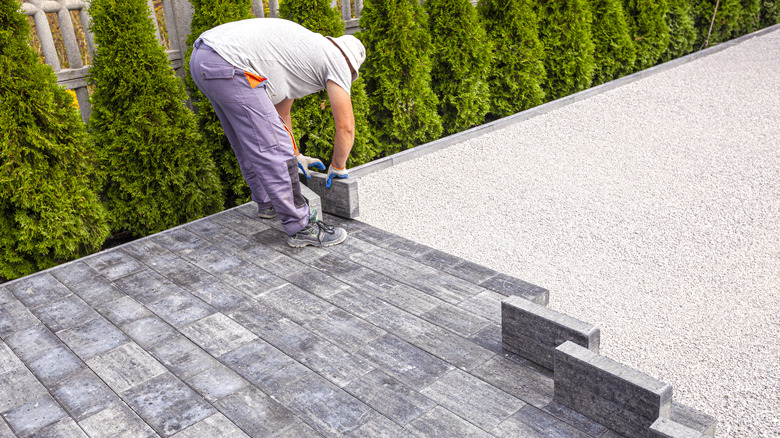 Avalon_studio/Getty Images
Gravel driveways with a compacted stone base (permeable)
 ungvar/Shutterstock
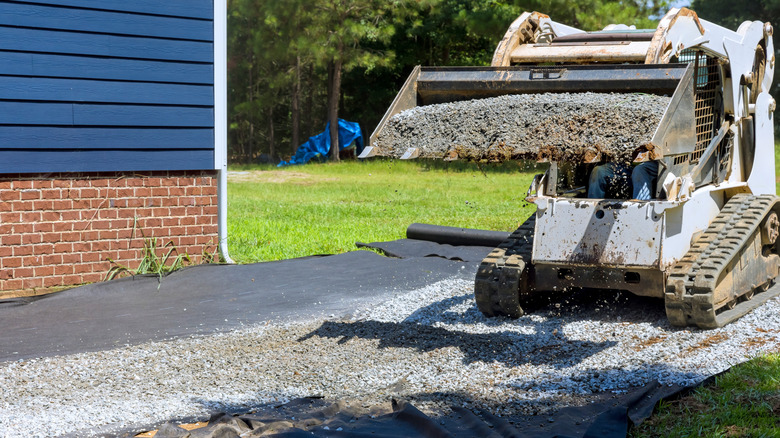
 Gravel driveways with a compacted stone base can be a budget-friendly permeable option. The key is using the right type of gravel and base. The crushed stone base needs to be made of large, angular particles with minimal fines. This allows water to easily soak through. Just be aware that gravel does require occasional raking and topping up, and weeds may pop up.
To make it really permeable, avoid using too much sand or “crusher dust” in the base – that can fill the gaps and seal it off. Adding grids under the gravel can also help keep everything in place and reduce maintenance.
Interlocking concrete pavers (permeable)
 Francesco Scatena/Shutterstock
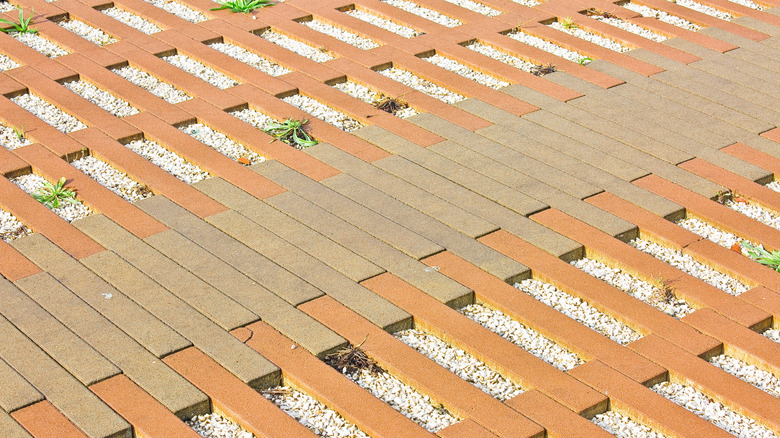
 Permeable pavers have specially shaped blocks with wide joints filled with crushed stone. This creates a permeable system, with the water passing through the joints and gaps into the loose stone base below. When done right, this captures a lot of rainfall on-site and allows it to slowly soak into the ground.
Just be sure to work with an experienced contractor who can get the base depth and grading correct. You’ll also need to lightly clean the pavers now and then to prevent sediment buildup in the joints.
Stabilized decomposed granite over a free-draining base (permeable)
 StepanPopov/Shutterstock
 Decomposed granite or similar crushed stone is spread over a compacted, open-graded aggregate base. A stabilizer like an organic or polymer binder is usually mixed in to reduce dust and ruts. This is semi-permeable, as the top layer still allows a good amount of water to pass through to the free-draining base below.
Just watch out for excess compaction or fine sediment buildup, which can reduce permeability. You’ll need to rake it occasionally to keep it smooth and top it up as needed.
Resin-bound gravel over a permeable base (permeable)
 eyematter/Shutterstock
 Resin-bound gravel has an open, stable base with gravel mixed in resin. This creates a porous, non-shifting surface that still lets water soak through. Just be sure to sweep it occasionally to keep the voids clear and prevent partial clogging.
Unlike loose gravel, resin-bound doesn’t need regular raking or topping up. It provides a contemporary, smooth look without the maintenance hassles of a typical gravel driveway.
Porous asphalt driveway mixes (permeable)
 Bambang T.A/Shutterstock
 Unlike regular asphalt, porous mixes let water through to the open stone base below. This allows the water to soak into the ground instead of running off, reducing puddles and ice. Just be sure to avoid clogging the pores with things like sand for traction or sealants.
A good option is to hire a vacuum sweeper service once a year to lightly clean the surface and keep the pores clear.
Pervious concrete slabs (permeable)
 Simon Kadula/Shutterstock
 Pervious concrete has small channels that let water pass through into the open stone base below. This helps reduce surface runoff and icy patches. Just like porous asphalt, you’ll need to keep the infiltration channels clear of debris to maintain permeability.
Pervious concrete provides a smooth, traction-friendly surface while allowing water to soak in. It’s a great option for meeting stormwater regulations without needing separate retention basins.
Grass or turf block pavers (permeable)
 Papin Lab/Shutterstock
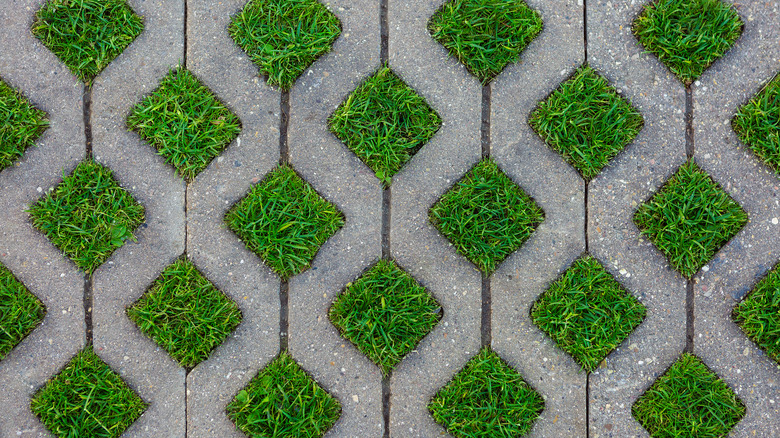
 Grass pavers have open grids filled with soil and grass. This lets water soak in while the grid takes the pressure, preventing rutting. You’ll need to choose a tough grass that can handle some traffic, and be prepared to mow, feed, and reseed it regularly.
Grass pavers are best for lightly used driveways. Avoid parking on the same spot when it’s wet, or you could damage the grass.
Gravel held in cellular grids or reinforcement panels (permeable)
 Paulmaguire/Getty Images
 This uses concrete or plastic grids or panels filled with gravel. The structure takes the pressure so the gravel doesn’t shift, while still allowing water to soak through. It’s a good compromise between the benefits of gravel and the stability of a more solid surface.
Getting the base right is key, so it’s a good idea to work with a contractor on this one. You’ll still need to top up the gravel occasionally and rake it over now and then.
Solid poured concrete driveway slabs (non-permeable)
 Ray Slone/Getty Images
 Solid poured concrete slabs don’t let water through. Rainwater and snowmelt just run straight off, contributing to flooding and pooling issues. You can add drainage features, but the concrete itself is impervious.
<p dir="
Related Posts

Erin Helps Make a House Feel Cozier with a Nice Color
Manny Carabel/Getty Images When it comes to creating a cozy home, you can depend on…

Affordable Finds With Crafty Charm
Microgen/Shutterstock Not only do coasters save your surfaces from spills and stains, but they also…

Hate That Unused Space Above Cabinets? Cover It With Stylish Art
Ela Bracho/Getty Images Kitchens are busy spots in a home, and every corner has its…