
These days, we really have to think carefully about how we heat our homes. It’s not enough to just make sure we won’t freeze in winter. With the push toward electrification and rising energy costs, even the coziest homes have homeowners wondering if there’s a better way to stay warm. That’s where electric wall heaters come in. Choosing the right heating system depends on all kinds of factors. Things like upfront costs and ongoing running expenses are big considerations, especially for budget-conscious buyers. Electric heaters tend to be cheaper to install than other options, but they can also cost more to operate in the long run. On the other hand, electric wall heaters offer some nice perks. Many can connect to smart home systems for remote control. They’re easy to install without a contractor. And they let you zone in on heating specific rooms, rather than the whole house. Plus, they’re 100% energy efficient at the point of use. To help you decide if electric wall heaters are right for your home, we’ve rounded up 15 key pros and cons to consider, covering everything from costs and installation to versatility and efficiency. Nikitina Marya/Shutterstock
15 Ups and Downs of Adding an Electric Wall Heater

Electric heaters come with lower upfront costs
 brizmaker/Shutterstock
 Electric heaters are way cheaper upfront than other heating options like furnaces, heat pumps, and gas boilers. You don’t have to buy and install radiators either, since the heating tech is built right into the electric units. That makes them really attractive if you’re on a tight budget and just need a quick heating solution.
The downside is that electric heating can cost more over time compared to systems like heat pumps and gas boilers. But if you’re in a short-term situation and need an affordable fix, electric heaters might be your best bet.
Electric wall heaters can be easily installed without hiring a contractor
 Nikitina Marya/Shutterstock
 Unless you’re a pro, you really shouldn’t try to install your own central heating system. There’s just too much that can go wrong, and so many details you need to get right. It’s a big, complex job, especially for a whole house.
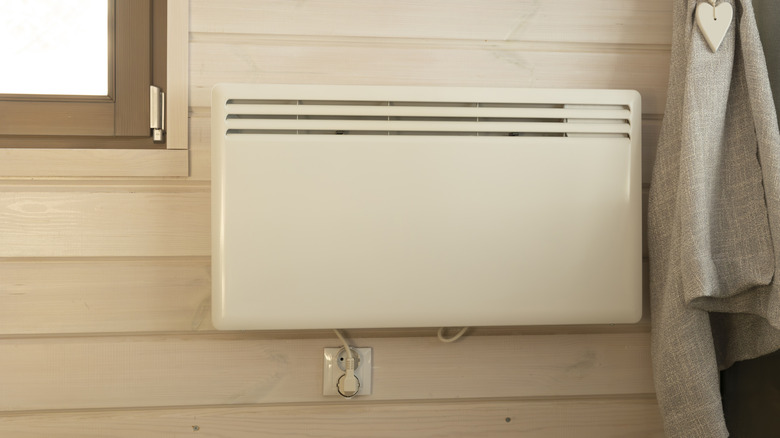
But with electric heaters, all you usually need is a screwdriver and some basic DIY skills. In most cases, they’re “plug and play” – you just mount them on the wall near an outlet and you’re good to go. That makes electric heaters a super DIY-friendly option, especially if you’re on a tight budget.
Electric heaters are 100% energy efficient at the point of use
 Paulmaguire/Getty Images
 This means that every bit of energy an electric heater uses gets converted into heat. There are no energy losses to things like exhaust gases or fumes. This makes electric heaters super predictable and efficient in any weather.
The downside is that electric heating is only truly “green” if your utility provider uses clean energy sources like wind, solar, or nuclear power. If the electricity comes from fossil fuels, then your eco-friendly claims might ring a bit hollow.
Electric wall heaters can be isolated to heat just one or two rooms
 Andrew Angelov/Shutterstock
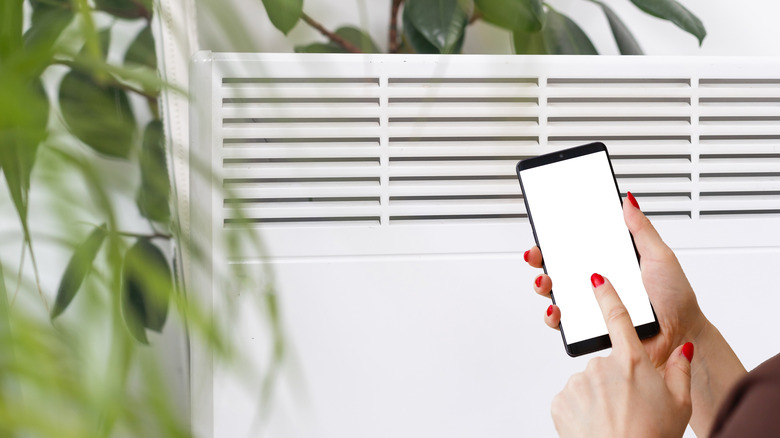
 This is a big advantage over central heating systems. You can just turn on the electric heaters in the specific rooms you’re using, rather than having to heat the whole house. It’s perfect if you have a guest room or home office that goes unused for stretches.
Zonal heating like this also means you can quickly warm up a chilly room without having to fire up the whole system. It’s great for new parents who need to keep a nursery toasty at all times.
Wall-mounted electric radiators can help you save space
 Bakibg/Getty Images
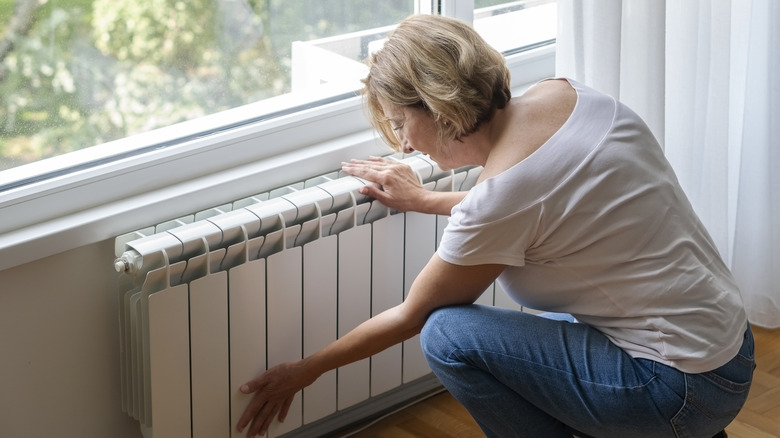
 Electric wall heaters are just that – mounted on the wall. This saves tons of space compared to freestanding heaters. It makes them perfect for smaller homes like apartments and condos. You also don’t need to find room for a big old boiler or an outdoor oil/gas tank.
Heat pumps can take up a lot of space too, both inside and out. And they just don’t blend in as seamlessly as wall-mounted electric radiators. So if you’re short on square footage, electric heating is a much more space-efficient option.
Electric wall heaters come with very few maintenance requirements
 Pixinoo/Getty Images
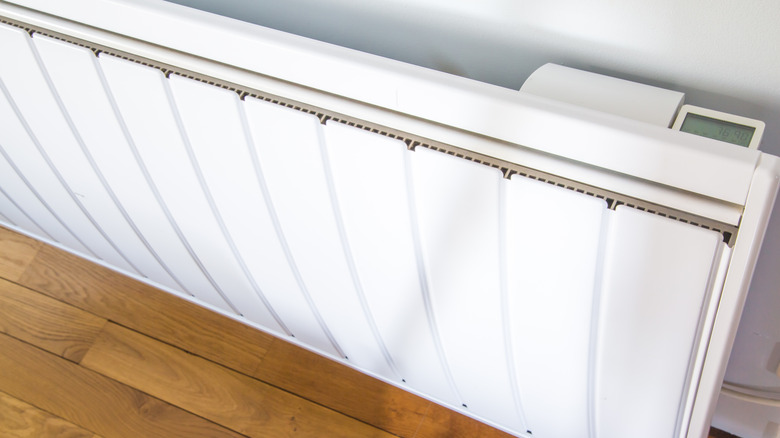
 With electric heaters, what you see is what you get. No hidden pipes, no complicated boilers or pumps to worry about maintaining. They have no burners, filters, or moving parts, so the risk of breakdowns is super low.
Boilers and heat pumps, on the other hand, require regular servicing and things like bleeding the system to remove air. Maintaining electric radiators is just so much easier and cheaper.
Sound disturbance is minimal from wall-mounted electric heaters
 Vlajko611/Getty Images
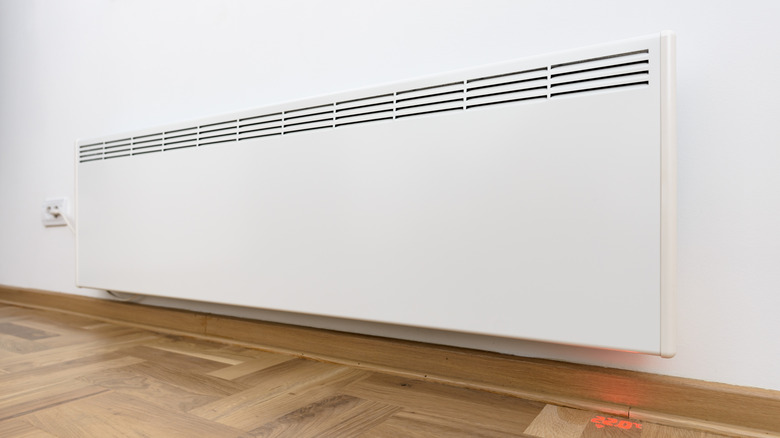
 Clanking pipes are one of the worst noises in homes with traditional water-based heating. But electric heaters operate silently, with no fans or blowers. They’re super quiet, making them perfect for bedrooms and nurseries where noise can be an issue.
Even outside the home, electric heating is much quieter than a heat pump. Those can create a constant low-level hum that can get annoying, especially if they’re placed right under your bedroom window.
Smart heaters make heating your home easier and more efficient
 Karlosvbrito7/Getty Images
 If smart home tech is your thing, then electric heating is a natural fit. Sure, you might have to spend a little more on “smart” heaters versus standard models. But it’s worth it to make heating your home way easier.
With smart electric heaters, you can control and automate the times they turn on and off, even remotely. You can heat specific rooms at specific times, like warming up the bathroom before you get up and keeping the living room cozy in the evenings. It’s way more efficient than just having one thermostat for the whole house.
Electric heaters are also generally more efficient at maintaining even temperatures than central heating. Each unit has its own thermostat, so they only turn on when the immediate area needs it.
Electric radiators require no water or pipework

Related Posts

Dealing with a Flooded Backyard? Here’s How to Fix It
Kokhan O/Shutterstock Uh oh, looks like your backyard’s turning into a little water park after…

Bring Back the ’80s Vibe to Your Kitchen with a Retro Lighting Trend
Ipggutenbergukltd/Getty Images When you think of a retro kitchen, you might picture colorful bubble-shaped appliances…

Lyndsay Lamb’s Cheap Way to Give Bathrooms a New Look
Having a boring bathroom can be frustrating, but a full renovation isn’t always the answer.…