
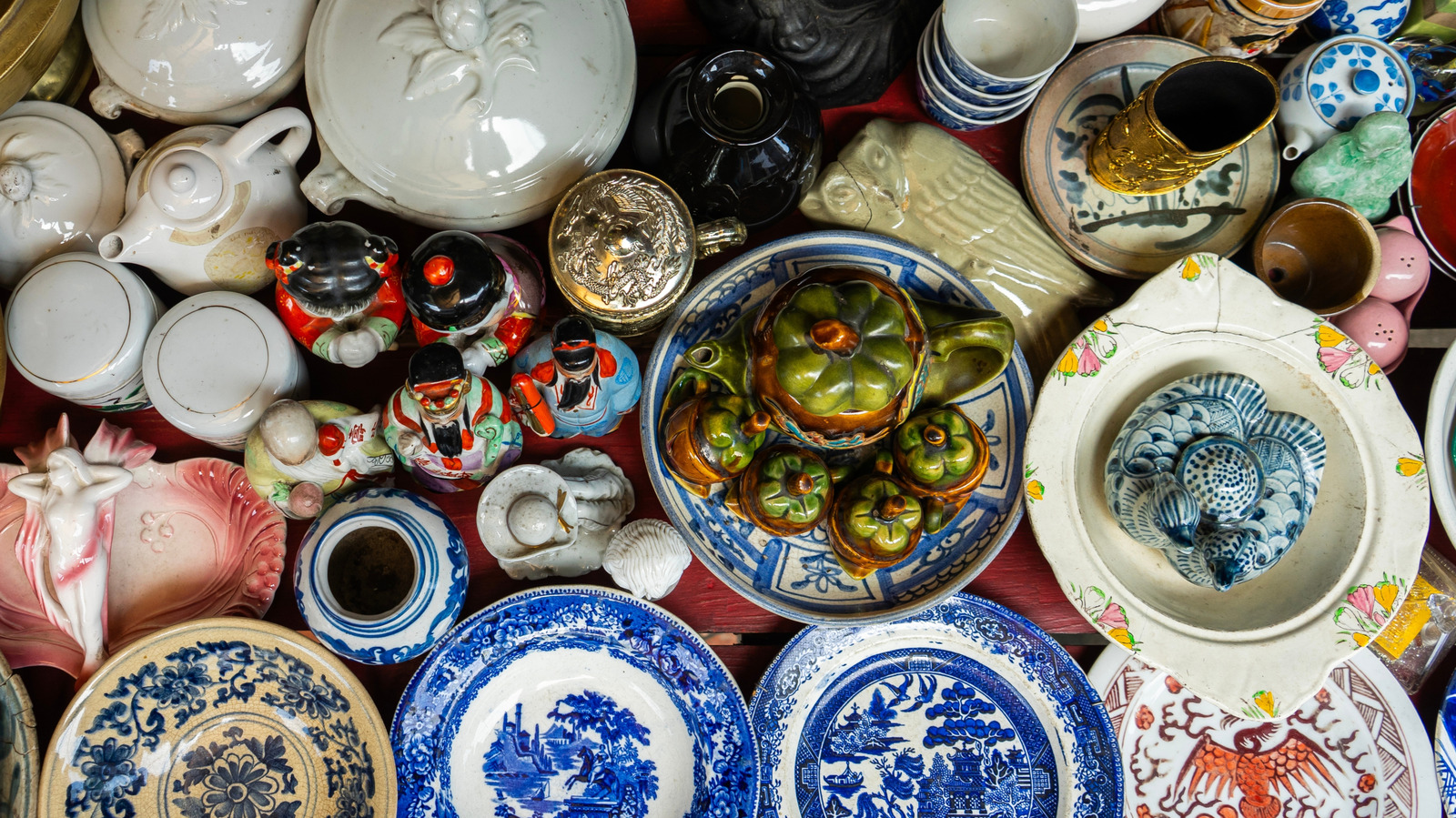
Knowing what to look out for when thrifting is almost like an art form. When it comes to vintage pottery, little details like air bubbles, clay weight, or a maker’s mark can make the difference between a $5 find and a $500 treasure. With a few tricks up your sleeve and knowing what to spot, you might just turn that simple clay pot into something really valuable. Finding a wavy black line on a hand-glazed piece could mean you’ve found a prized McCarty pottery item. Spotting a drip-glaze raku vase from the ’80s? That might be a Tony Evans piece worth hundreds. There are tons of hidden gems out there, and you don’t need a fine arts degree to find them. Of course, knowing where to start can be tricky. Google image search can help, but it’s not always reliable on its own. That’s why it’s good to have a few skills to back it up and really be sure you’re spotting the real deal. Things like identifying vintage markings, recognizing different clay types, understanding design and color trends, and knowing the signs of handmade versus mass-produced – that’s the kind of knowledge that can turn a thrift store trip into a true treasure hunt. Sony Herdiana/Shutterstock
Markings
 Richard T. Nowitz/Getty Images
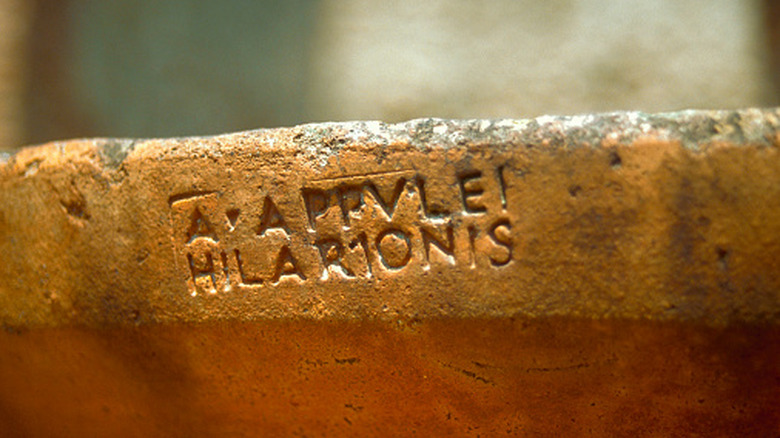
The maker’s mark is a pretty straightforward way to identify pottery. The tricky part is that there are just so many of them out there. I mean, pottery’s been around for thousands of years, and vintage pieces were made by countless artists and companies. Markings can be signatures, logos, dates, countries of origin – all kinds of stuff. Well-known brands are usually easy to spot, but lesser-known marks will take a little digging using databases like .
Clay type
 wisely/Shutterstock
Vintage pottery is usually made from one of three main clay types: earthenware, stoneware, or porcelain. Earthenware is the original low-fire clay, often associated with terracotta. Stoneware is fired hotter and is more durable, so it’s common for dinnerware. And porcelain, which is made from kaolin and fired at super high temps, is known for being bright white and lightweight. Knowing how to spot the differences in these clay types can be really helpful.
Design
 Heritage Images/Getty Images
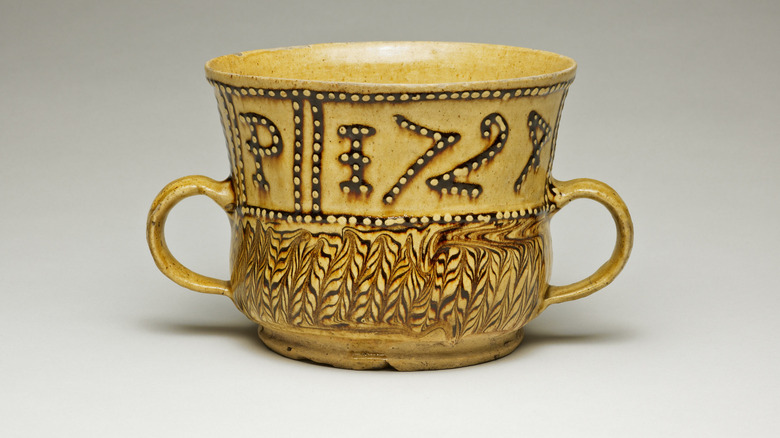
When you look at the design, pay attention to how it was applied. Is it transferware, hand-painted, or done with slip-trailing? Modern transferware tends to look perfect, but vintage pieces will have little imperfections. Hand-painted pieces will show variations in the color and brush strokes. And with slip-trailing, you’ll feel the raised texture of the glaze. An unglazed base is another sign of an older piece.
Color and style
 pyt.interior/Shutterstock
Color and style can be great clues about when a piece was made. Art Deco pottery had those bold, geometric shapes and colors. Midcentury modern was all about earthy tones and organic textures. And Majolica pottery from the Victorian era was known for its bright hues and revival of ancient styles. Learning which design trends were popular in different eras can help you narrow down a piece’s age.
Shape and size
 Stocknshares/Getty Images
Just like color and style, the shapes and sizes of vintage pottery had their own distinct trends. Art Deco pieces had those sharp, geometric forms. Arts and Crafts pottery tended to have more traditional vase shapes. And Art Nouveau had those flowing, symmetrical styles with natural elements. Pay attention to the overall silhouette and proportions – that can be a dead giveaway of the era.
Origin
 Dylanhatfield.com/Shutterstock
Where a piece was made can reveal a lot – the popular clay used in that region, the styles and techniques of local potters, and the age based on import markings. After 1890, pieces had to list their country of origin, then just the country name after 1891, and “Made in…” after 1914. Knowing those rules can help date a find.
Signs of age
 Kathy Clark/Shutterstock
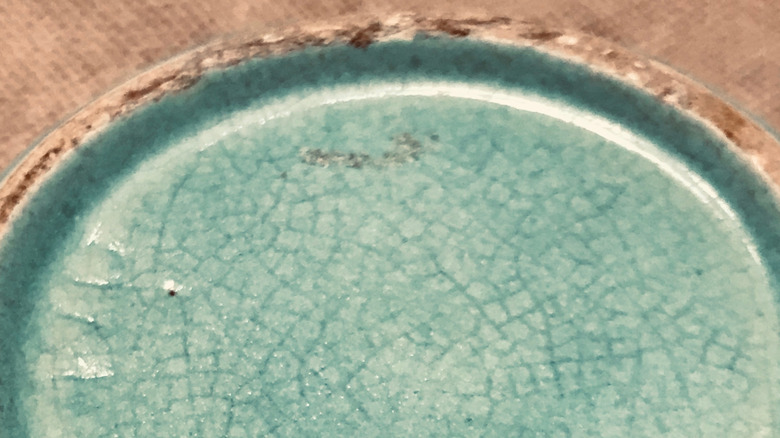
One of the biggest giveaways for vintage or antique pottery is signs of aging that are tough to fake. Look for things like crazing (cracks in the glaze), wear and patina on the base, and natural discoloration. These little clues can really reveal the true age of a piece.
Weight
 Anna Hoychuk/Shutterstock
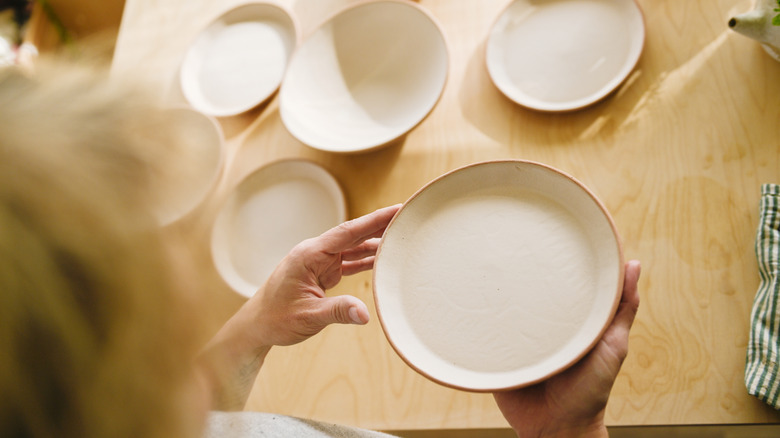
As a general rule, vintage pottery tends to be heavier than modern mass-produced stuff. When it’s hand-thrown, the thickness of the clay can vary. But modern pieces made through slip casting often feel pretty lightweight and almost hollow. So if a piece has some real heft to it, that’s a good sign it could be the real vintage deal.
Manufacturing versus handcrafted qualities
 sigoese/Shutterstock
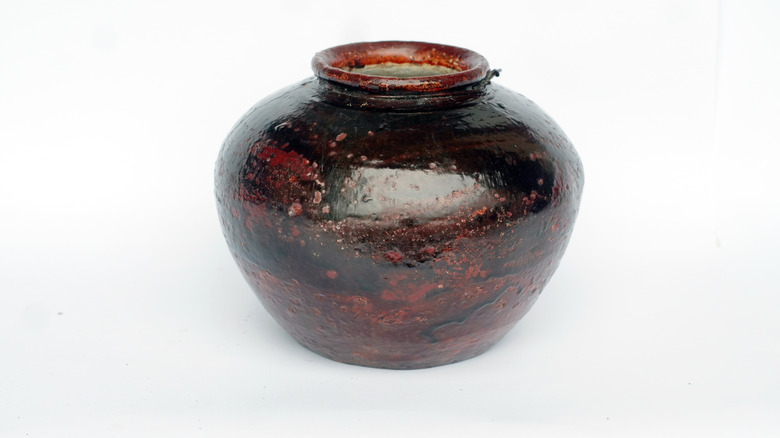
There are usually telltale signs if a piece was mass-produced versus handmade. Seam marks down the center mean it was slip cast, and imperfect sanding probably means it’s low-quality. Handmade pieces will show those throwing rings from the potter’s fingers. And if it looks way too perfect, it’s likely machine-made. Vintage handcrafted pottery will have those little imperfections that give it character.
Total aesthetic (the soul)
<div class="slide-key image-holder gallery-image-holder credit-image-wrap" data-post-url="https