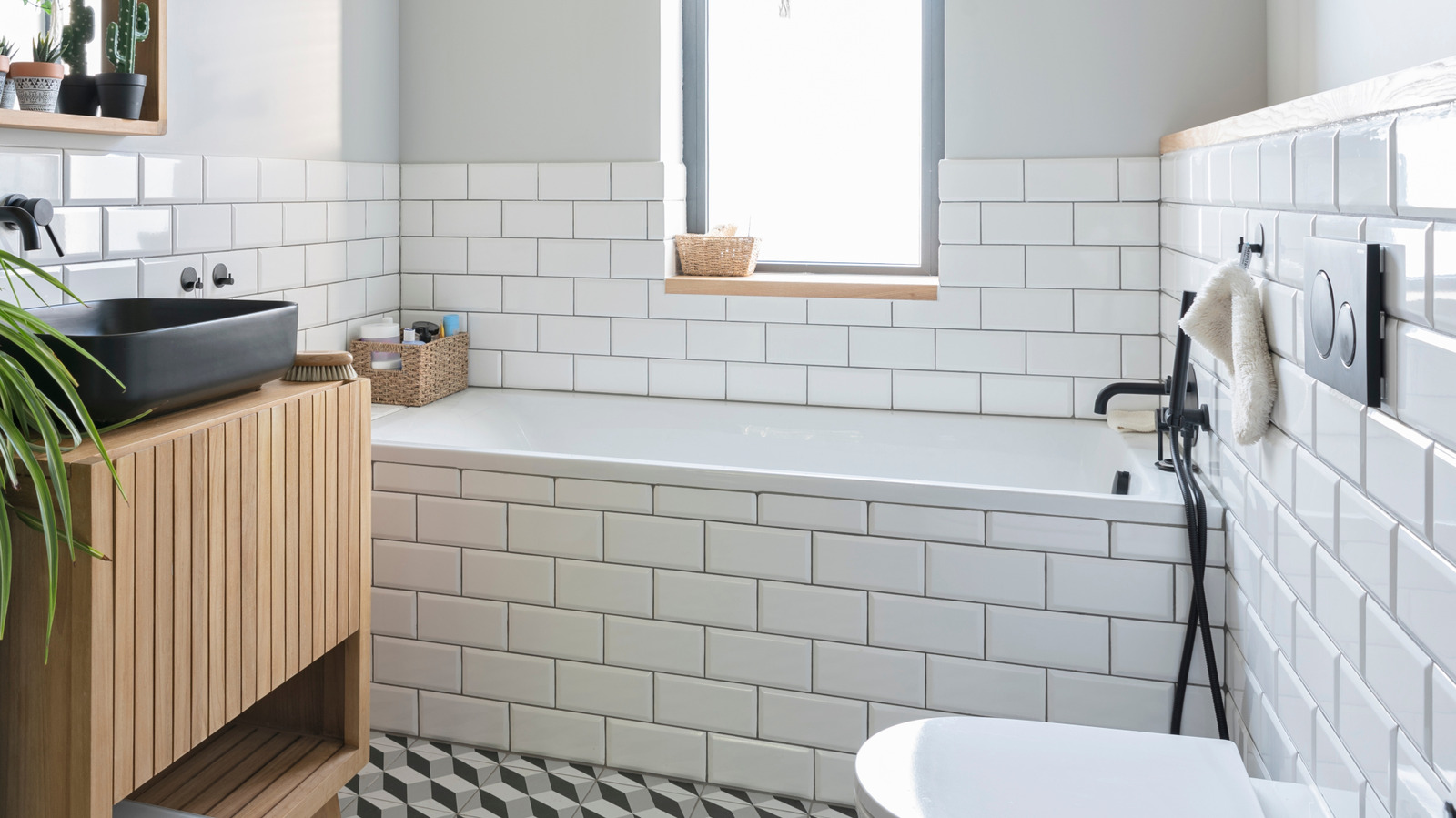
You’re tackling that bathroom renovation or backsplash replacement yourself, and have successfully mounted the tiles and applied the grout. Now it’s time to seal that grout for longevity. When it comes to sealing your tile grout, you can either brush sealer directly onto the grout lines or spray it over them. Both methods will get the job done, but they each have their own quirks.
Regardless of which method you choose, sealing the grout is essential because it’s naturally porous. That means it will soak up water, grease, and stains over time if left exposed. Proper sealing will protect your grout, especially in high-moisture areas like kitchens, bathrooms, and laundry rooms, and help keep your living spaces looking clean and prevent mold.
How the two methods of grout sealing compare: pros and cons
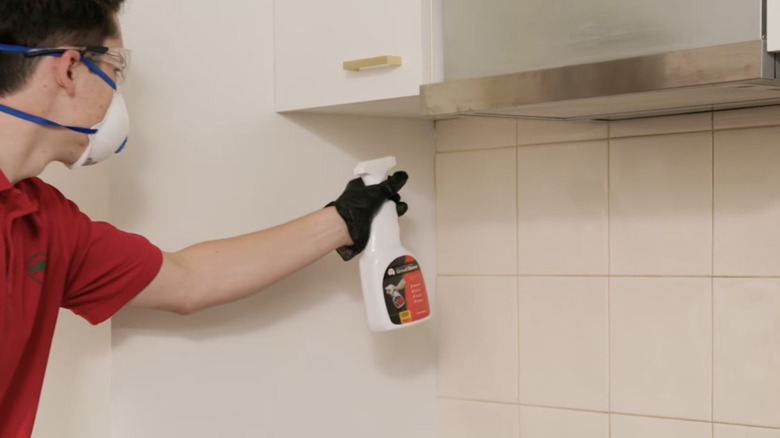
Spraying on the sealer is quicker, but it can be messy. The spray can drift and end up on nearby tiles, fixtures, or other surfaces, and you may end up wasting product by overspraying the grout lines. On the other hand, brushing the sealer on gives you more control and precision, so you can apply the right amount where you need it. The downside is that it takes more time and effort.
Ultimately, brushing is usually considered the better method for long-term protection, but both approaches can work depending on the specific project and your personal preferences.
Why tile material and location matters when choosing a method
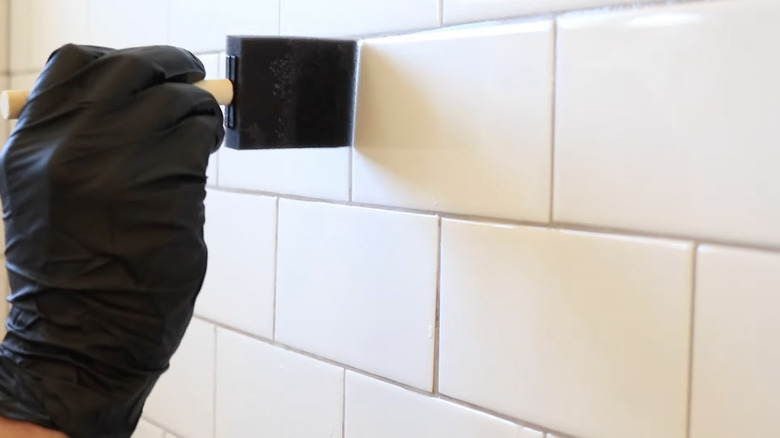
The type of tile you have can make a difference in which application method works best. Natural stone tiles like marble or travertine can be damaged or darkened by heavy sealer, so brushing is the safer choice. Ceramic tiles are more forgiving, so spray sealers may work better.
The size of the tiled area is also a factor. Smaller spaces like bathroom walls are easier to do by hand with a brush, while larger areas like floors or backsplashes may be quicker with a spray. And for high-traffic areas that need more frequent resealing, brushing is usually the more reliable long-term option.
We may receive a commission on purchases made from links.