Whether you’ve picked one up pre-made, put together one from a kit, or brought in a contractor to build something custom, a storage shed is a fantastic way to keep your tools organized and have a little work space away from the weather. That said, the quality and durability of sheds can really differ. Budget-friendly kits often come with thinner, less sturdy materials compared to pricier structures built by professionals, which means they’re more likely to get damaged or broken into. The good news? You can take steps to secure pretty much any shed and make it safer for your tools and yourself. It comes down to organizing your tools properly, keeping up with maintenance, and taking steps to prevent theft. How well your shed is built matters a lot when it comes to safety. For instance, cheaper structures might not be fully waterproof, so rain can seep in and cause your tools to rust. If moisture gets through tiny gaps, you can bet pests like mice will find their way in too and cause all sorts of problems. These kinds of sheds are also easier targets for theft. Even if you lock the door, a burglar might find other vulnerable spots around the structure to break through. You might not think your shed’s contents are worth much, but thieves could see it as a quick way to grab tools they can sell or use to break into your garage or house. Taking care of your shed and securing it properly will help protect against all of these issues and more.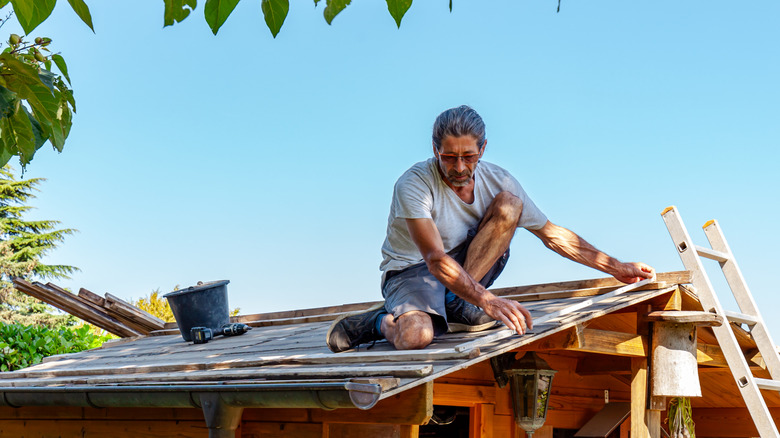 Imagesines /Getty Images
5 Ways To Keep Your Shed Safe And Your Gear Protected
Keep things organized to protect everyone using the shed
 Viacheslav Nikolaenko/Shutterstock
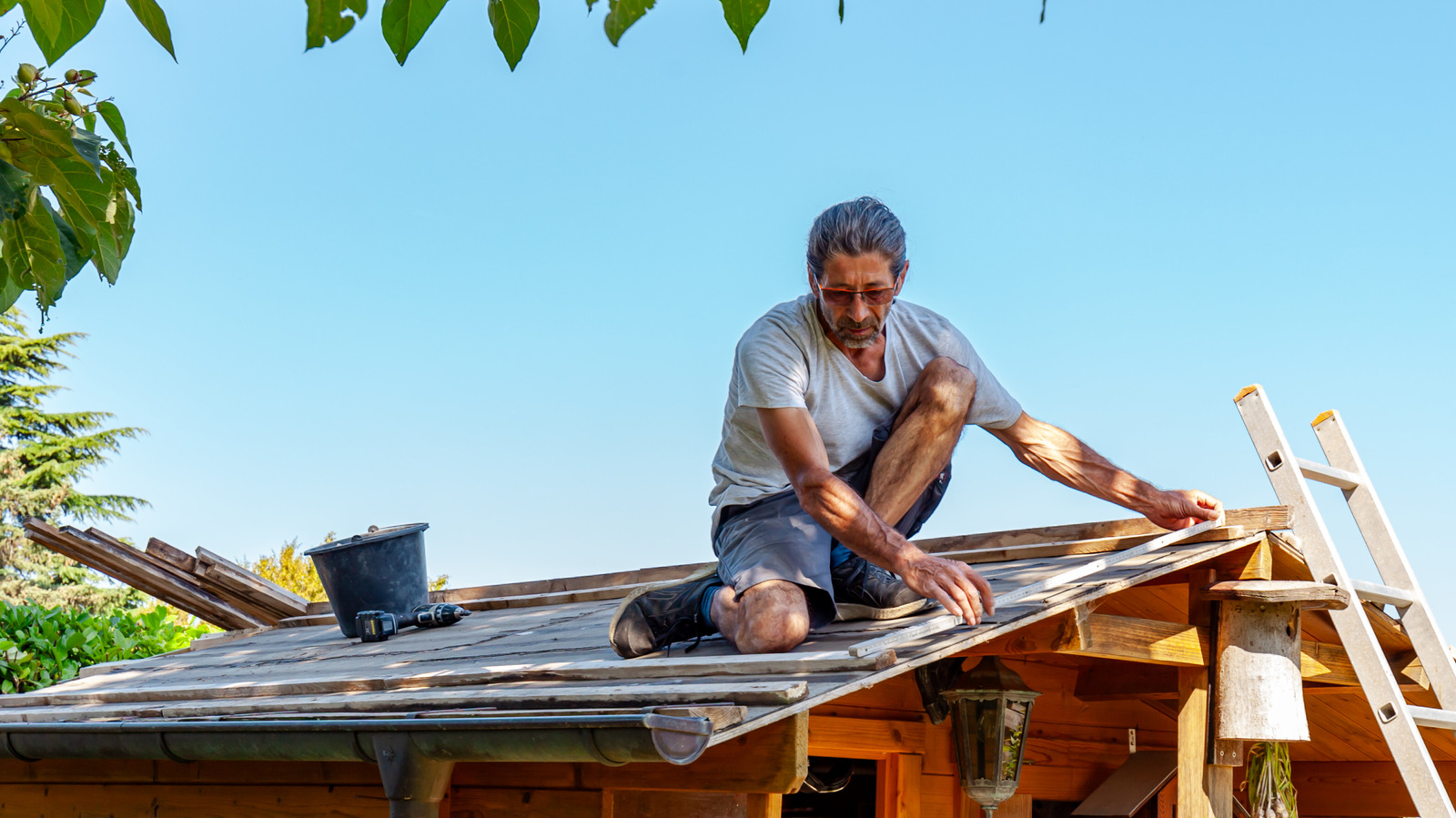
 Following a few smart organization tips will make the space safer for anyone who steps inside. Start by putting up shelves and wall-mounted hangers to get tools and gear off the floor. If stuff’s left on the ground or piled up in a corner, it becomes a trip hazard waiting to happen. Plus, hanging your garden tools after you use them lets air flow better around them and helps them dry faster, which cuts down on rust.
When you’re loading things onto your shed shelves, here’s a simple rule that makes a real difference. Put the heavier items on the lower shelves and keep the lighter stuff up top. This helps prevent shelves from tipping over or heavier items from crashing down on someone. A lot of people also find it helpful to slap some labels around the shed so they know exactly where everything goes.
If you’re keeping anything flammable in there—like gasoline or solvents—make sure they’re in the right containers and stored somewhere kids and pets can’t get to. Keep a fire extinguisher handy that’s designed to handle whatever flammable materials you’ve got stored in there.
Don’t skip maintenance to keep your shed structurally sound
 Michellegibson/Getty Images
 Keeping your shed’s structure and foundation in good shape is key for making it last longer and keeping everyone safe when they’re using it. Watch for any settling that could throw it out of level and create a risk of collapse. Before you even build your shed, it’s crucial to get a solid foundation in place so it stays level and safe. A wobbly foundation can let moisture creep in and ruin everything inside.
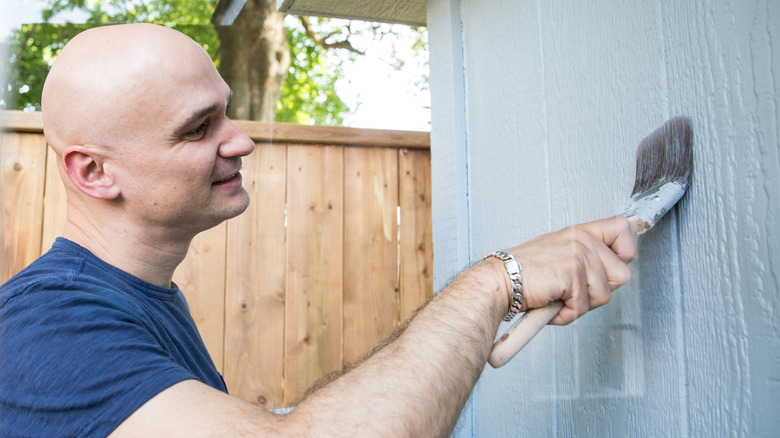
Touch up the paint or stain regularly on your shed to protect it from moisture and prevent rot or bug damage. Wood sheds typically need a fresh coat of paint or stain every couple of years. Vinyl sheds don’t usually need painting, but you should wash them down periodically. Metal sheds can rust without a protective paint coat. The coating also shields the structure from damaging UV rays that could eat away at its lifespan.
To keep moisture from seeping in and destroying materials or your tools, you might need to add new weatherstripping or caulk around doors and windows. Also, take a peek at the roof regularly to spot issues like loose shingles that could let rain get inside.
Strengthen weak spots and add security measures
 Oleh Strus/Getty Images
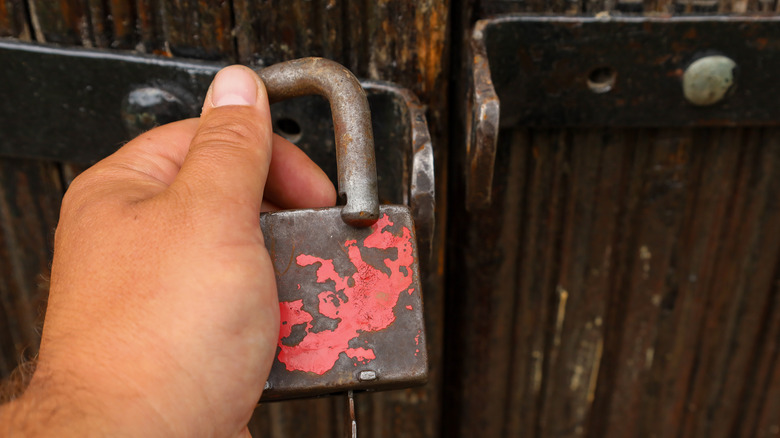
 Even if your shed’s tucked away in a fenced backyard, thieves might still try to break in and grab your stuff. That’s why it’s really important to lock your shed doors after every use so it’s not an easy target. Go for an outdoor lock that can handle the weather and isn’t simple to tamper with or cut through.
Check your shed’s problem areas regularly—like doors, hinges, and windows—for anything that’s come loose. Think about swapping out your hinge screws for carriage bolts, which makes it way harder for a burglar with a screwdriver to break in. You could also put metal bars or screens over the windows to make getting through tougher. Add some curtains or apply frosted glass to the windows so people can’t see what’s inside your shed.
For extra peace of mind, throw up some motion-activated security lights around the shed. A lot of these run on solar power, which makes setup super easy for a shed without electricity. Some folks also set up motion-triggered cameras near their sheds to scare off potential burglars or catch them in action.
Trim weeds, brush, and grass around your shed
 Bohdan Bevz/Getty Images
 Overgrown weeds or brush near your shed give a potential burglar the perfect spot to hide while they scope out weak points. Leave old branches, stacked firewood, or messy bushes lying around, and you’re basically creating a cozy hiding spot for rodents and other pests. Long grass and bushy plants also trap moisture from rain or morning dew, which makes your shed’s materials more prone to wood rot, rust, mold, and mildew.
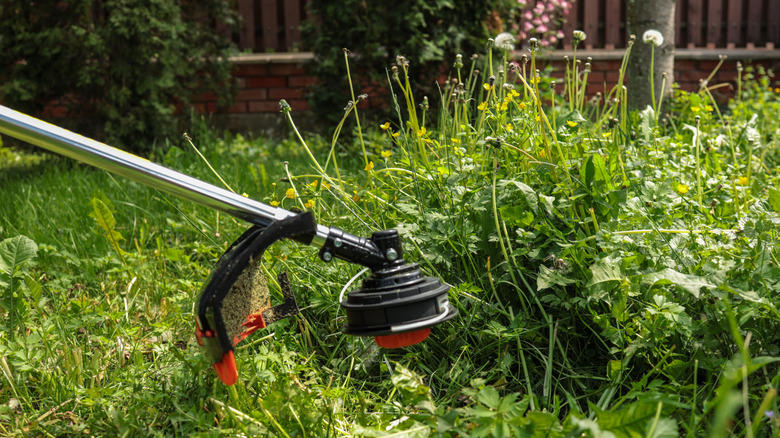
Whether you decide to use a weed trimmer or handle it another way, try to keep about 2 to 3 feet of clear, closely mowed space around the shed. This clears out those hiding spots, makes it easier to reach all sides of the structure, and helps air circulate better around it, keeping everything drier.
Chop down tree branches hanging over the shed so leaves and twigs don’t keep falling on the roof. Get rid of any random trees popping up near the structure as soon as you spot them. The longer you wait, the harder they become to remove.
Stop mice and other pests before they move in
 Igor Normann/Shutterstock
 Rodents love quiet spots that aren’t bustling with activity and offer shelter from the elements—basically everything a garden shed provides. If you let them set up shop, mice and rats can seriously damage your shed and everything in it. Plus, you don’t want your family getting sick from breathing in rodent droppings in a tight space like a backyard shed. Block up any holes and gaps using metal flashing or hardware cloth. If you store any food in there, keep it in sealed metal containers and clean up spills immediately.
Nasty insects like wasps love building nests right on sheds where they get protection from the weather under the eaves or inside gaps. Look over your shed for any holes or openings these bugs might use to nest and seal them up. When you spot a wasp nest on or in your shed, spray it down while it’s still small to get rid of the insects and lower the chances of anyone getting stung.