Kokhan O/Shutterstock
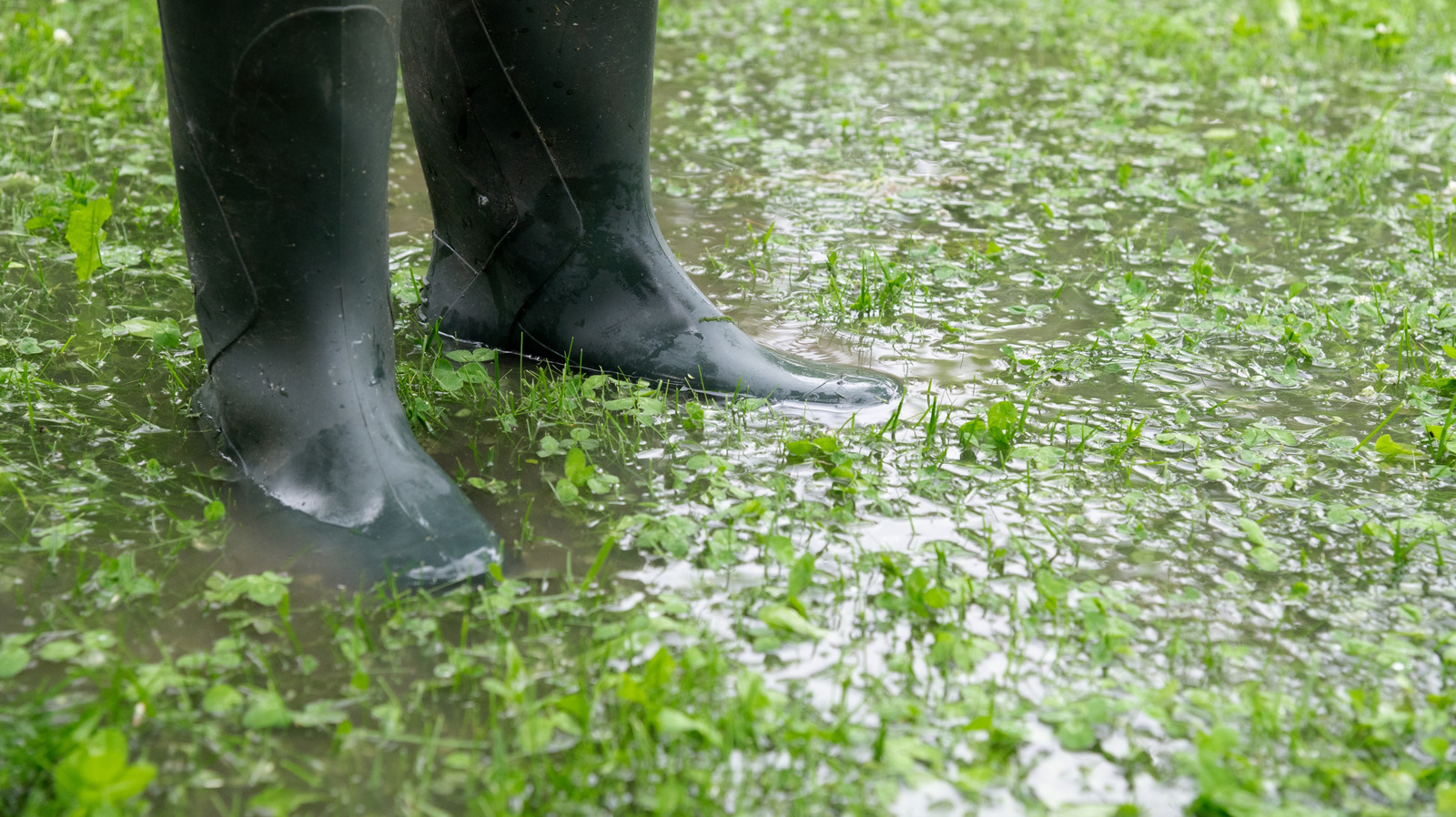
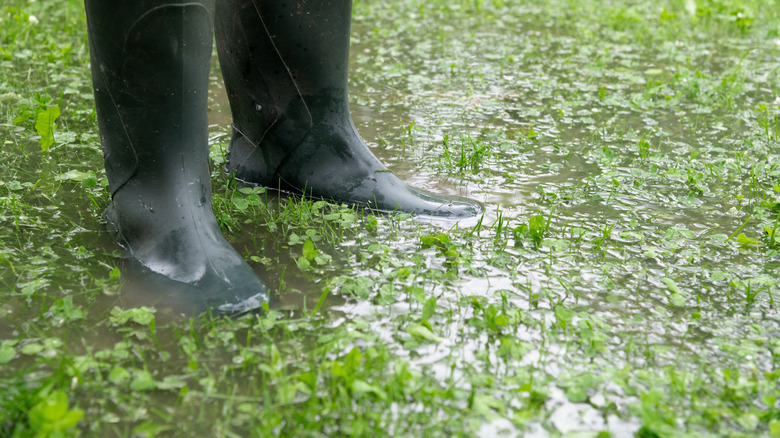
Uh oh, looks like your backyard’s turning into a little water park after heavy rain! No need to panic though, we’ve got your back. There are a few easy things you can do to get that soggy situation under control.
Your yard might be flooding for all kinds of reasons – from tricky soil to clogged gutters. But the good news is, most of these problems have pretty simple solutions. You just gotta figure out what’s causing the issue first, then get to work fixing it.
Once you get to the root of the problem, making a few tweaks around your yard can go a long way in keeping that water at bay. It might take a little elbow grease, but trust me, it’ll be worth it to have a nice dry backyard again.
Poor drainage is the most common culprit
Stoatphoto/Shutterstock
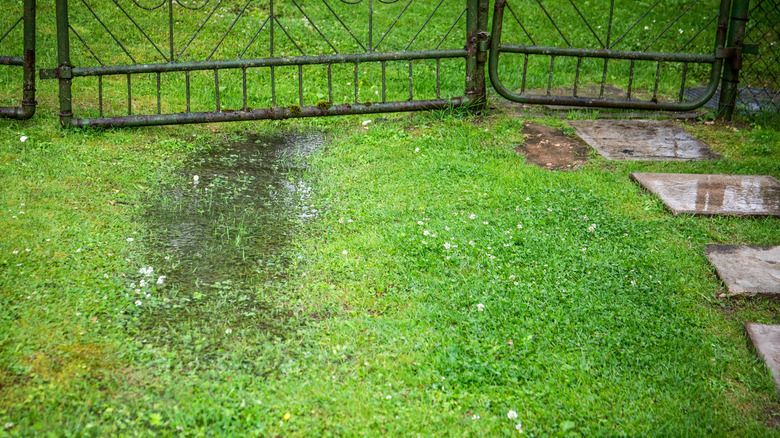
If your yard turns into a swamp every time it rains, poor drainage is probably the issue. All that water needs somewhere to go – and if your yard isn’t set up to move it out, it just ends up pooling and causing a big mess.
Soil that’s mostly clay or a flat yard with low spots are common culprits. Keeping an eye on where the water collects can help you figure out what’s going on. The good news is, there are some easy fixes – adding a slope or a drainage system can help direct the water out of your backyard.
It might take a little work, but it’s worth it to keep your yard high and dry. Just be prepared to get your hands a little dirty!
Lack of landscaping can lead to water pooling
ARTpok/Shutterstock
If your backyard’s looking a little bare, that might be part of the problem. Plants and their roots are natural water-absorbers, so a lack of greenery can lead to that unwanted pooling.
To help soak up some of that excess moisture, consider adding some water-loving plants. A rain garden is a great option – it’s designed to thrive in wet conditions. Just make sure to do your research and pick the right plants for your climate.
Now, adding new plants does take some work, but a little TLC can go a long way. Native species tend to be lower-maintenance, so that’s a good place to start. Just be ready to do some weeding and watering to keep your new green friends happy and healthy.
Compacted soil causes flooding for more than one reason

Oldboys/Shutterstock
Compacted soil can be a real troublemaker when it comes to backyard flooding. It doesn’t absorb water well, leading to all that excess pooling. And it can also make it tough for plants to grow deep roots and soak up moisture.
Luckily, there are ways to loosen up that compacted soil – aerating it or adding organic matter like compost can help. It might take some time and elbow grease, but getting that soil healthy again will make a big difference.
Just keep in mind it’s not an overnight fix. You’ll need to put in the work and give it some time. In the meantime, look into other solutions like drainage systems or water-loving plants to help control the flooding.
Nearby water features can easily overflow

Draganab/Getty Images
Who doesn’t love a pretty water feature in the backyard? But as nice as they are, those lakes, ponds, and streams can also be a recipe for flooding if they overflow.
If the water feature isn’t on your property, there’s not much you can do about it. But the good news is, the other fixes we’ve talked about – like improving drainage and adding water-loving plants – can still help.
You can also try adding pavers or a retaining wall to help manage the excess water. Just make sure any permanent solutions have the right drainage system in place too. A little creative landscaping can go a long way in keeping that water under control.
Clogged gutters can lead to water pooling by the side of your house

Marc Dufresne/Getty Images
Believe it or not, those gutters on your home can actually be a sneaky cause of backyard flooding. When they get clogged up, they can’t properly channel all that roof runoff water away from your house, leaving it to spill over the sides and pool in your yard.
So if you’re noticing new flooding issues, it might be worth checking out your gutters. Look for any blockages or disconnected downspouts that could be causing the problem. A little gutter maintenance can go a long way in keeping your backyard high and dry.
Just be careful when you’re up on that ladder cleaning out your gutters – safety first! And if you’re not comfortable doing it yourself, don’t hesitate to call in a pro. Your backyard will thank you.