Andreaobzerova/Getty Images
We may receive a commission on purchases made from links.
Keeping your plants properly hydrated is the key to having them thrive. Plants need water for photosynthesis, and without enough moisture, they’ll start looking sad with brown, curling leaves. In the worst cases, severely under-watered plants can even die. So it’s super important to make sure all the plants in your home and garden get watered regularly.
But we get it – sometimes it’s hard to remember to water everything consistently, especially if you need to go out of town. That’s where self-watering tools come in handy. From simple gadgets that slowly release water into the soil to fancy irrigation systems, there are lots of different self-watering options to help you keep your plants effectively hydrated without the constant effort.
Terracotta spikes

Sticking terracotta spikes in your potted plants is a super easy self-watering trick. You just fill the spikes with water and stick them into the soil near the roots. The terracotta material slowly releases the water into the soil, keeping your plants hydrated without you having to constantly water them. It’s a super low-maintenance option – you just need to top up the spikes every so often.
Watering trays
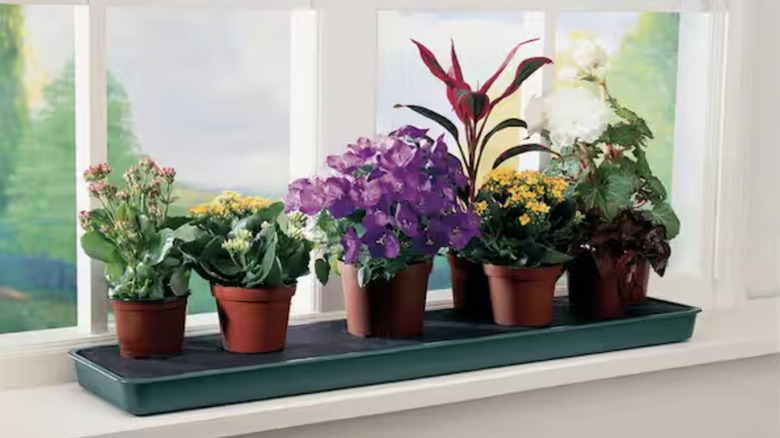
A lot of people love watering their houseplants from the bottom, especially for plants that don’t need a ton of water like cacti. If that’s your thing, you should check out watering trays with capillary matting – they let the plants soak up water as they need it through the drainage holes. The capillary mat slowly sucks up water from a reservoir below, so the plants only take what they require.
Wick systems

Wick systems are another clever self-watering option. The basic idea is that a thick cotton string or rope sticks out of the drainage hole and soaks up water from a reservoir below, providing a steady supply of moisture for the plant. Some wick systems have the wick going directly into the soil instead. These work best for plants that don’t need a ton of water.
Irrigation globes

Irrigation globes are great self-watering tools because they hold a ton of water and slowly release it into the soil as needed. Even if you forget about your plants for a while, the filled irrigation globe will keep them hydrated. Adjusting the angle of the globe can help control the rate of water release too.
Soil additives
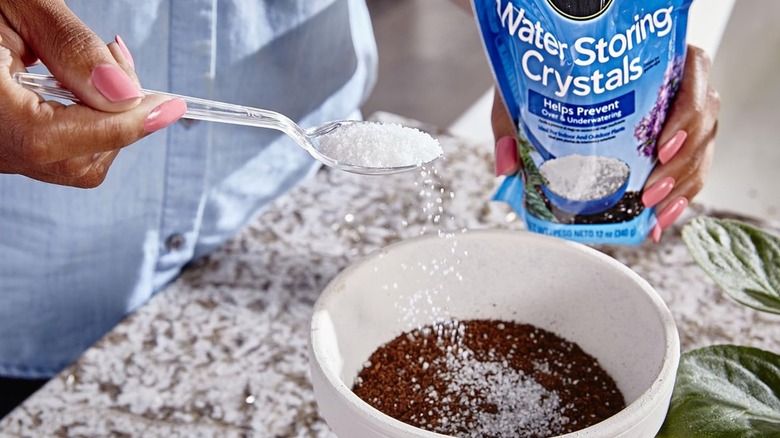
You can also make your potting mix self-watering by mixing in special soil additives. Things like perlite, vermiculite, cococoir, and compost can all help improve water retention and storage in the soil. There are even pre-made soil products, like ones from Home Depot, that are designed to slowly release water over time.
Olla pots

Olla pots are a traditional self-watering method that works great for outdoor plants. These unglazed clay pots are buried in the soil with just the top peeking out. The porous clay allows water to slowly seep out and keep the surrounding soil consistently moist. It’s a super low-maintenance way to water your garden beds and containers.
Drip irrigation
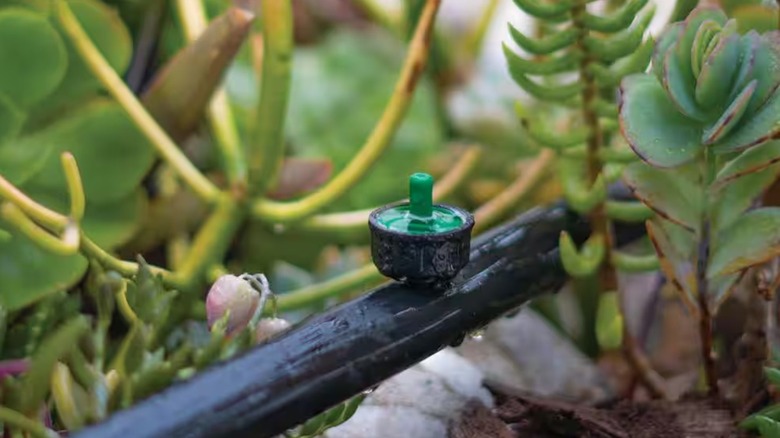
Drip irrigation systems are another versatile self-watering option. Instead of soaking your whole garden, drip irrigation slowly and consistently delivers water right to your plants. You can set up a big system for a flower bed or a small one for a potted plant. It’s a bit more complex than some other self-watering tools, but it really cuts down on water waste and makes watering way less work.
Plant pot reservoir
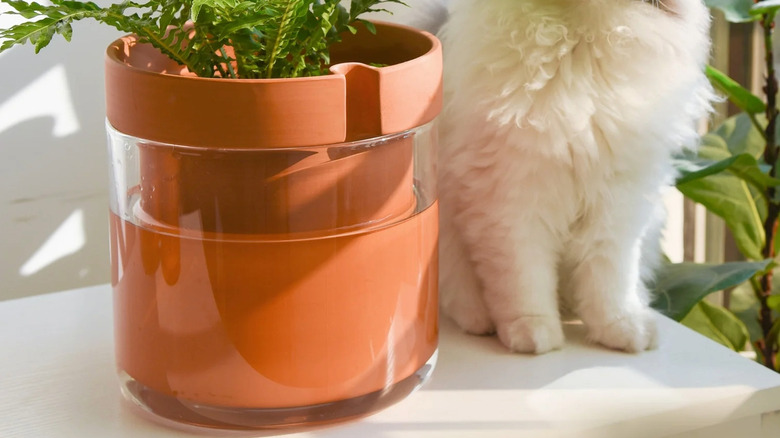
This self-watering method is super simple – you just put your plant pot into a reservoir filled with water. Some pots even come with built-in reservoirs, so you can easily see the water level. This is a good option for when you’re going away and want to make sure your thirsty plants stay hydrated.