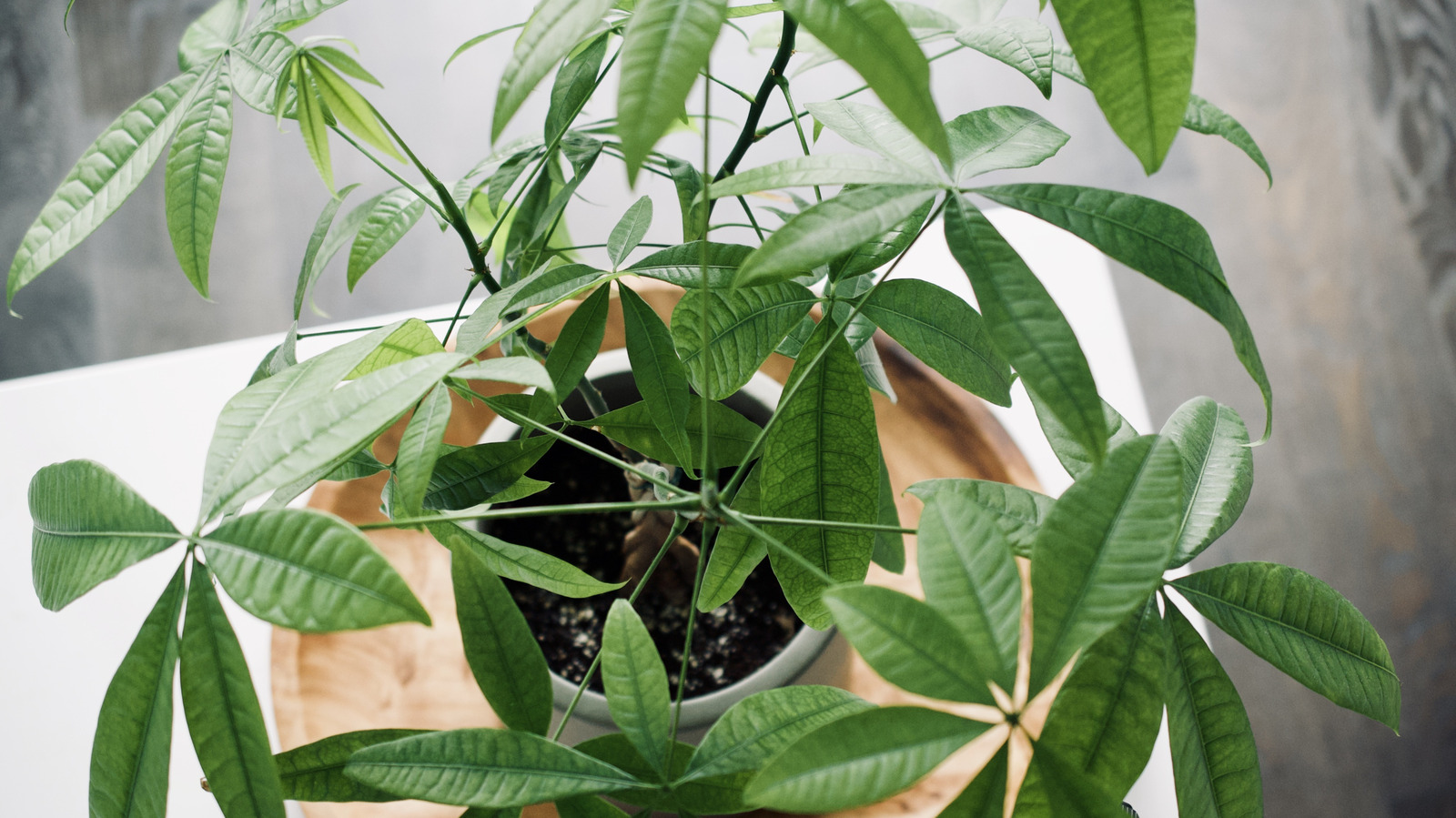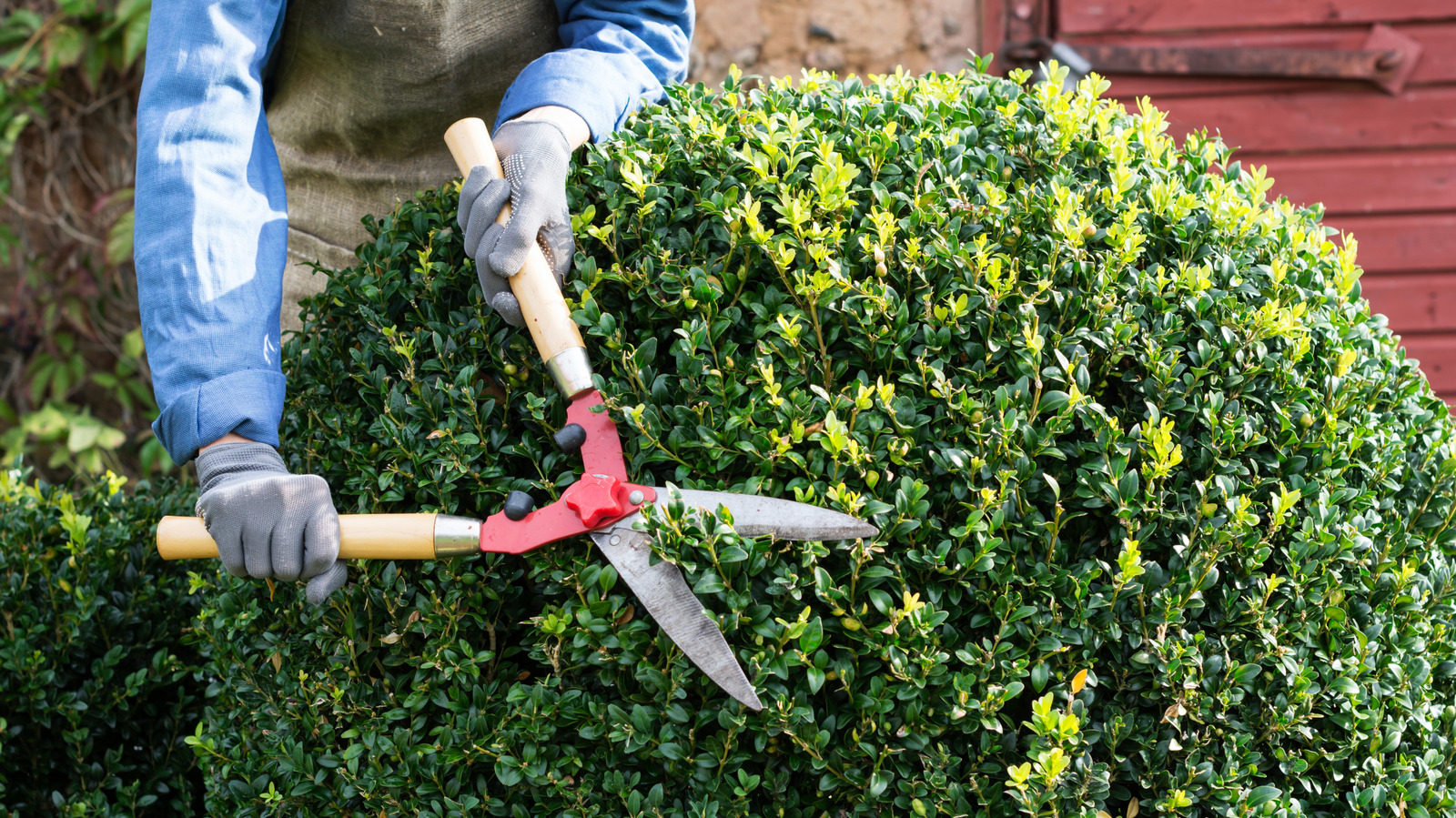

Even a seasoned gardener can get caught off guard by a late frost or unexpected cold snap every now and then. Frost can really do a number on plants, blackening foliage and damaging tissues. But don’t give up hope – some plants can bounce back if you handle them with care and give them time to recover. When you first see those sad, wilted plants, they may look totally done for. But just wait a couple days – you might start seeing new signs of life as the plant begins to heal. Of course, you’ll need to protect them from further damage in the meantime. Tatsiana Volkava/Getty Images
Water frost-stressed plants deeply once the soil thaws
 Paulmaguire/Getty Images
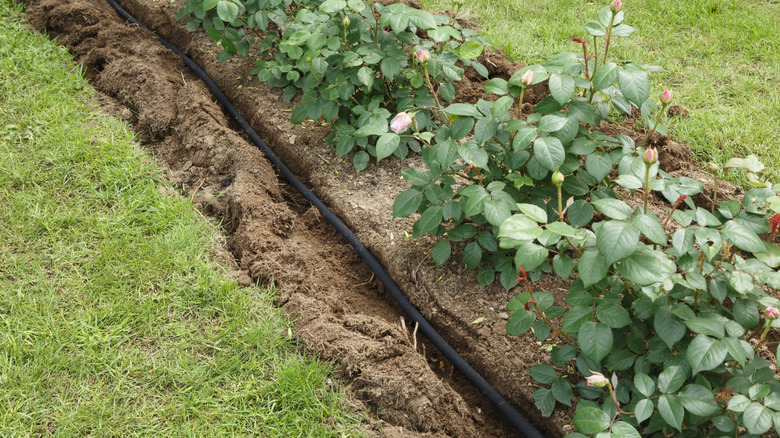
 Once the ground thaws, give your frost-bitten plants a good, deep soak. Rehydrating the roots, if they haven’t been too badly damaged, can really help the plant bounce back. Just be careful not to get water on any already damaged tissues. Focus on saturating the root zone. And don’t do it while the ground is still frozen – wait until it’s thawed and can properly absorb the water.
Use a soaker hose to really get the water deep into the soil. You can even water the whole area beyond the plant’s drip line. Just don’t overwater if the ground is already saturated – that’ll just cause more problems.
Give plants time to show the full extent of damage
 butterfly’s dream/Shutterstock
 Be patient with frost-damaged plants. They’re delicate and need time to recover. Wait about 48 hours before deciding whether to save them or not. In a couple days, you might see more damage appear as tissues die off, but you could also see new growth popping up, like the plant is rising from the ashes.
Perennials and flowering plants are especially resilient. The open blooms and tips may get zapped, but you could still see buds further down the stems doing just fine. Woody plants like shrubs and herbs take even longer, at least two weeks, before you can fully assess the damage and new growth.
Use a scratch test and bud firmness to check if woody plants are alive
 Budimir Jevtic/Shutterstock
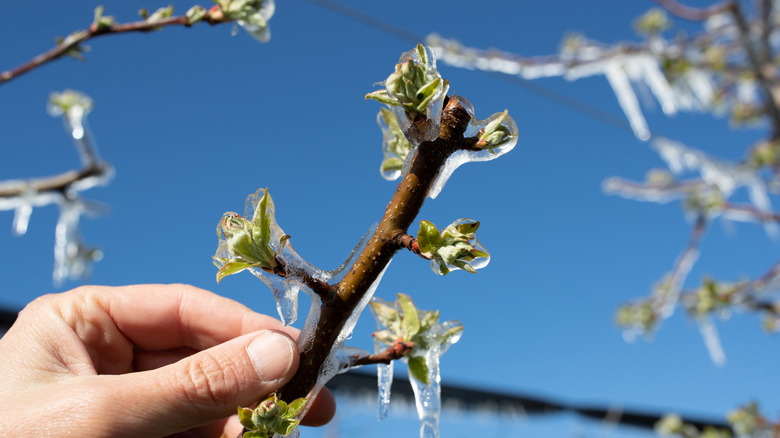
 For woody plants, gently scrape the bark with your thumbnail to check if the tissue underneath is green and moist. Start at the tips and work your way back until you find living tissue. You can also check the buds – if they’re firm and full, they’re likely still viable. If they’re dry and papery, they’re probably goners.
This simple scratch and bud test will help you figure out how far the frost damage extends so you know how much to prune back. Just take it slow and go branch by branch.
Cut back mushy or collapsed growth on tender perennials
 PrakapenkaAlena/Shutterstock
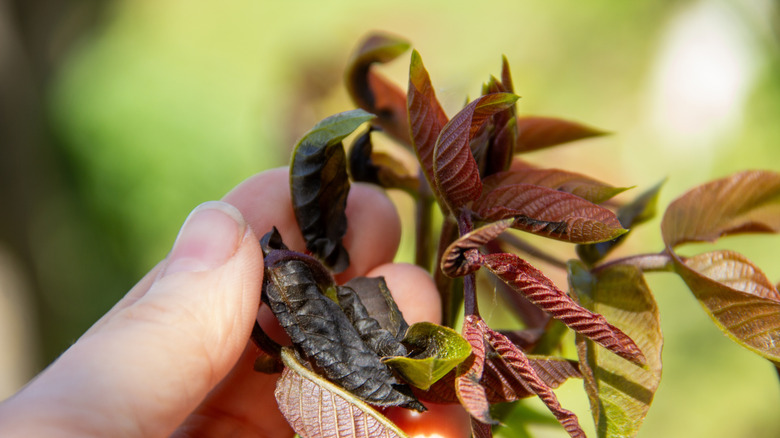
 Sometimes you have to cut back the dead, damaged stuff to save the rest of the plant. Anything that’s black, slimy, or fully collapsed needs to go. The dead tissue can spread disease and rot if you leave it. Wait until the plant is fully thawed, then do a drastic trim if needed, even cutting all the way back to the crown. Better to be aggressive than risk the whole plant.
After trimming, be sure to protect the exposed crown with mulch or a frost blanket, especially if more cold weather is coming.
Re-firm frost-heaved plants back into the soil
 photowind/Shutterstock
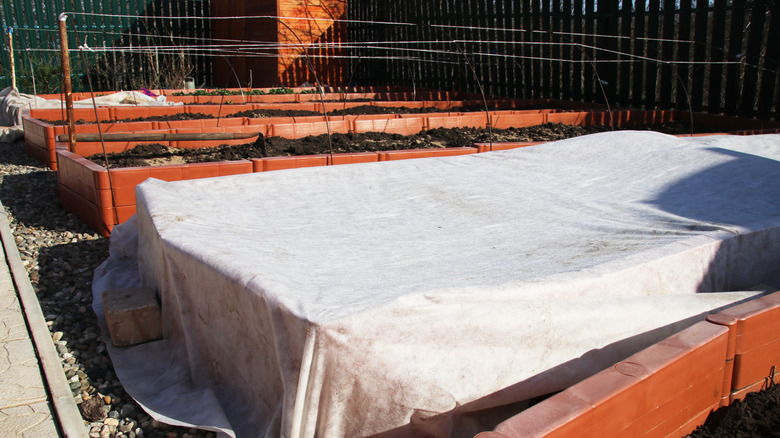
 Frost can cause plants to partially pop out of the ground, exposing their roots. This frost heave can be really damaging. If the ground is still frozen, cover the exposed roots with mulch and a frost blanket. Then, once it thaws, gently press the plant back into its original position and firm up the soil around it.
Make sure the crown is at or just above the soil level. Give it a good watering, add mulch, and you’re good to go.
Add or top up mulch to insulate vulnerable roots
 AndrWater/Shutterstock
 If the ground is still frozen, your best bet is to add a deep layer of mulch over the root zone. This helps keep temperatures stable and protects the soil from that constant freeze-thaw cycle that can really damage plants.
Spread 2-4 inches of loose mulch like wood chips or compost over the whole root area, leaving a bit of space around the crown or trunk. This insulates the roots and prevents drying from winter winds.
Move container plants to a sheltered spot while they recover
 Dima Berlin/Getty Images
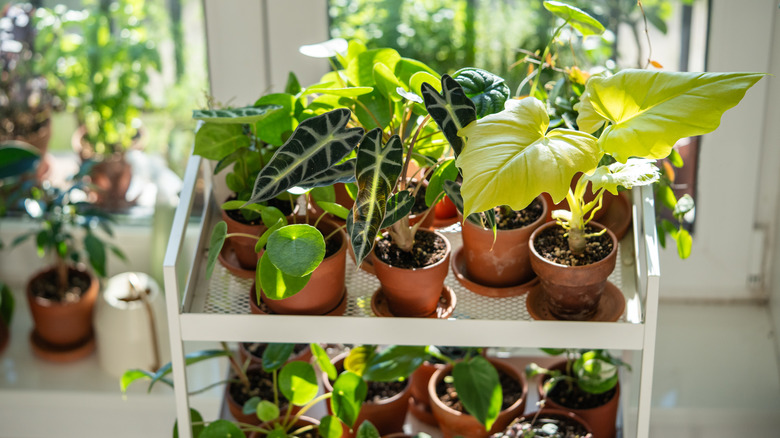
 Container plants are way more vulnerable to frost damage than those in the ground. Their roots just don’t have that same insulation. Plus, if they’re sitting on concrete or stone, the cold really leeches into them.
The best thing is to move them to a sheltered spot – maybe bury the containers in soil or group them together in a greenhouse. You can also wrap them in a frost blanket or bubble wrap to help keep them cozy.
Add extra protection to the greenhouse after a cold hit
 GreenThumbShots/Shutterstock
 If I’m worried about a late frost, I always make sure to add some extra protection inside my greenhouse. Clip up bubble wrap or frost fleece along the frame to trap more heat. And for delicate seedlings, I’ll put an extra layer of fleece right over the trays.
I’ve even rigged up a mini heater using a terracotta pot and some tea lights – just be really careful with anything like that to avoid a fire hazard.
Help winter-burned evergreens rehydrate and slowly recover
 Ahanov Michael/Shutterstock
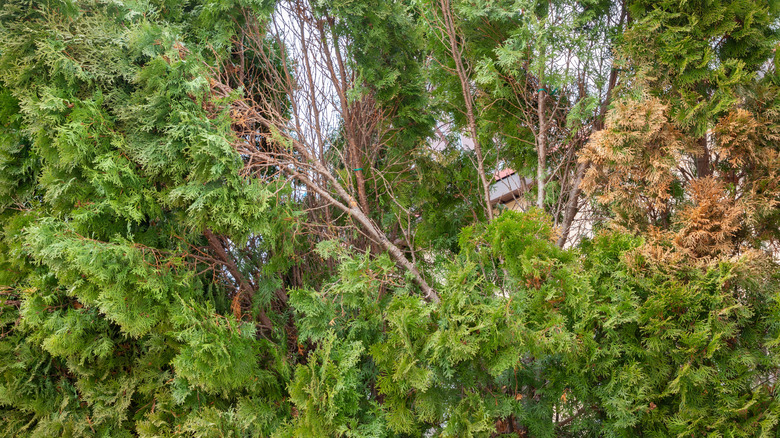
 Evergreens can get hit hard by frost too, especially after a dry, windy day. The plant loses moisture through its leaves, but the roots can’t bring up enough water from the frozen ground to replace it. So the tissues get desiccated and damaged.
Once the ground thaws, give the affected evergreens a long, slow soak with a soaker hose. Then mulch the area well to prevent more winter drying. With time and TLC, they should bounce back.
<div class="