

Mushrooms are super easy to grow right in your own backyard, and they come with a bunch of awesome benefits too. Most folks don’t realize just how crucial fungi are for a healthy garden – they help break down tough organic matter, build rich soil, and support plant roots. Plus, if you pick the right kinds, you can harvest fresh, tasty mushrooms for your kitchen! And the best part is, they’ll grow in shady, damp areas where other crops struggle. As a master gardener, I’m a big fan of fungi. I grow lots of edible mushrooms because they fill up those empty, underused spots in my yard. It’s true that random mushrooms just pop up on their own and help compost garden waste. But if you want to eat them, you’ve gotta be super careful about identification. So start with a safe, reliable mushroom growing kit or spawn from a trusted source.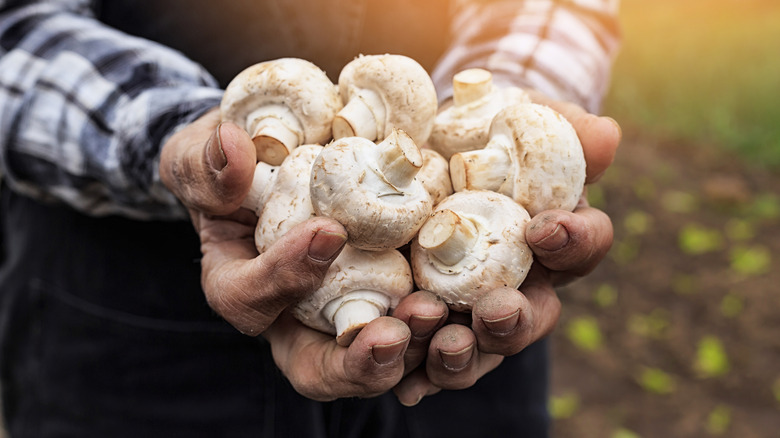 Valentinrussanov/Getty Images
Mushrooms can turn wood chips and pruning waste into rich, organic matter
 Christina Dutkowski/Shutterstock
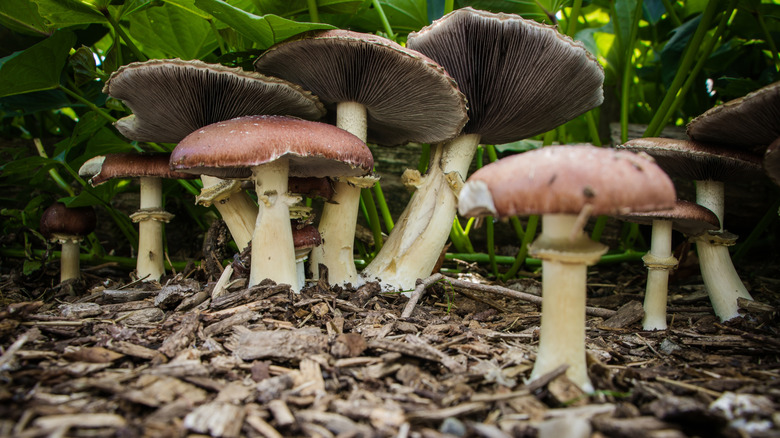
 Some mushrooms, like the tasty wine caps, are awesome at turning woody prunings and wood chips into rich, nutrient-dense compost. These edible guys do best in deep beds of wood chips and straw. You’ll find them popping up along paths and around other plants that are mulched with wood chips. Wine caps, also called garden giants or Godzilla mushrooms, are easy to grow from a commercial starter and are one of the easiest edible mushrooms to identify.
As the mushroom mycelium spreads, it eats away at the tough organic matter and breaks it down into dark, crumbly, nutrient-packed soil that’s perfect for your plants. And when you inoculate the beds with wine cap spores or another safe edible species, you’ll get regular harvests of big, meaty caps to cook with. Tons of edible and inedible mushrooms will quickly move in and decompose all your pruning waste and wood chip mulch. Just make sure to keep the beds at least 4 inches deep.
Mushrooms help support healthier root systems through underground fungal networks
 John M. Chase/Getty Images
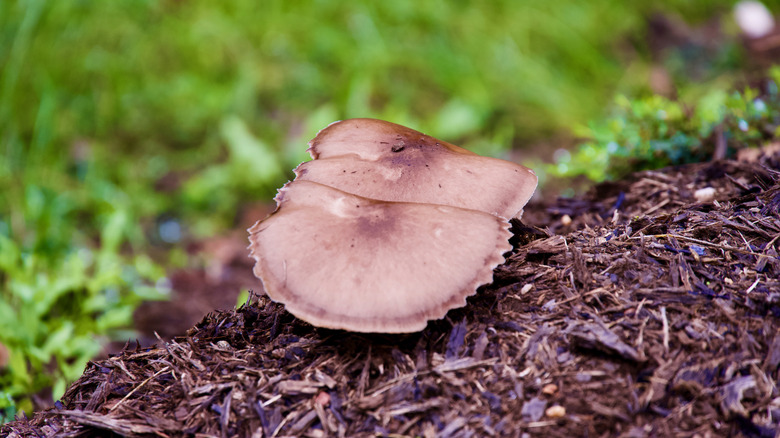
 Mushrooms are awesome for keeping plant roots healthy. I always encourage fungi in my garden, especially anywhere I’m working on improving the soil. The underground mycelium networks are amazing – they improve air flow, soil structure, and reduce compaction. They also create air pockets and enhance drainage.
Some plants even team up with these fungal webs in a mutually beneficial relationship called mycorrhizae. The plant’s roots tap into the mycelium’s fine threads, which can reach way further than the plant’s own roots. In exchange, the plant shares some of its sugars with the fungal network. This helps the plant access hard-to-reach nutrients and water from deep in the soil.
Mushrooms can turn shady, awkward corners into productive patches
 Filip Kielar/Shutterstock
 One of the things I love most about mushrooms is that they’ll grow just about anywhere, even in spots that are too shady or damp for most other plants. So I can grow edible mushrooms in areas that would otherwise go to waste, like under my apple trees or in that weird, damp corner on the side of the house. Mushrooms are super forgiving, so you can grow them along fences, under big shrubs, or other problem spots that are cool, moist, and don’t get much light.
I go for decomposer species that colonize easily, like wine caps and oyster mushrooms. Just give them the right substrates to grow on, like layered cardboard, compost, straw, and wood chips. You can even build raised beds just for mushrooms. And always start with inoculated grain or sawdust spawn from a reputable supplier. Just avoid waterlogged areas, as the spores won’t be able to take hold.
Mushrooms help build richer, more resilient soil life
 Philippe Paternolli/Getty Images
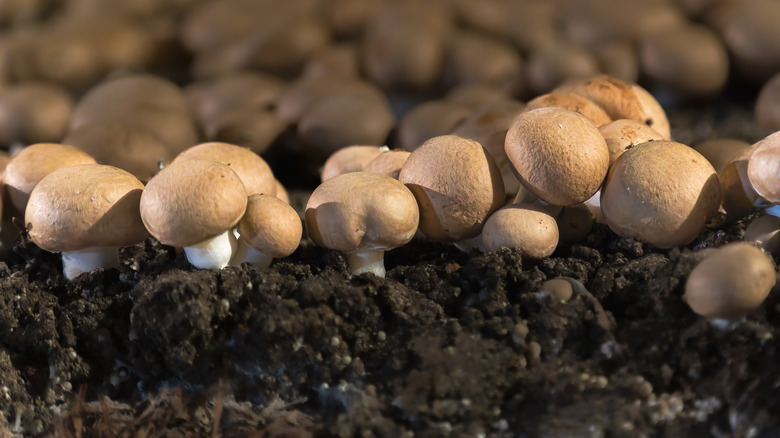
 Mushrooms don’t just help plants directly, they also improve soil health indirectly. That’s why I get so excited when I see mushrooms popping up, even if they aren’t edible – I know that under those caps is a huge network of valuable mycelium working hard to build up my soil. As the fungi break down tough organic matter, they release nutrients and create air pockets, drainage channels, and improve overall soil structure.
You can support the fungi by avoiding waterlogging and providing plenty of organic mulches like wood chips and leaves. It’s a slow process though, so just leave those mulches and prunings in place for a few years. You can speed things up by inoculating the area with fungal spawn, or just let nature take its course over time.
Growing gourmet mushrooms at home gives you fresher flavor than store-bought
 Remigiusz Gora/Getty Images
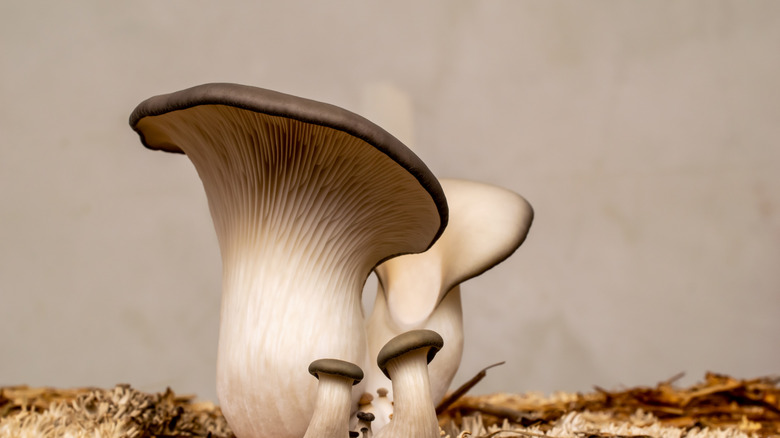
 Many mushrooms produce edible fruiting bodies. But store-bought specialty mushrooms quickly lose their flavor, get bruised, or go past their prime. They’re often grown in forced conditions to maximize size, which dilutes the taste.
So why not grow your own? Depending on your climate, you can cultivate all sorts of gourmet mushrooms like oysters, chanterelles, and lion’s mane. Growing them yourself means you get them at the perfect ripeness with better texture, aroma, and flavor. And if you have extra, you can store them in the fridge for a few days or preserve them for later.
Homegrown mushrooms can cut the cost of gourmet meals
 gontabunta/Shutterstock
 Let’s be real – gourmet mushrooms can be shockingly expensive. And considering how much flavor and quality you lose with store-bought, they really aren’t worth the cost. Plus, there’s the environmental toll of shipping, packaging, and poor growing practices.
Once you get an indoor kit or outdoor mushroom bed going, it’ll keep producing flushes of mushrooms for you to harvest. That means big savings over time, plus you’re putting that unused space in your yard to good use and cutting down on your carbon footprint. Outdoor beds are especially cost-effective, since the initial inoculation is the hardest part – after that, they mostly take care of themselves.
Sticking to beginner-friendly species keeps mushroom growing safer and less stressful
 Sphere_Design/Shutterstock
 If you’re new to growing mushrooms, please play it safe and start with a reputable mushroom kit or inoculated spawn. I can’t stress enough how dangerous it is to just wing it or rely on amateur advice online when it comes to fungi. Many species are outright deadly. This isn’t something to experiment with lightly.
Stick to well-known easy varieties like wine caps, chanterelles, oysters, lion’s mane, and shiitake. These are all super recognizable and safe to cultivate. Instead of worrying about identifying random mushrooms, you can just focus on caring for your chosen species. And if anything unexpected pops up, treat it as inedible and get rid of it.
Choosing between kits and outdoor beds lets you match mushroom growing to your space
 Helin Loik-tomson/Getty Images
 Related Posts
Fence Upgrades That’ll Impress Your Neighbors
Elena_Alex_Ferns/Shutterstock We may receive a commission on purchases made from links. Your fence doesn’t have…
Grow Citrus Trees Happily in Pots – 11 Compact Varieties
DimaBerlin/Shutterstock Having your own little citrus garden is so rewarding! Just imagine the amazing scent…

Smart Garden Tools for a Lush Yard All Year
Mariana Serdynska/Shutterstock We may receive a commission on purchases made from links. Pruning is one…