
Mariana Serdynska/Shutterstock
We may receive a commission on purchases made from links.
Pruning is one of the most important gardening tasks. It lets you get rid of the old, dead, damaged, and weak stuff that could cause problems for your plants. And the best time to do it is in late winter. During this time, most trees and shrubs are resting, and many have shed their leaves. This makes it easy to see the plant’s structure and figure out what to cut. Plus, winter pruning is less stressful for the plant. But timing isn’t the only thing that matters – you need the right tools too. For pruning your shrubs and trees in winter, the essentials include pruning shears, loppers, hand saws, hedge shears, sturdy gloves, and a leaf or hard rake.
When you prune correctly in winter with the right tools, it can really boost a plant’s health and appearance. That’s because it aligns with the plant’s natural growth cycle, allowing trees and shrubs to respond quickly and heal better. The trick is knowing what to cut, what to keep, and which tools to use – that’s where remembering the dos and don’ts can come in handy. Essentially, you want to get rid of any branches that could be a problem for future plant growth. Get it right, and your plants will reward you with a thriving garden in spring and a lush, green landscape all summer.
Essential tools for pruning plants in winter
Antoni M Lubek/Shutterstock
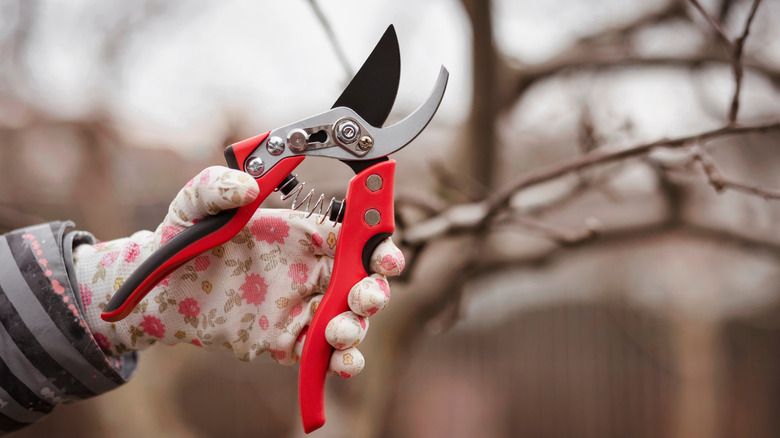
The first and probably the most important tool you need for pruning is good old pruning shears. They come in two main forms – bypass shears, which work like scissors and are best for cutting live branches, and anvil shears, which have a flat surface and are better for pruning dead or tougher wood. But all pruning shears are designed to handle branches about 1/2 to 3/4 inch thick. It’s not recommended to use them on larger stems or branches, as that can damage the tool and cause plant injuries that pests and diseases can get into.
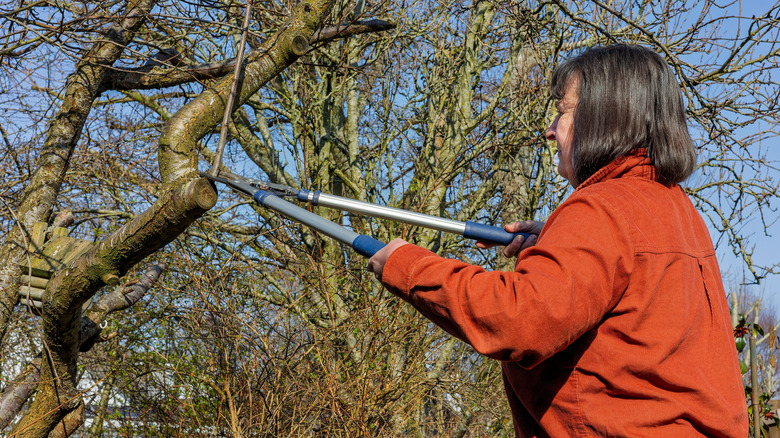
That’s where loppers come in handy. Loppers are similar to shears but have much longer handles. This not only extends your pruning reach but also allows you to cut stems up to about 1 1/2 inches in diameter. Some types can even handle thicker wood. Just make sure to sharpen your loppers before pruning season arrives.
And finally, there are saws. If you have a stem or branch that’s too thick even for loppers, that’s where saws can help. Saws come in hand saw and pole saw versions, so you can pick the one that best fits your needs – or get both, since they don’t cost much. We recommend the Fiskars Hand Saw and the Fiskars Telescoping Pole Saw. They’re lightweight, sturdy, and you can get the pair for around $100.
Winter pruning tools for safety and efficiency
TNstudioFX/Shutterstock
Some winters, you may not need to cut down any branches or stems at all. A simple shaping and topiary might be all you need, and that’s where hedge shears come in handy instead of pruning saws, loppers, and shears. Hedge shears are great for keeping bushes and small trees tidy, as well as for adding clean, crisp lines to your landscape and plants. Just make sure to check the blade alignment, pivot tightness, and handle comfort when buying a hedge shear – the quality and comfort of a tool directly impact how efficiently you can prune.
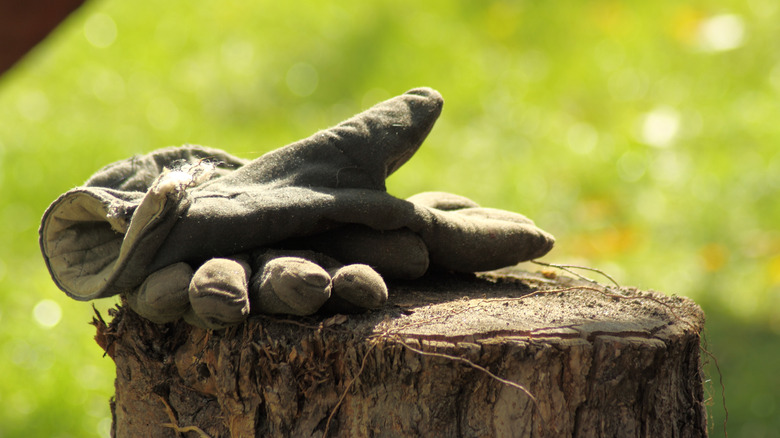
And speaking of comfort, it’s a good idea to invest in some high-quality gloves too. Not only will they keep your fingers from freezing in the cold, but they’ll also protect your hands from blisters, thorns, and cuts. Plus, they improve your grip and tool control in chilly conditions. Look for sturdy, snug-fitting gloves, and bonus points if they’re waterproof.
Finally, you’ll need some good-quality rakes too. Winter pruning isn’t complete until you get rid of all the twigs and leaves you just cut down. There are two main types of rakes – leaf rakes for leaves and small twigs, and garden rakes made of steel for moving larger branches and clumps of wood and twigs from your yard.