
Whoa, landlords have to follow a lot of rules when it comes to renting out their properties! The federal government has certain requirements, like not discriminating against tenants and letting them have service animals. Then there are state-level protections too, like making sure the place is up to code and the utilities are working. It’s a lot for landlords to keep track of, but it’s all about making sure tenants have a safe, livable place to call home. Just gotta know your rights as a renter so you don’t get taken advantage of! The rules can vary a ton depending on where you live, so it’s important to look into the specific laws in your state, county, and city. Some places are super strict, while others have more leeway. But the main idea is that landlords have to play by the rules and can’t just do whatever they want. If you ever have an issue, it’s good to be aware of your options for getting it fixed. Gemth/Getty Images
Landlords Must Provide These 13 Things To Tenants

Federal: Landlords must allow equal access to housing
 Monkeybusinessimages/Getty Images
 Landlords can’t deny you housing just because of your race, gender, family status, or disability. That’s illegal under the Fair Housing Act. They also can’t discriminate against you for being LGBTQ+. Basically, everyone has to be treated the same when it comes to renting a place. Landlords also can’t segregate families from other tenants – they all have to have equal access to listings.
There are a few exceptions, though. Landlords aren’t required to rent to people with criminal records, even if that disproportionately affects certain protected groups. It’s a gray area, but the idea is to balance fair housing with safety concerns. Still, landlords have to be really careful about how they handle background checks and denials.
Federal: Landlords must allow service animals, even if they have a no pets policy
 24k-production/Getty Images
 A lot of rentals have strict “no pets” policies. But service animals are different – landlords have to let you have them, even if they normally don’t allow pets. This is because of fair housing and disability laws. The landlord can’t charge you extra fees for your service animal either. The only exception is if the animal is aggressive or causes major damage – then the landlord can take action.
Just keep in mind that emotional support animals don’t have the same protections as service animals. Landlords can sometimes deny those, especially in smaller properties where the owner lives.
Federal: Landlords must provide notice of the presence of toxic substances
 Douglas Rissing/Getty Images
 Landlords have to let you know if they’re aware of any lead-based paint in the home you’re renting. This is a federal law, because lead can be dangerous, especially for young kids. The landlord has to disclose this info before you sign the lease. There are a few exceptions, like short-term rentals or housing certified as lead-free.
Even if the lead is covered up, the landlord still has to tell you about it. That way, you know to be careful if you start doing any renovations that could disturb the paint. It’s all about making sure tenants are aware of potential hazards before they move in.
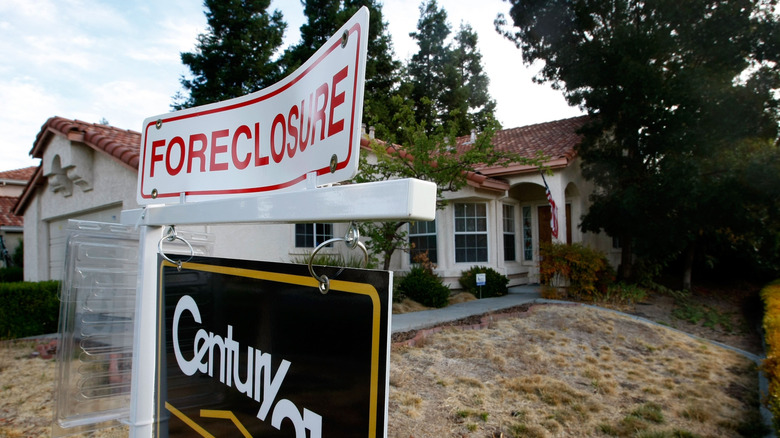
Federal: Landlords must provide continued housing for a term after foreclosure
 Justin Sullivan/Getty Images
 If your landlord’s home goes into foreclosure, you don’t have to move out right away. Federal law says you get at least 90 days’ notice before eviction, or the rest of your lease term, whichever is longer. This is to protect tenants from being punished for their landlord’s financial troubles. The idea is that you shouldn’t lose your home just because your landlord is behind on the mortgage.
This rule was put in place after the 2008 housing crisis, when a lot of people were displaced due to foreclosures. So even if your landlord is in hot water, you’ve still got time to find a new place to live.
URLTA: Landlords must provide a dwelling that complies with applicable building and housing codes
 Juliealexk/Getty Images
 In states that follow the Uniform Residential Landlord and Tenant Act (URLTA), landlords have to make sure the rental property meets all the local building and housing codes. These are the minimum standards for things like safety, sanitation, and livability. The landlord has to take care of anything that doesn’t meet the code before you move in.
For example, in Alabama, the windows have to have proper mesh screens. And in Iowa, any accessory structures like fences and garages have to be in good working order. So the landlord can’t just rent you a place that’s falling apart – they’ve got to keep it up to snuff.
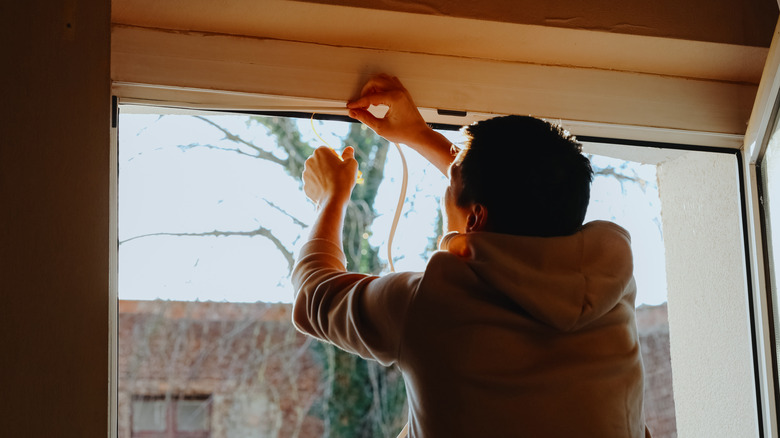
URLTA: Landlords must make repairs to keep the house up to code
 Natakor/Getty Images
 But the landlord’s job isn’t done once you move in. URLTA also says they have to keep making repairs to maintain the property’s compliance with housing codes. If something isn’t up to code or is affecting your health and safety, the landlord has to fix it.
For example, if your windows are missing screens or your fence is falling apart, the landlord has to take care of that. Even if it’s a minor issue, they legally have to address it. Of course, they might try to give you the runaround, but the law is on your side if you push for them to make the necessary fixes.
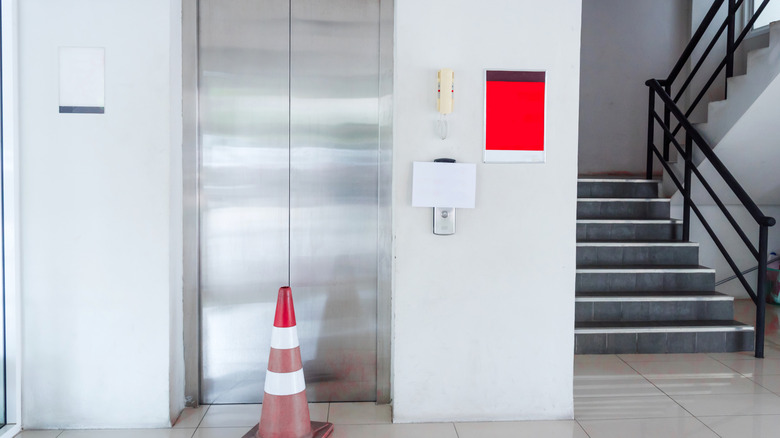
URLTA: Landlords must keep all common areas in a clean and safe condition
 Pinglabel/Getty Images
 If you live in a building with common areas like lobbies, elevators, or a gym, the landlord has to keep those spaces clean and safe. Even if they hire a property management company, the landlord is still responsible.
So if the lights are out in the stairwell or the lobby floor is cracked, the landlord has to fix that. Neglecting common areas can lead to injuries, which the landlord could be liable for. This rule applies in URLTA states, but even in other states, landlords can still get in trouble if someone gets hurt due to unsafe common areas.
URLTA: Landlords must keep appliances and utilities in working order
 Dmytro Sheremeta/Shutterstock
 On top of the building itself, landlords in URLTA states also have to keep essential systems and appliances in working order. That includes electrical, plumbing, heating, and cooling. So if your power goes out or your oven breaks, you can make the landlord fix it.
However, tenants also have a responsibility to use these systems properly. If you cause damage by misusing something, the landlord might not be on the hook for repairs. But overall, the landlord has to maintain everything to make sure the place is livable.
URLTA: Landlords must keep the property clean through garbage removal
Related Posts
The Bathroom Clutter Trap: How to Avoid Making Your Space Feel Messy
Smith Collection/gado/Getty Images Even if you have a large master bathroom, the wrong design can…
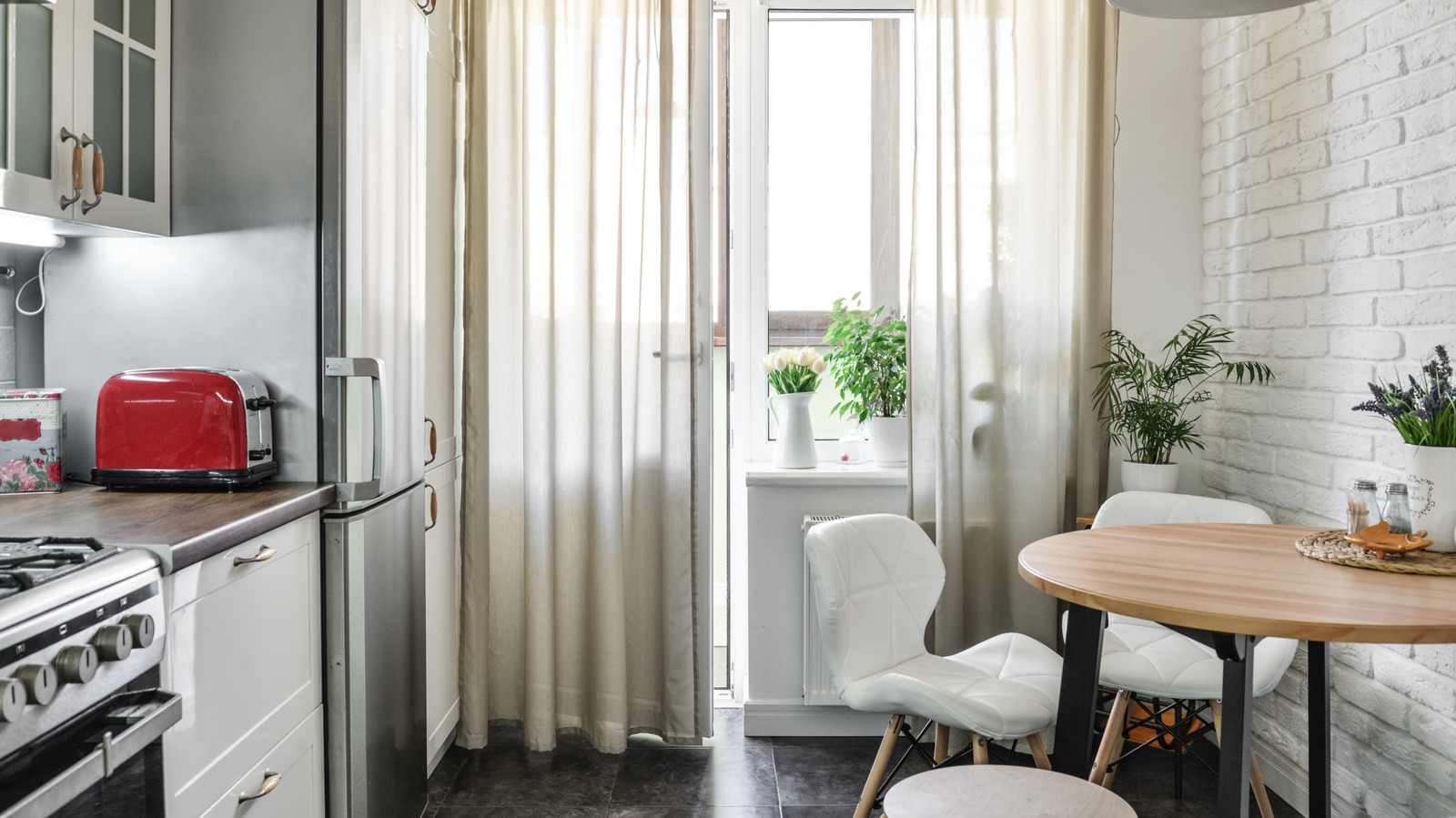
Easy Kitchen Tricks: 11 Ways To Make Your Kitchen Look Bigger Without Changing Walls
Tashka2000/Getty Images The kitchen is the heart of the home, where meals are made and…

Turn An Old Door Into A Patio Table For Entertaining” New Title: “Use an Old Door to Make a Backyard Table for Parties
Route66/Shutterstock We may receive a commission on purchases made from links. Shopping for new patio…