

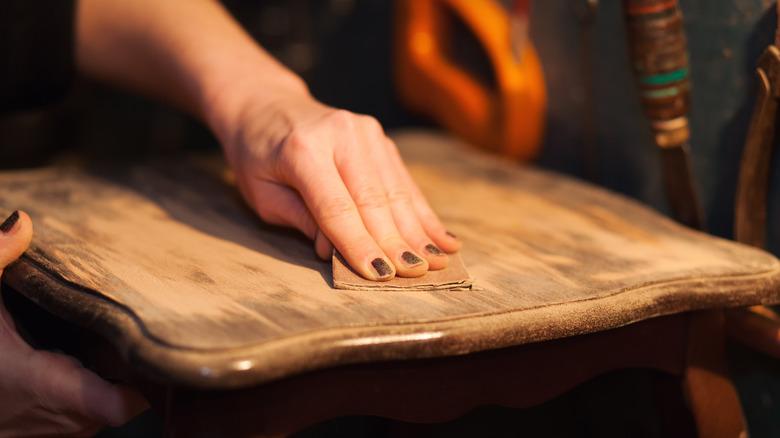
Aerogondo/Getty Images
Peeling back the layers of an old piece of furniture to reveal the beautiful wood underneath is one of the most rewarding parts of my job. I’ve been refinishing and restoring furniture for the past 6 years, turning forgotten garage finds into pieces people want to show off in their homes. What started as a hobby has grown into selling my work online and at a local antique mall. Through all those projects, I’ve learned that the secret to a perfect finish is using the right tools for the job.
I’ve spent a lot of time perfecting my process so every piece I work on is both durable and beautiful. Handling everything from mid-century buffets to Arts and Crafts desks has taught me that each item requires its own approach. While I do my best to minimize any imperfections, the charm in old furniture often comes from its history and character, not a flawless, factory-new look.
Use the right tools for stripping furniture to avoid damaging the wood

The biggest mistake some inexperienced refinishers make is trying to force a tool to do something it wasn’t designed for, which often damages the piece. Learning the right tools for the job is key to avoiding more work down the line. The specific tool you choose depends entirely on the material and shape of the furniture you’re working on.
For flat, wide surfaces like a tabletop, a sturdy metal scraper is great for quickly removing softened finish. On delicate pieces with thin veneer or soft wood, I switch to a plastic scraper to avoid gouging. Brass-bristle brushes are perfect for recessed details, pulling out old finish or paint without being too aggressive. Nylon brushes are gentler for fine carvings or fragile areas. And I keep different grades of steel wool on hand to scrub away any remaining bits.
Choosing the wrong abrasive can leave scratches that become obvious once you apply a fresh stain. Selecting the right tool for every curve keeps the wood in great shape for the next steps.
Successful furniture stripping requires patience and proper chemical application

Werayuth/Getty Images
I’ve learned that the chemical stripper should be doing most of the work, so I don’t have to use a lot of elbow grease to remove it all. I apply a thick, generous coat and let it sit for around 20 minutes to dissolve the old finish or paint. Trying to scrape the surface before the chemical has had time can create a gummy, difficult mess that can actually damage the wood fibers.
If the first coat doesn’t remove everything, I’ll apply another. I mostly use gel chemical strippers, but sometimes I’ll use denatured alcohol, acetone, or lacquer thinner for specific finishes. After the old finish is gone, I always use 0000 steel wool and mineral spirits or a neutralizer to wash away every trace of the stripper. Skipping this can prevent the new finish from adhering properly, even after sanding. Safety is also key – I always work in a well-ventilated area and use gloves, goggles, and a mask.