

Shebeko/Shutterstock
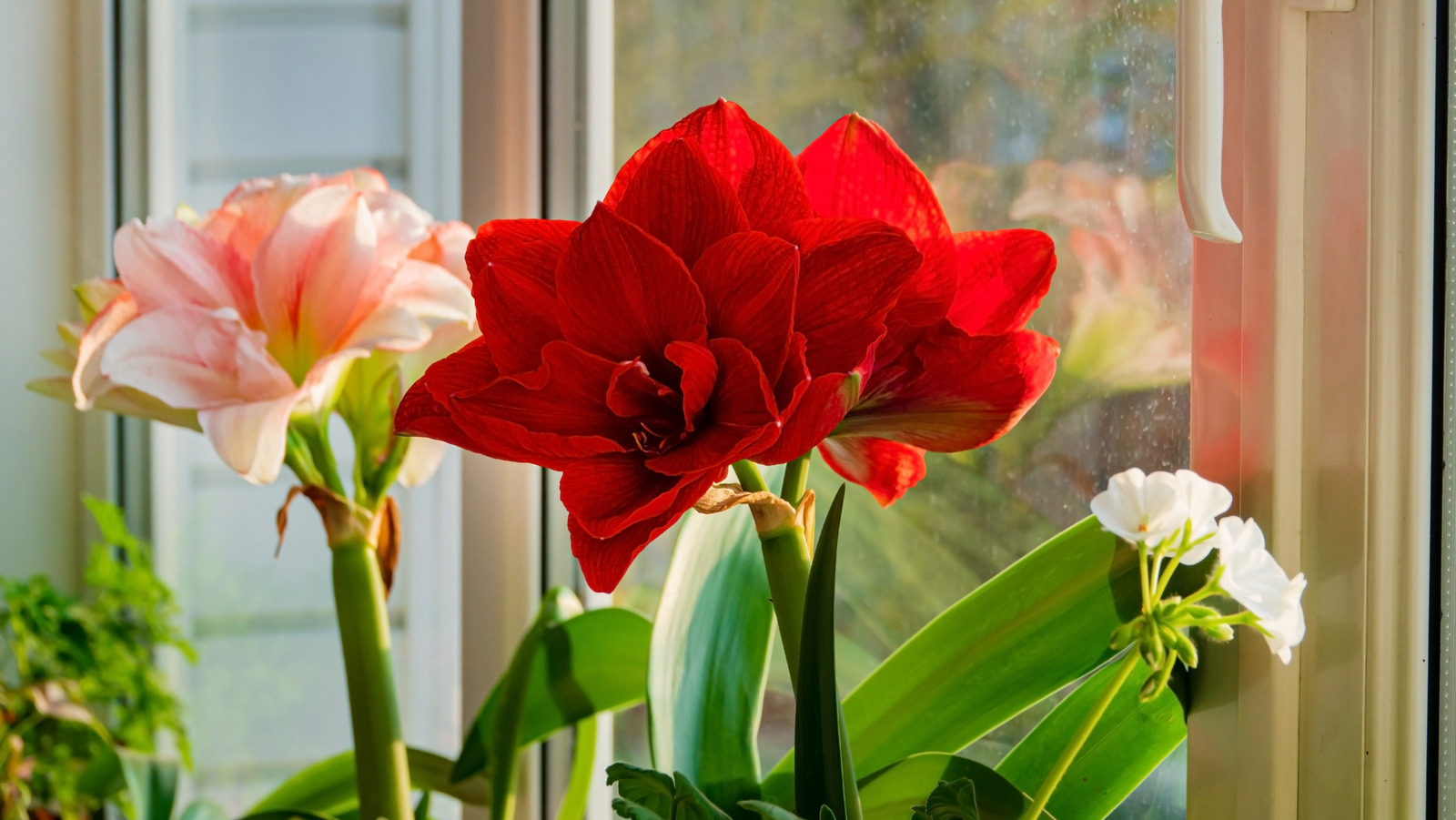
Amaryllis plants are really eye-catching flowers that bloom beautifully indoors, especially around the holidays. There are so many stunning varieties – the colors and patterns are incredible. These tropical plants can have flowers ranging from a modest 4 inches wide to a huge 10 inches across. With the right care, your amaryllis bulbs will keep flowering for years. But accidentally overwatering is a common mistake that can really mess with your plant’s health and lifespan.
To keep your amaryllis happy and thriving, you’ve gotta nail the watering. Too much water, even by accident, or letting the bulb sit in soggy soil for too long can lead to all sorts of problems. The bulb can start to rot, grow mold, get diseases like fungal infections, and even attract pests like fungus gnats. If your plant is wilting or the leaves are turning yellow too soon, that’s a sign you’re giving it too much H2O. You might be able to save the bulb, but if you don’t act fast or let it sit in a waterlogged pot for a while, your amaryllis may not make it.
The basics of watering an amaryllis correctly
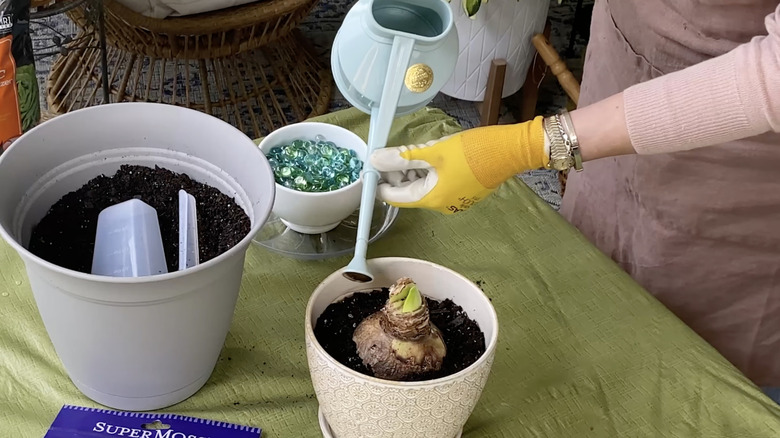
While amaryllis are often considered pretty low-maintenance, getting the watering just right is key to their success. Before you even bring your plant home, you need to check the moisture. You can buy amaryllis bulbs that are bare or already potted up. Either way, make sure the bulb is firm, dry, and free of any signs of damage or disease. Look for a big bulb that’s already starting to sprout – that’s a good sign it’ll produce lots of stalks and blooms. When choosing a pot, go for a tall, narrow one with plenty of drainage holes and make sure the mouth is about an inch wider than the bulb’s thickest part.
Use a well-draining, nutrient-rich potting mix when planting your amaryllis. Put the bulb in the pot, leaving a third to half of the top exposed. Water it thoroughly right away, letting the excess drain completely. Keep up this watering routine throughout the sprouting and flowering stages, but only water when the top 2 inches of soil feel dry. If you spot any signs of overwatering, carefully take the bulb out of the pot, trash the soil, cut off any icky parts, and treat it with fungicide or diluted peroxide. Repot in fresh soil and keep a close eye on it as it recovers.
Related Posts
Grow These Herbs Next to Catmint to Attract More Pollinators
ncmirfro/Shutterstock If you’re a big fan of how catmint (Nepeta spp.) attracts bees, butterflies, and…

Boxwood Plant That Handles Heat Better Than the Compact Kind
Paul Maguire/Shutterstock Boxwoods (Buxus spp.) are a beloved evergreen hedge, with low-maintenance care and a…
Garden Stuff That Can Hurt Selling Your Home
Wow, a lush garden full of exotic plants is definitely a eye-catcher for potential home…