

22, 2026 12:30 pm EST
 Budimir Jevtic/Shutterstock
Teslas are pretty sweet rides. With the instant power, sleek look, fewer moving parts, and the promise of lower fuel and maintenance costs, they’re really appealing, especially as a fun retirement treat after all those years of hard work. But there are a few things retirees should know before taking the Tesla plunge.
First off, Teslas don’t hold their value that well. The company is always adjusting prices, so your shiny new Tesla might lose a big chunk of its value pretty quickly. Plus, electric cars in general tend to depreciate faster than gas-powered ones. So that Tesla you thought would be a good investment could end up being more of a financial headache.
Another thing to watch out for is the insurance. Turns out Teslas cost a lot more to insure than your average car – about 60% more on average. That’s a big chunk of change, especially for retirees living on fixed incomes from Social Security or pensions.
Repairs can also get pricey. Since Teslas are high-tech, software-heavy vehicles, you pretty much have to use Tesla’s own repair shops and parts. And some repairs, like replacing the battery, can cost thousands. Routine maintenance like tire changes can add up too.
The upfront cost of a Tesla is also something to consider. Even the “budget” Model 3 starts around $37,000, which is a lot for a retiree’s budget. Plus, you’ll need to factor in the cost of installing a home charging setup.
Finally, the super techy, minimalist design of Teslas might not be for everyone, especially older drivers. The touchscreen controls and constantly changing software can be a headache to get used to, and make it tough for some retirees to feel comfortable and familiar with their car.
1. Depreciation and price volatility
 Chris Allan/Shutterstock
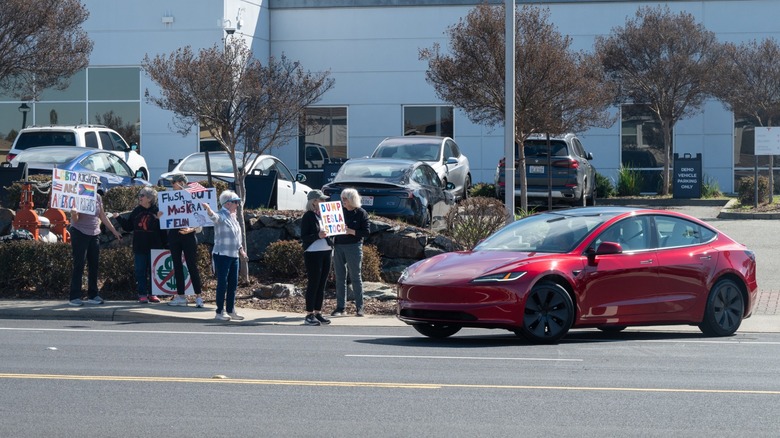
As a retiree, you want a car whose value stays nice and stable. But Teslas are kinda the opposite of that. Tesla’s famous for constantly adjusting their prices, sometimes by a lot. Like in 2023, when they cut some models by over 25% in just a few months. When the company does that, the used market usually follows, and your Tesla’s value can plummet just as fast.
Plus, electric cars in general tend to lose their value super quickly compared to gas-powered ones. It has to do with the limited lifespan of the batteries. So your Tesla could end up being worth way less than you paid for it, a lot sooner than you expected.
And let’s not forget that Elon Musk’s antics add another layer of volatility to Tesla’s resale value. You never know when his latest controversy might affect things.
2. Higher-than-average insurance prices
 snaptheframe/Shutterstock
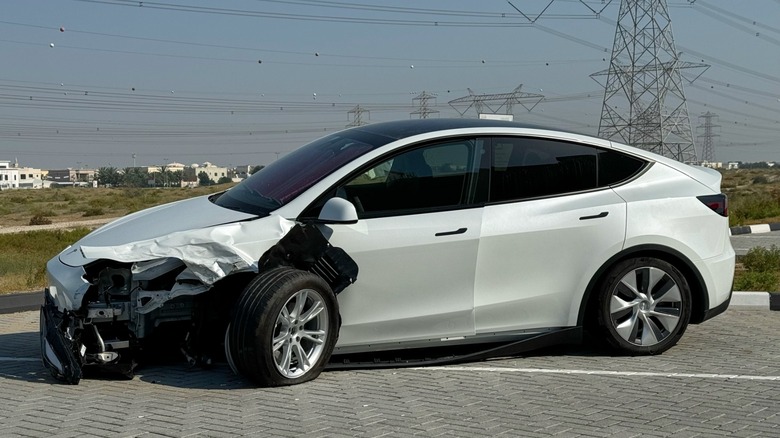
Insuring a Tesla costs a lot more than your average car – about 60% more on average. The reason is the high repair costs. Electric vehicles, especially high-tech ones like Teslas, are just more expensive to fix.
Now, for a lot of people that’s not a huge deal. But for retirees living on a fixed income from Social Security or a pension, an extra $1,400 per year on car insurance is a big deal. That’s money that could be going towards other important expenses.
And the insurance costs might even go up as you get older, since that’s when insurance tends to get more expensive. So that Tesla you thought would be a money-saver could actually end up costing you a lot more than you bargained for.
3. Expensive repairs and hidden costs
 Frank Briend/Shutterstock
One of the big selling points of Teslas is supposed to be the lower maintenance costs. No oil changes, brake pads that last forever, that kind of thing. But the reality is a bit different, especially for retirees.
First off, Tesla repair costs are through the roof. Since they’re such high-tech vehicles, you basically have to use Tesla’s own repair shops and parts, which are super expensive. And things like battery replacements can cost $15,000 to $22,000 out of warranty – ouch!
Then there are all those hidden little costs, like Tesla’s subscription services and more frequent tire changes. They may not seem like a big deal individually, but they can really add up, especially on a fixed retirement budget.
So while a Tesla might seem like a maintenance-free dream car, the reality is there are a lot of potential money pits that could catch retired owners by surprise.
4. Relatively high upfront purchase price
 Jetcityimage/Getty
The average price for a new Tesla in 2026 was over $52,000, compared to just under $50,000 for the overall car market. And even the “budget” Model 3 starts around $37,000 before taxes and fees. That’s a lot of cash, especially for retirees living on fixed incomes.
In fact, that $52,000 Tesla represents about 2 full years’ worth of the average Social Security benefit! Plus, you’ll need to factor in the cost of installing a home charging setup, which can run you an extra $800 to $3,000.
Sure, there are federal tax credits that can help offset the price, but they have income limits and other restrictions that may not benefit all retirees equally. So that high sticker price is definitely something to think hard about if you’re on a fixed retirement budget.
5. Tech-oriented and minimalist design removes familiarity and stability
 Alexander Shapovalov/Getty
Tesla’s interiors are pretty futuristic, with everything controlled through a big central touchscreen. But for some older drivers, that can be a real pain point. All those menus and constantly-updating software features can be tough to get the hang of.
In fact, research shows that as we get older, it gets harder for us to interact with those high-tech infotainment systems without getting distracted from the road. That’s definitely not ideal, especially for retirees who may not be as tech-savvy.
Plus, with Tesla constantly tweaking things through software updates, the interface you learn today might not even be the same in a few months. That lack of familiarity and stability can make the driving experience feel unsettling for some older owners.
So while the sleek, minimalist Tesla design may appeal to some, it could end up being a big headache for retirees who just want a straightforward, reliable car that doesn’t require a computer science degree to operate.