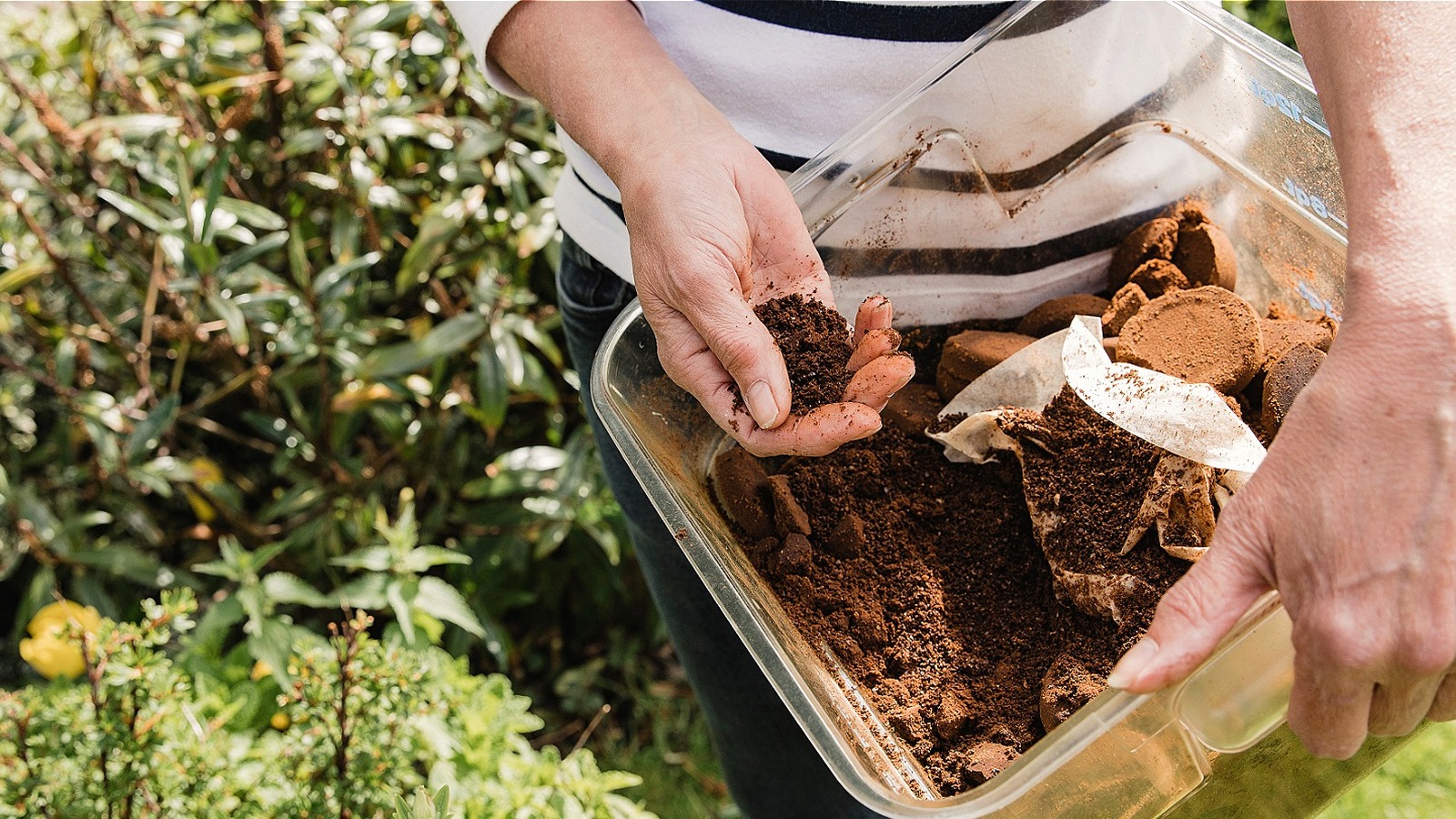
Sure, coffee grounds have become all the rage for sprucing up your soil and giving it some love, but here’s the thing—they’re not your only kitchen scrap option. Turns out, vegetable peels might be even better for giving your plants what they’re craving. A 2025 study published in IJERT shows that vegetable peels are loaded with the good stuff plants actually need: macronutrients like nitrogen, phosphorus, and potassium, plus smaller amounts of iron, manganese, magnesium, and zinc. On top of that, they bring vitamin C and calcium to the table too. These kitchen scraps also release antioxidants into the soil while adding that rich, organic matter plants love. Instead of throwing them away, hang onto your onion and carrot peels along with others. While composting is probably the go-to method for turning vegetable peels into fertilizer, it’s not the only game in town—you can whip up liquid fertilizer too.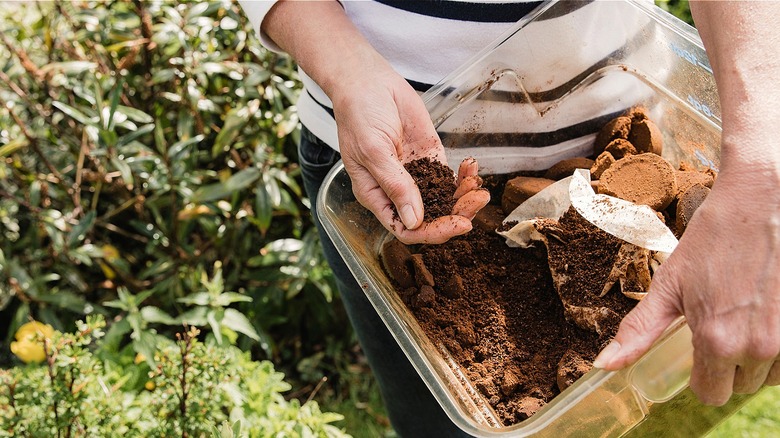 false/Shutterstock
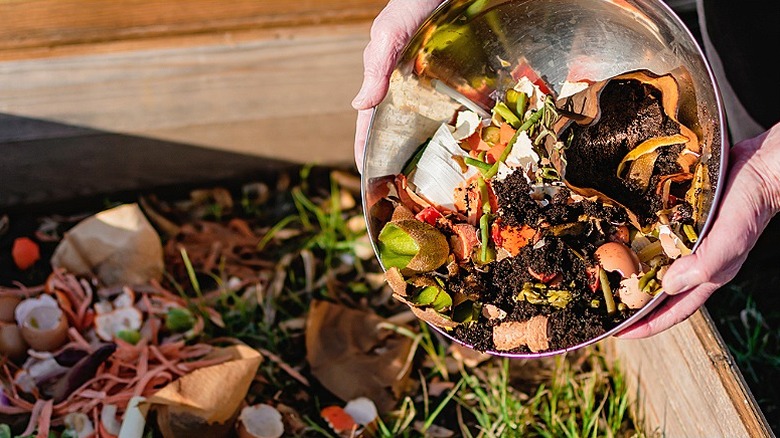
Tossing vegetable peels into your compost
 Reflexpixel/Shutterstock
 The best vegetable scraps to toss in your compost pile are the ones you’d probably guess: potato, onion, carrot, and tomato peels (yeah, tomatoes count as both fruit and veggie). Avocado is another solid choice.
Okay, so avocados aren’t technically vegetables—though plenty of people treat them like one—but those avocado berries are total compost superstars. They’re packed with potassium, magnesium, and calcium, plus they’ll bring some nice variety to your pile’s greens. Fun fact: if you’re into vermicomposting, red worms actually love using avocado skins for breeding and nesting spots.
You don’t really need to worry about which vegetable peels to avoid for compost, but do pay attention to how much you’re adding. Vegetable peels fall into the “green” group, which are nitrogen-heavy. “Brown” materials are the carbon-rich ones. You’re aiming for a mix that’s roughly 75% to 80% brown and 25% to 20% green. When you add your veggie peels as part of your greens, just keep an eye on the balance so it doesn’t get out of whack.
No fancy composting setup? No problem. Try the trenching method instead. Skip the pile and turning—just dig a trench 8 to 15 inches deep in your garden and add your scraps right there.
Making liquid fertilizer from your veggie scraps
 Hendri kumbang/Shutterstock
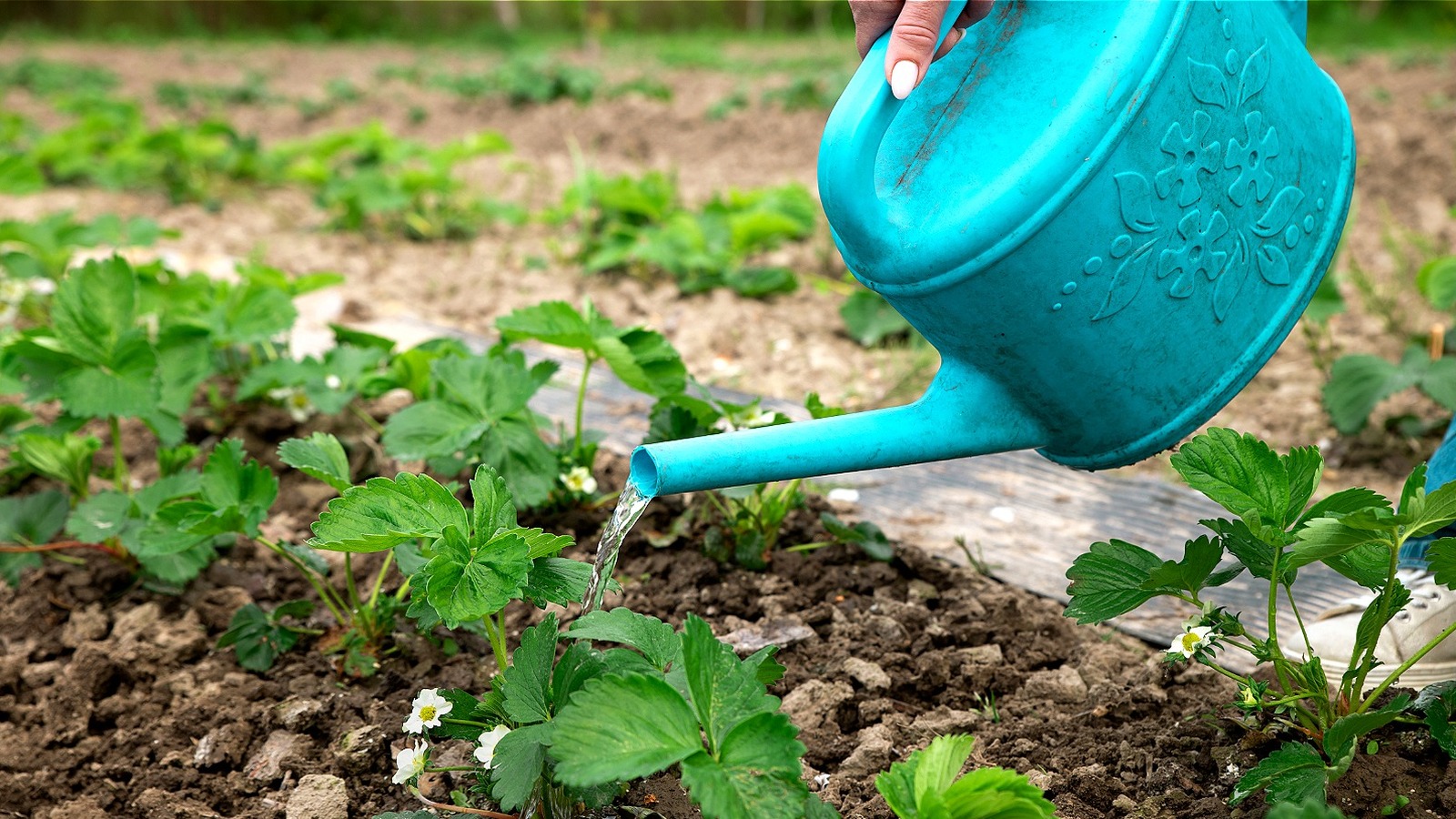
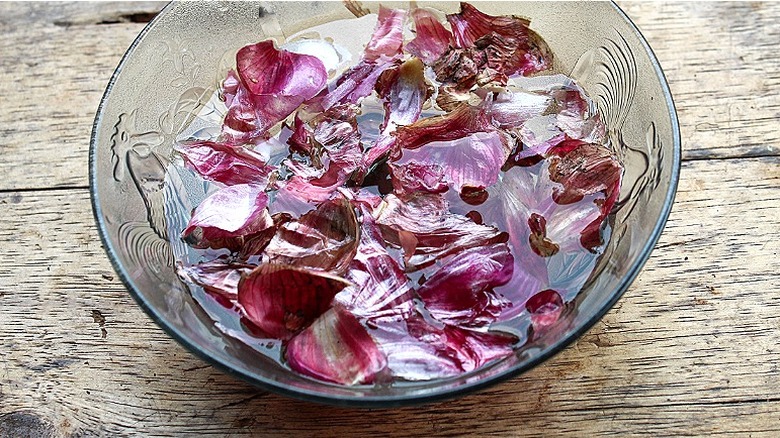
 If composting’s not your thing, try brewing up some homemade liquid fertilizer from your veggie peels instead. Once you’ve made it, just water your plants with it like you normally would. The whole process takes about a week.
Here’s how: dump your scraps into a container like a bucket and fill it with water. Then loosely cover the container—you want some air to flow through, not a tight seal like you’re fermenting something. The loose cover still keeps pesky fruit flies out of your nutrient-rich water. Let the scraps soak for five to seven days.
Once you’re ready, strain out the liquid from the scraps. Then water down your liquid fertilizer with more water. Use a ratio of one part fertilizer to five parts water. If the concentrate is super thick, bump it up to a 1:10 ratio instead. After that, just use it in place of your regular watering routine. (And while you’re at it, check out which other plants might benefit from it too.)