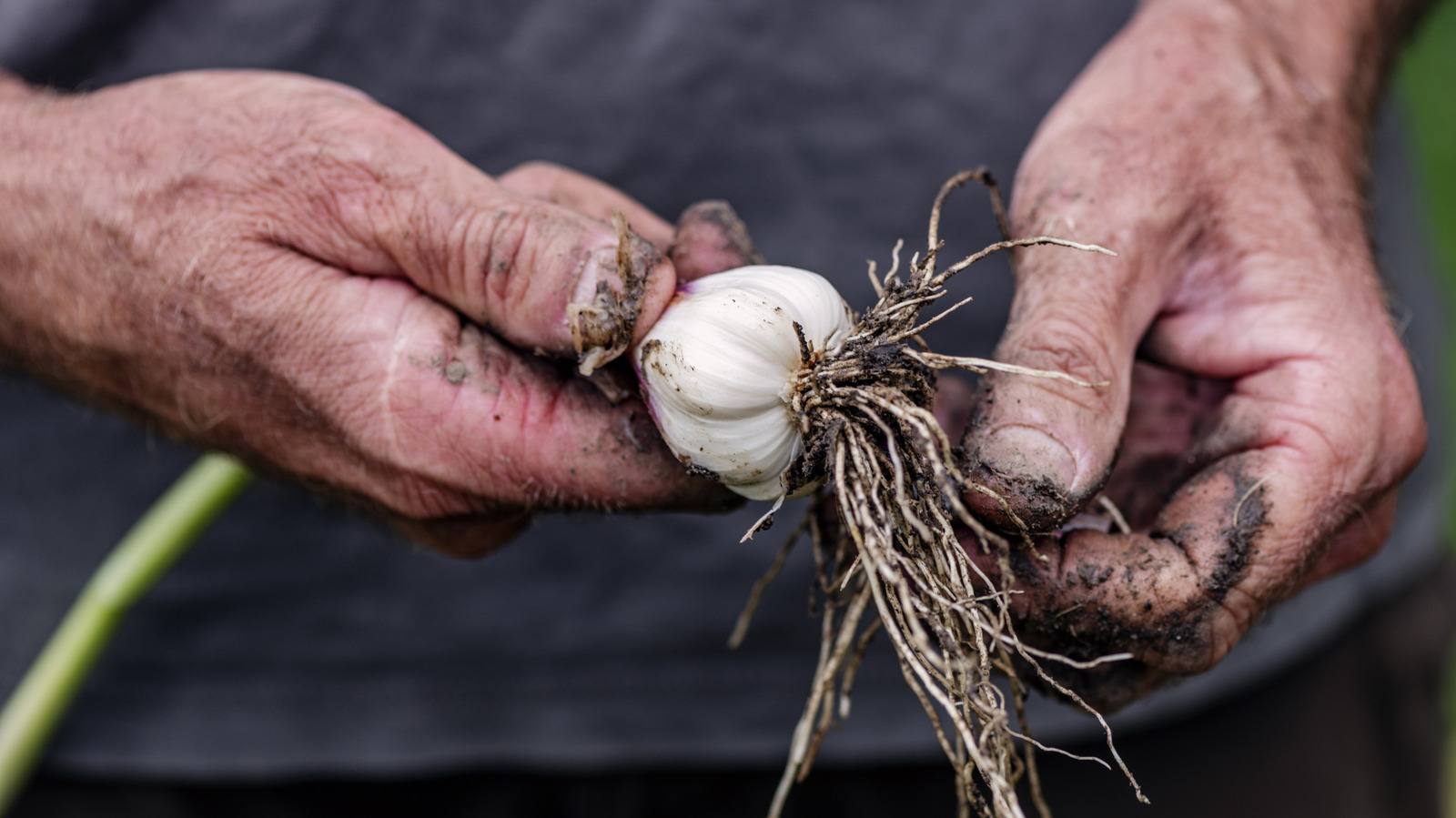
I’m a big fan of using garlic (Allium sativum) as a companion plant. Honestly, I grow all kinds of edible alliums in my food gardens because they’re super practical — I can actually harvest them — and they keep all sorts of nasty pests away. Garlic works great alongside strawberries, leafy greens, and root crops. But here’s the thing — throwing just one companion plant at your garden and hoping it’ll work out isn’t really the way to go. After more than twenty years of professional gardening and permaculture growing, I’ve learned that the best companion planting involves mixing multiple species together for optimal results. When I’m growing leafy greens and a bunch of other veggies, I like to throw white clover (Trifolium repens) into the mix. Plenty of gardeners spend tons of time fighting white clover in their lawns and flower beds, but I actually use it as a living mulch that helps the plants around it grow better. And at the end of the growing season, when I cut it down, it breaks down fast and feeds the soil back. It’s seriously effective as a living mulch — it spreads into a nice thick carpet between your plants. Once it blooms, it brings in tons of pollinators. You don’t really need those for your leafy greens, but they’re gold for the rest of your garden. That said, while it’s totally safe in my area, white clover is considered invasive in a handful of states — Oregon, Wisconsin, Kentucky, and West Virginia included — so definitely check your local rules before you plant it in your garden. Clarkandcompany/Getty Images
Why white clover is awesome for your leafy greens
 Suyun Zhang/Getty Images
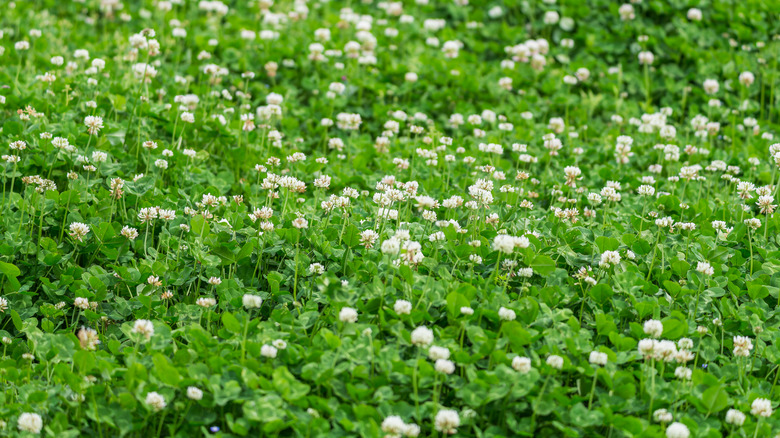
 Yeah, there are tons of low-growing ground covers out there, but I go with white clover because it’s simple to grow, stays short, brings in pollinators, kills weeds, and holds moisture like a champ. Plus, here’s the real win — white clover is a nitrogen fixer. That basically means it’s got a special relationship with certain bacteria in your soil. These bacteria attach to tiny nodules on the clover roots and convert nitrogen from the air into a form that the clover can actually use. When the clover breaks down, all that nitrogen gets released right back into the soil. That’s huge for leafy greens since they’re nitrogen hogs and need a steady stream of it to produce the best harvest. The bacteria get fed by the clover roots in return — pretty neat deal, right?
That thick, fast-growing blanket of white clover is also fantastic at fighting weeds naturally, keeping bad ones like stinging nettles in check so your leafy greens can thrive. While it’s burying weeds and stopping their seeds from sprouting, the white clover is also protecting your soil from heavy rain runoff, wind damage, and the sun drying everything out. It’s really good at keeping things moist and cool underneath. The root system spreads out too, which helps hold the soil together — great if you’ve got an erosion problem in your garden beds. Basically, white clover is an easy, smart swap for other mulching options like wood chips or aged manure, and it just keeps on giving to your soil both while it’s growing and after you chop it down.
How to grow and manage white clover as a companion plant
 Tanja Esser/Shutterstock
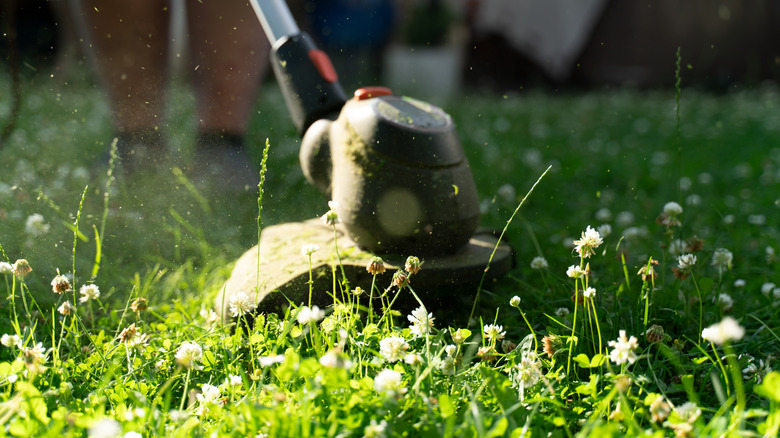
 White clover is super easy to grow. Just sprinkle the seeds lightly where you want them, and be ready to thin out the seedlings once they come up. They’ll take off pretty quickly and start forming mats. Since they spread so fast and so well, you’ll want to trim them back regularly and stop them from dropping seeds everywhere. You might also want to put root barriers around your bed edges so the clover doesn’t escape and spread into other parts of your garden.
Make sure your leafy green seedlings and cabbage are a few inches tall before you sow the clover so they don’t get overpowered. I also suggest pulling the clover back from the base of your plants regularly — you don’t want the stems of your greens getting smothered or staying too wet. If things get too wild, the plants are cool with being mowed once they’re going strong. Just try to avoid mowing while it’s flowering since the pollinators need that food source. When you’re planting your leafy greens, plan ahead and give yourself enough space between plants and rows so you can actually fit a mower or trimmer through when everything’s fully grown. Once you’re done harvesting, cut the white clover as close to the ground as you can and let all that chopped plant material break down into the soil.