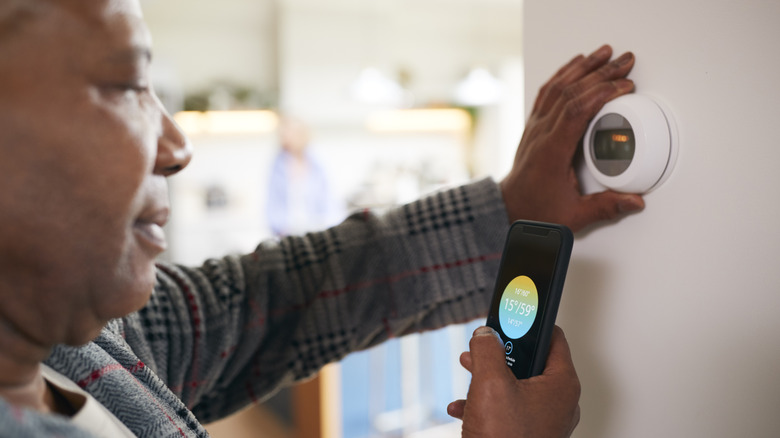
Even when those brutal winter storms hit, a sky-high energy bill is enough to make anyone’s palms sweat. Looking to dial back your electricity usage? Switching to a smart or programmable thermostat could be just what you need. Plus, both of these options save you from having to constantly fiddle with your temperature settings all day long. That said, smart thermostats tend to win out when it comes to actually saving you energy and money. We’re about to break down how smart and programmable thermostats stack up against each other for energy savings. But let’s start with the basics. The good news? Both types let you set your heating and cooling to run automatically at different times throughout the day. The catch with programmable thermostats is that you’ve got to set up those schedules yourself. Picture this: you bump up the temperature when you wake up in the morning, then cool things down again before you get home from work. Smart thermostats work differently. They actually learn your daily patterns and keep tabs on what’s happening inside and outside your place. Using all that info, they tweak your temperature automatically — which means you save electricity (and cash) without lifting a finger. These WiFi-enabled devices also come with apps for your phone, letting you check your energy use and find more ways to trim your bills.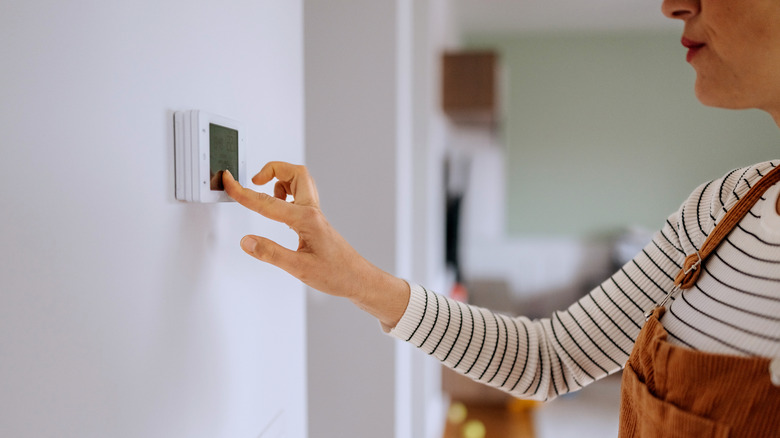 Pekic/Getty Images
Smart Thermostat vs Programmable: Which One Saves You More Money?
Smart thermostats deliver better savings, but there are some catches
 Monkeybusinessimages/Getty Images
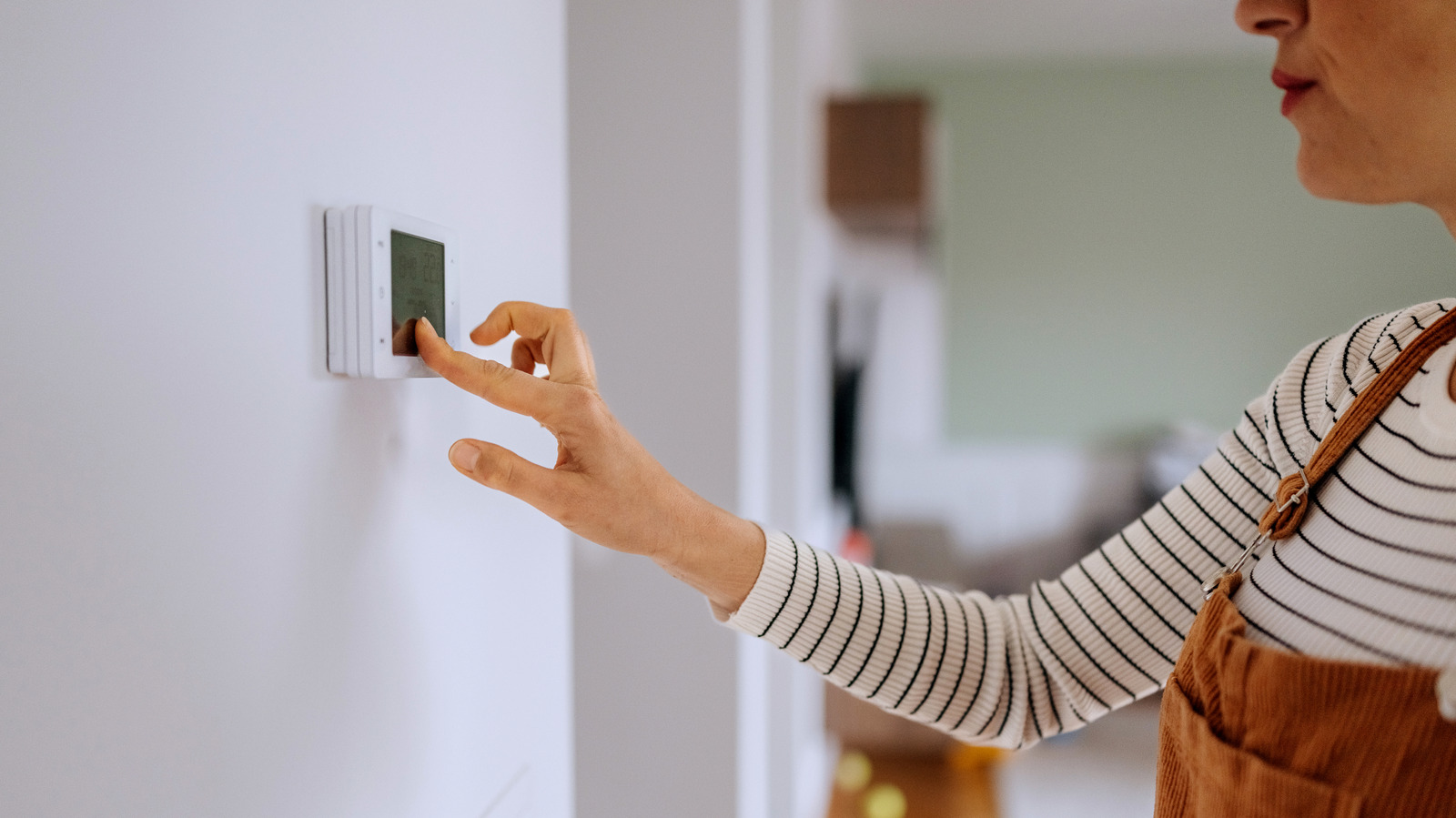
 If you’re the type to stick with setting your programmable thermostat schedules and actually follow through, you can trim up to 10% off your utility bills. But here’s the thing — it’s way easier said than done. Research shows that about 17% of programmable thermostat owners never even bother using the scheduling features. And there are other issues that pop up regularly. Maybe you forget to update the schedule when you head out of town, or you tweak the settings and never switch them back. Next thing you know, those savings have vanished. Smart thermostats, on the other hand, have shown they can save you an average of 12% on heating and 15% on cooling. Some utility companies report these savings can climb as high as 20%.
Here’s the flip side though: even though smart thermostats are packed with impressive features, it might take you a while to recoup that initial cost. Money-wise, the upfront expense matters. Smart thermostats run you anywhere from $130 to $300 just for the device itself. Programmable thermostats? They’re way cheaper at $20 to $150. And if you go the professional installation route for either one, you’re looking at tacking on another $65 to $100 per hour in labor costs.
One more thing to keep in mind: smart thermostats typically slip into energy-saving mode when you’re sleeping or away from home. So if you work from your house or have people around most of the time, you won’t get as many chances to save on electricity. In that situation, a smart thermostat might not give you much more bang for your buck than a programmable one would.