

Azmanl/Getty Images
In the past, starter homes were seen as a temporary stepping stone, often small, budget-friendly, and not in the best neighborhoods. But the definition is changing in 2026. These homes are now viewed as practical, long-term first purchases, with size mattering less than affordability, livability, and flexibility.
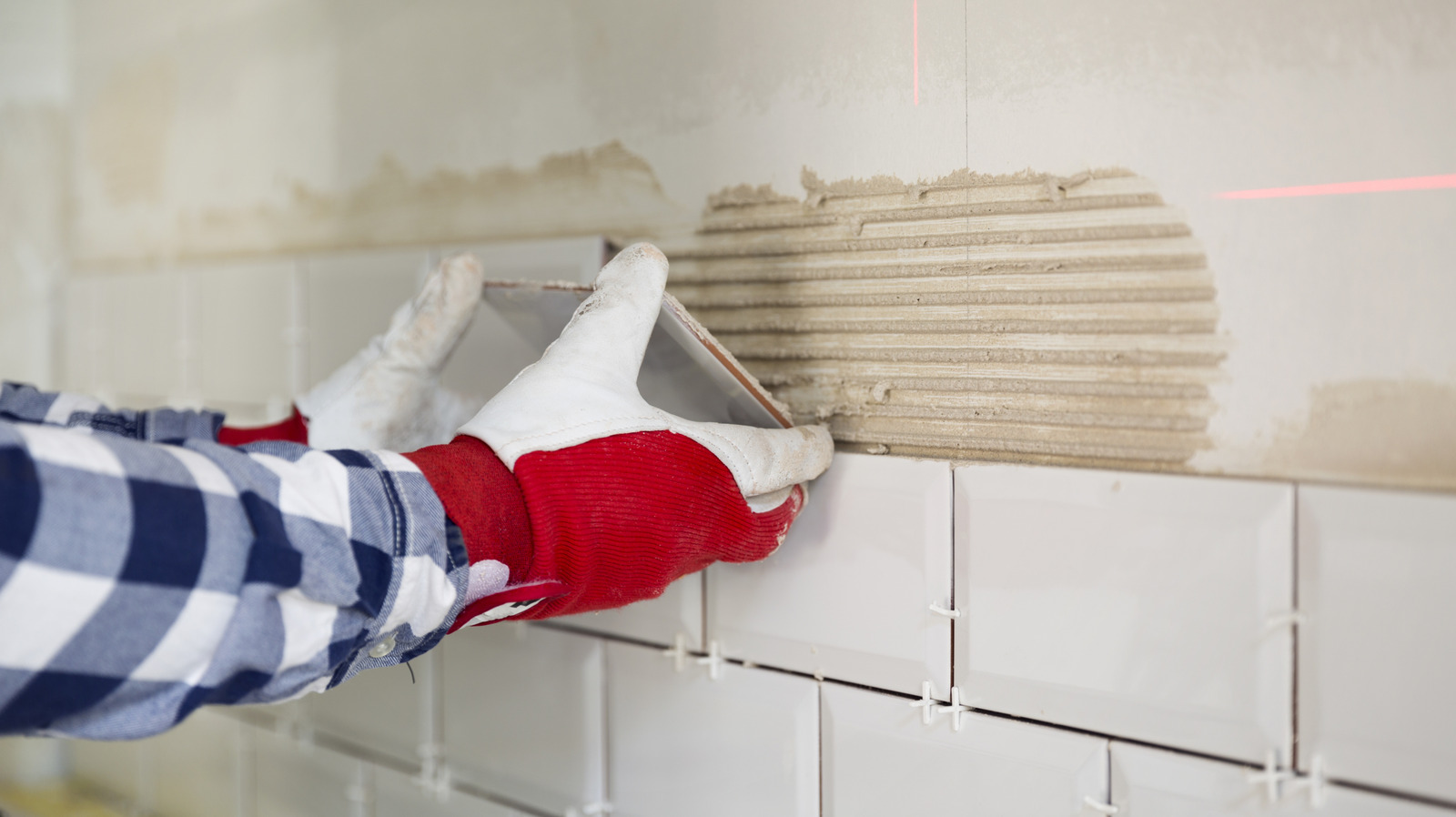
First-time buyers are approaching their purchase with the mindset of staying put longer, whether by choice or necessity. Starter homes can now include condos, townhomes, and duplexes, and buyers are more open to homes needing cosmetic updates, as long as the structure, systems, and location work for them.
Misconceptions first-time homebuyers have in 2026 about starter homes

fizkes/Shutterstock
First-time buyers often think they should wait for the “perfect” time to buy, when interest rates or prices are lower. But the reality is that market conditions vary, and waiting can mean missing out on opportunities that fit your budget and lifestyle. It’s better to act when you feel ready.
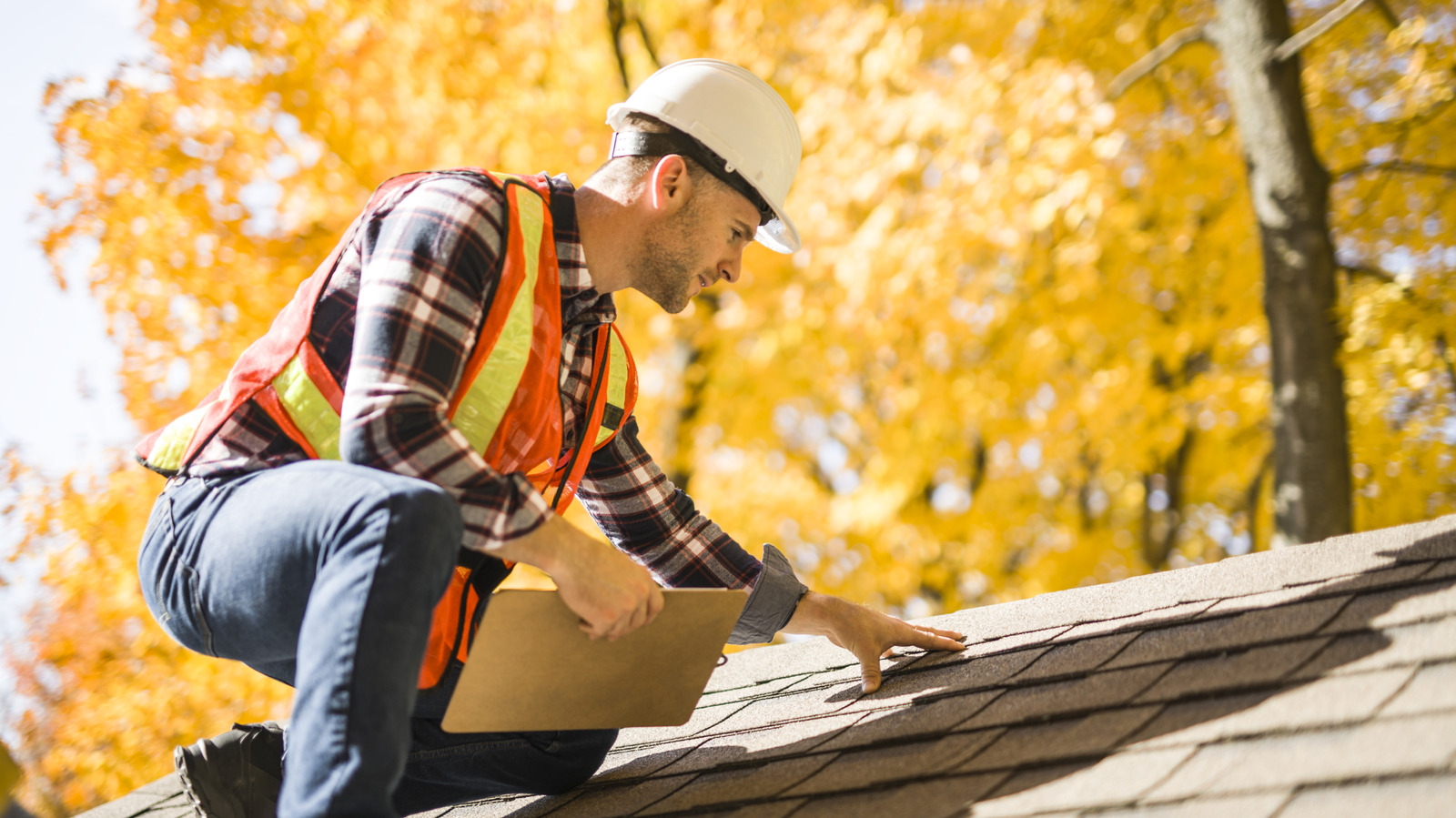
Another misconception is that newer homes mean lower ownership costs. In fact, new construction can come with higher taxes, HOA fees, and assessments. Older homes may require more maintenance, but can offer more predictable expenses and better long-term value.
Buyers also think buying a starter home locks them in, but in 2026 there are more options than ever, like renting out the property or refinancing if conditions improve.
Features modern homebuyers look for in a starter home

Winxclub/Getty Images
Today’s buyers want functional spaces that make small homes feel larger, like open or semi-open living areas. They also prioritize a home office or flexible work setup, even if it’s just a dedicated nook.
Energy efficiency is a big draw, too. Buyers care a lot about insulation, windows, HVAC systems, and appliances, because monthly costs matter more than ever when stretching to buy a first home.
Realistic expectations first-time buyers should have from their starter home

Ridofranz/Getty Images
Starter homes are compact by nature, with practical layouts and fewer formal spaces. Buyers may need to choose between space and proximity, with smaller homes closer to work or larger ones farther out.
Competition for well-priced, move-in ready starter homes will be fierce, so it’s important to have your finances sorted and know your must-haves. Look for a home that can adapt over time, not just one that feels perfect today.
In the end, a starter home is about building a foundation, not finding perfection. Be willing to compromise a bit, and focus on the home’s long-term potential rather than expecting it to check every box.