
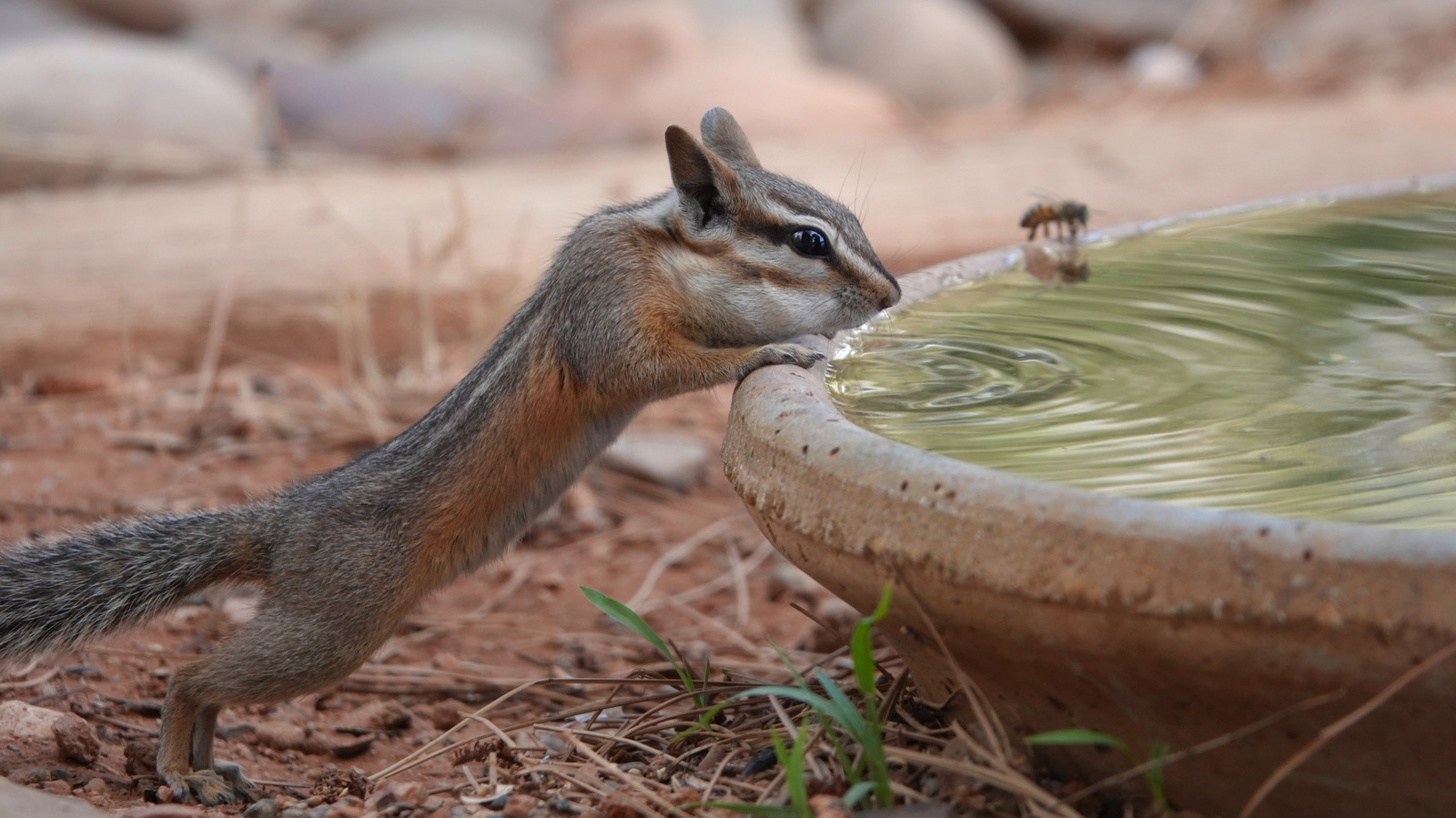
We may receive a commission on purchases made from links. Sure, chipmunks sitting up straight with their bushy tails curled behind them, quietly munching on acorns in their tiny paws, are absolutely adorable and totally Instagram-worthy. But that charm fades fast once you realize there’s a whole crew of them hanging out in your yard. These little guys wreck havoc on everything—seeds, seedlings, veggies, flower bulbs, and even structures like patios, foundation slabs, stoops, and retention walls. Nothing’s safe from their destructive path. Instead of going the cruel route with snap traps that break their necks, why not try using hardware cloth to keep chipmunks away from your yard? This approach pushes them to find somewhere else to live and lets nature take its course—they’ll still face their natural predators like coyotes and hawks. Plus, you’ll stay on the right side of state and local laws, since killing nongame wildlife is actually illegal in many places. Despite what the name suggests, hardware cloth isn’t actually fabric. It’s a super tough material made of welded or interwoven metal wire set up in a neat grid pattern. Unlike bird netting or chicken wire, this stuff is way more durable and can really stand up to weather and pests. But here’s the key: grab the kind with a ¼-inch mesh size so chipmunks can’t pry it open with their little claws. There are solid options out there, like ones that offer corrosion resistance. Simone Hogan/Shutterstock
How to use hardware cloth to discourage chipmunks
 Yng Pictures/Getty Images
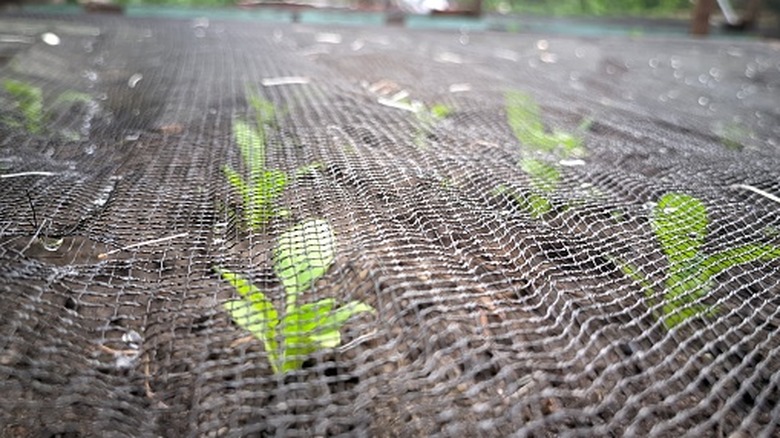
 Chipmunks do their foraging during daylight hours, hunting down seeds, freshly planted seedlings, or bulbs. They’ll also go after fruity plants like strawberries or your precious tomatoes, and every now and then they’ll eat leafy greens if food is running low. To keep your flower and veggie garden safe, just cover your plants with hardware cloth, making sure it stretches out about a foot beyond the garden bed edges on every side. Bury the wired mesh under some soil to keep it in place and stop them from burrowing underneath. Don’t stress—your plants will still poke through the mesh openings just fine, and bees can still do their pollination thing. Once your plants are full-grown, you can take the mesh off.
If you haven’t planted your in-ground beds yet, lay down hardware cloth first to block any underground tunneling. Chipmunks dig trenches about 10 inches deep that can stretch over 20 feet underground to stash their winter food supply. If you put the wired mesh about 2 feet down and cover it with soil, you’ll stop most chipmunks from popping up through random holes in your garden. Just make sure the cloth sticks out on the sides. For bulb plantings, you can do the same thing, or get creative and build an 8-inch-tall box from hardware cloth (it’s pretty bendy!). Pop your bulbs inside, cover them with compost and soil like normal, then plant the whole box in the ground.
Things to keep in mind when using hardware cloth to deter chipmunks
 Maryana Serdynska/Getty Images
 Sure, using blocking methods like hardware cloth really does work, but let’s be honest—it makes gardening a bit more annoying since you’ll have to maneuver around or squeeze through it to reach your plants. So get ready to work a little harder and be more careful.
Another thing to think about is money. Snap traps look cheap and simple, while covering the ground with hardware cloth feels like a massive undertaking, especially if you’ve got tons of plants to cover. But here’s the thing: according to experts, “Exclusion ends up being less expensive over time than trapping when you’re dealing with lots of chipmunks.” It also cuts down on the risk of accidentally hurting other animals or your pets. Plus, this approach has extra perks—it works against other pests too, like ground squirrels and voles.
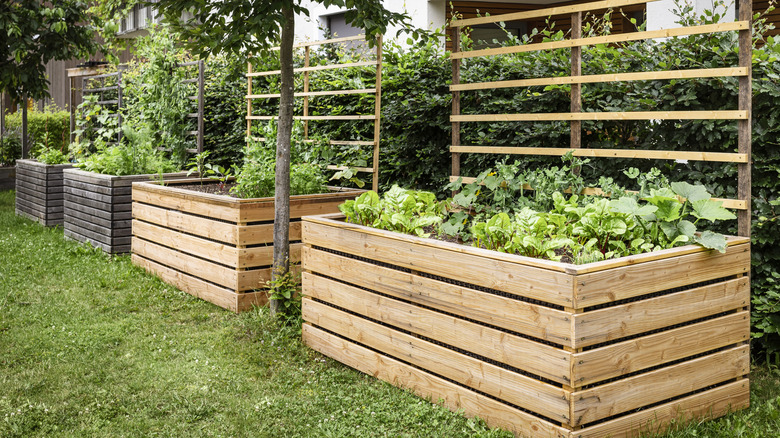
Finally, pair this tactic with some habitat tweaks for better results. Yeah, continuous greenery across your yard looks nice, but chipmunks use it as a convenient highway to zip around. Create some gaps between garden beds and space your plants away from hard surfaces like driveways and foundations so they won’t nest right next to your house and try to get inside. And don’t forget to get rid of any wood piles or yard junk that could give them shelter.


