
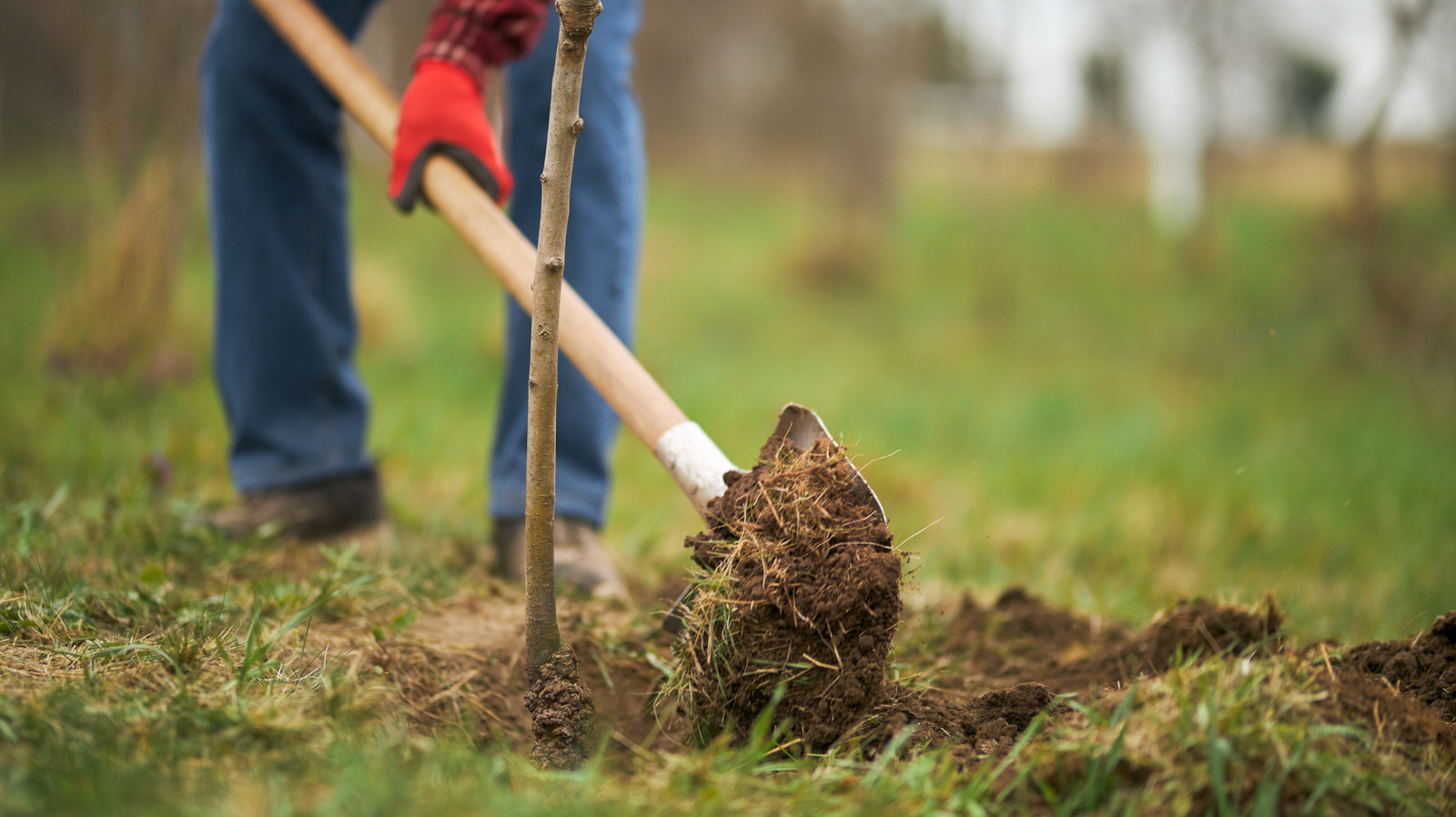
Hey there, gardening enthusiasts! Even though winter weather is still going strong, now’s the perfect time to start planning for those vibrant spring and summer blooms. February can be a great time to get certain perennials growing, thanks to something called cold stratification. This helps break the plants’ dormancy and kick-start their growth. All you gotta do is either sow the seeds outdoors or plant them in containers, and you’re on your way to a lush, colorful garden! These perennials are super versatile and reliable – they’ll keep coming back year after year to brighten up your yard and attract pollinators. If you live in a warmer region or your soil is already workable, you can get planting right away. Below, I’ve rounded up 17 different perennials you can start growing in February, along with all the details you need to get them established successfully. Halyna Bobyk/Getty Images
Black-eyed Susan
 Albina Yalunina/Getty Images
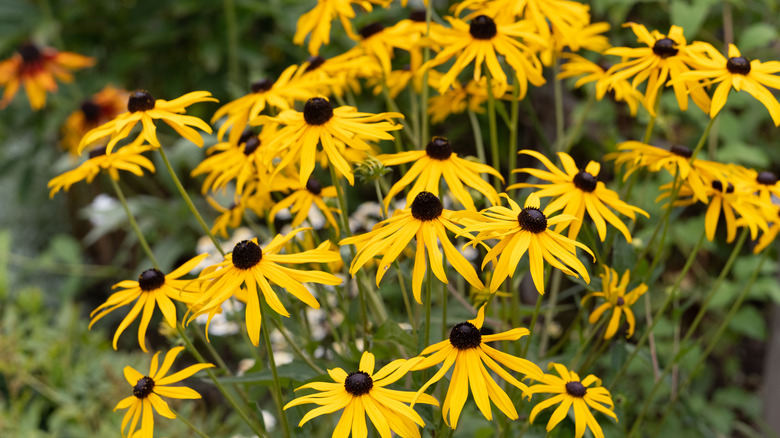
Black-eyed Susans (Rudbeckia hirta) are a cheerful, hardy perennial that can thrive in a wide range of climates, from Zones 3 to 9. Their bright yellow blooms pop up in summer and keep going strong into fall. You can even harvest the seeds to grow more! Just make sure to plant them about six weeks before your area’s last frost date, in a sunny spot with well-draining soil.
Purple coneflower
 Iva Vagnerova/Getty Images
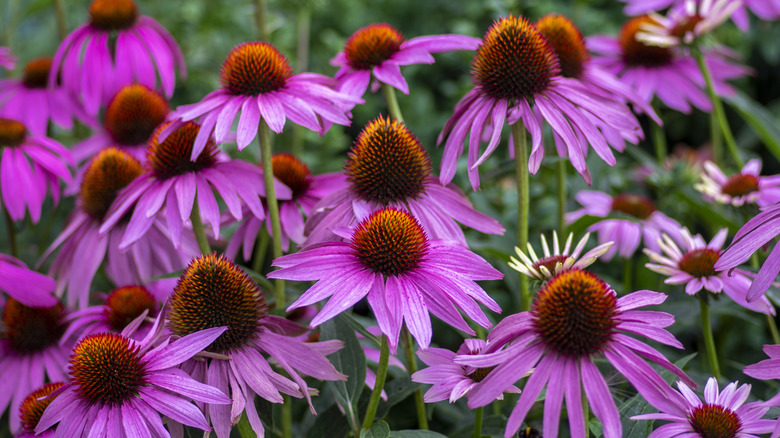
Purple coneflowers (Echinacea purpurea) are another stunning native perennial that’s hardy in Zones 3 through 9. The best time to plant them is actually in the fall, but you can also give it a go in February, especially if you live in a warmer area or want to try winter sowing in a container. Just make sure to give them full sun and well-draining soil, and leave some space between plants for good airflow.
Yarrow
 Irina Hodovanik/Shutterstock
Yarrow (Achillea spp.) is a tall, hardy herb with dainty flowers in shades of yellow, purple, and white. It’s super low-maintenance and will thrive in Zones 3 through 9 with minimal effort on your part. Just scatter some seeds in a sunny spot with well-draining soil, and watch this perennial come to life in spring and summer.
Lavender
 Flower_Garden/Shutterstock
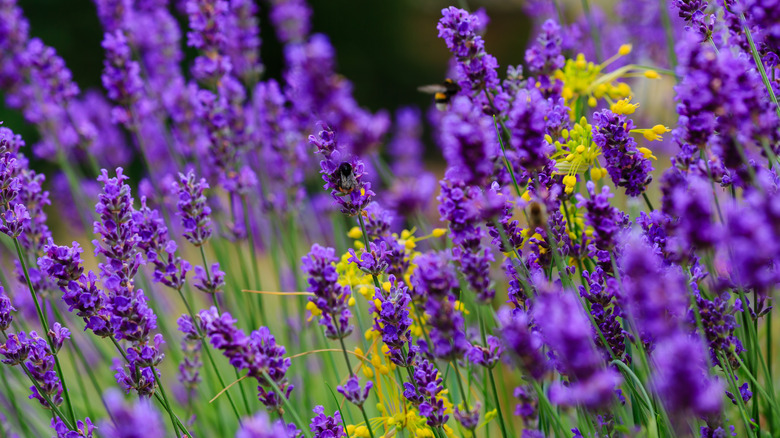
Lavender (Lavandula spp.) is a garden staple, with its signature purple blooms and amazing fragrance. It thrives in Zones 5 through 8, and you can grow it in planters or directly in the ground. Spring is the ideal time to plant it, but you can also get a head start in February if you live in a milder climate. Just make sure to pick a sunny spot with well-draining soil, and water your lavender plants thoroughly when you first get them in the ground.
Liatris
 Aleksandra MTL/Shutterstock
Also known as blazing star or gayfeather, Liatris spicata is one of those perennials that does best after a nice cold period. So if you live in Zones 5 through 8, late-winter sowing is the way to go for max blooms this summer. Just make sure to plant it in a sunny spot so those fluffy pink or purple flower spikes can really shine.
Blanket flower
 Sassy1902/Getty Images
Blanket flower (Gaillardia spp.) is a super hardy perennial native to North and South America, with those eye-catching red and yellow blooms that last for months. It can handle a wide range of climates, from Zones 3 to 10, making it a great option for February sowing. Just pick a sunny spot with well-draining soil and get those seeds planted once the threat of frost has passed.
Perennial sweet peas
 Yujie Chen/Getty Images
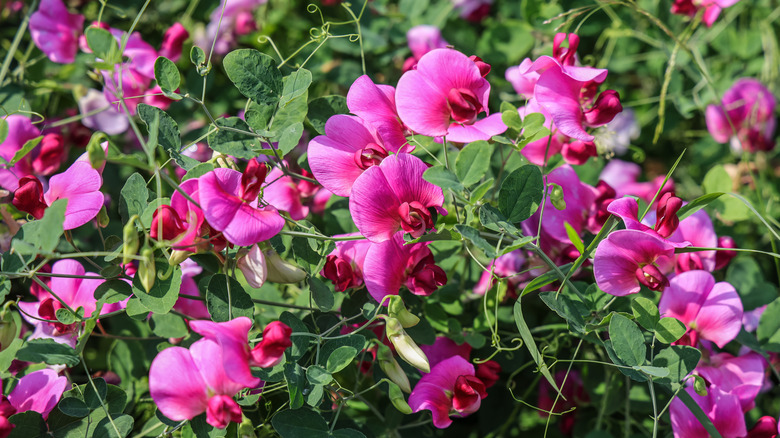
Perennial sweet peas (Lathyrus latifolius) may look delicate, but they’re pretty tough cookies. They thrive in Zones 4 through 8, and planting them in late winter or early spring can help them reach full height by the following fall. Just make sure to give them full sun and good drainage for those sprawling, colorful blooms.
Snapdragon
 Aimintang/Getty Images
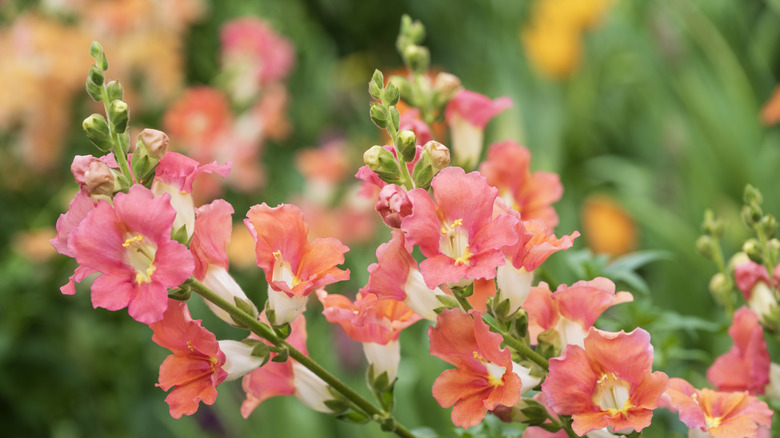
Snapdragons (Antirrhinum majus) take a while to grow, so getting them started early is key. In Zones 7 through 10, you can plant them directly in the garden in February. They can tolerate a bit of frost, and they love moist, well-draining soil. If you’re outside that hardiness range, you can still grow them as annuals.
Poppies
 Rubiophoto/Getty Images
Those bright poppies (Papaver spp.) are a great choice for February planting in Zones 7 through 10, since they take a while to germinate. They like full sun, but can tolerate a bit of shade. Just be sure to plant them in well-draining soil and water them generously as they get established.
Gladiolus
Related Posts
Transform Your Garden Into A Magical Oasis With Eco-Friendly Lighting
Creative_Bird/Shutterstock Garden lighting can be a bit of a letdown – it’s often harsh, artificial,…

Easy Way To Bring Owls To Your Garden
Nick Bossenbroek/Getty Images As a homeowner, keeping your lawn tidy is likely one of your…

9 Ideal Natural Stones To Build A Privacy Wall In Your Yard
ungvar/Shutterstock Retaining walls can do so much more for your yard than just giving it…