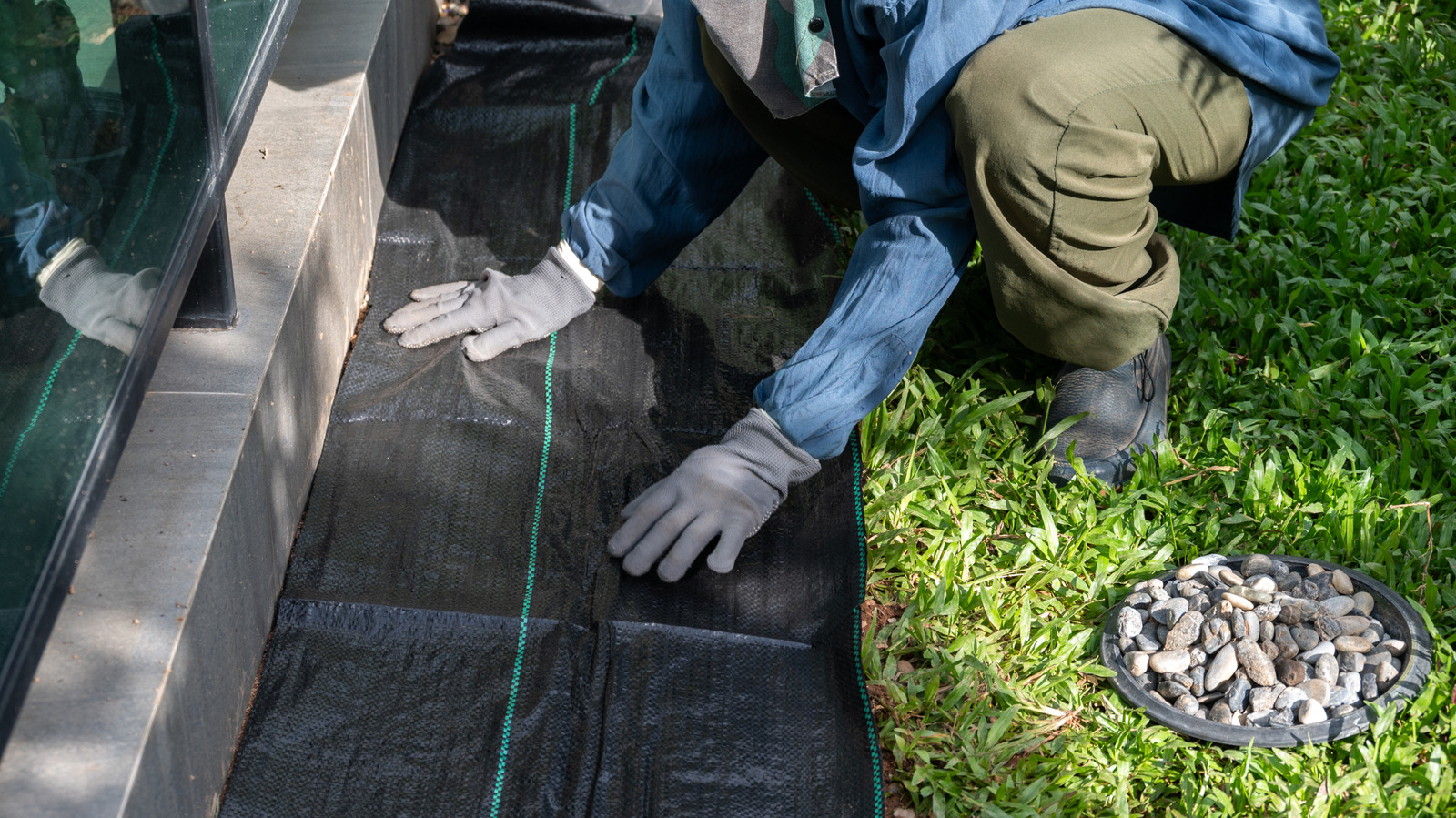
Landscape fabric is honestly one of the most overhyped products you’ll find at any garden center. After 20+ years doing this professionally, I can tell you that ripping out this stuff and removing it from beds and pathways is seriously my least favorite chore. And I’m not even just saying that because I’m into permaculture—I’d hate it no matter what. There are way better options out there. The reality is it just doesn’t work the way it’s supposed to. Within a season or two, it falls apart into tiny strips everywhere. Weeds still manage to poke through, and they get tangled up in the fabric, which makes removing both the weeds and the fabric a total nightmare. On top of that, it leaches microplastics into your soil as it breaks down, so you’re basically paying money to add a pretty useless pollutant to your garden. But here’s the thing—you still need something to keep those weeds under control. Especially if you’re putting in new beds or giving old ones a fresh layer of mulch. You’ve got tons of options to choose from, and the best part? There’s a fantastic free solution that most of us already have lying around: newspaper. Yep, that stuff in your recycling bin. It’s one of the easiest ways to do this. The technique is called sheet mulching, and it’s pretty straightforward. It works by blocking sunlight from reaching the weed seeds in the soil, so they never get a chance to sprout. Plus, it creates a physical barrier that takes weeds longer to push through. And as the newspaper breaks down, it adds organic matter back into your soil. Boyloso/Getty Images
Finding newspaper for sheet mulching
 Pixel-Shot/Shutterstock
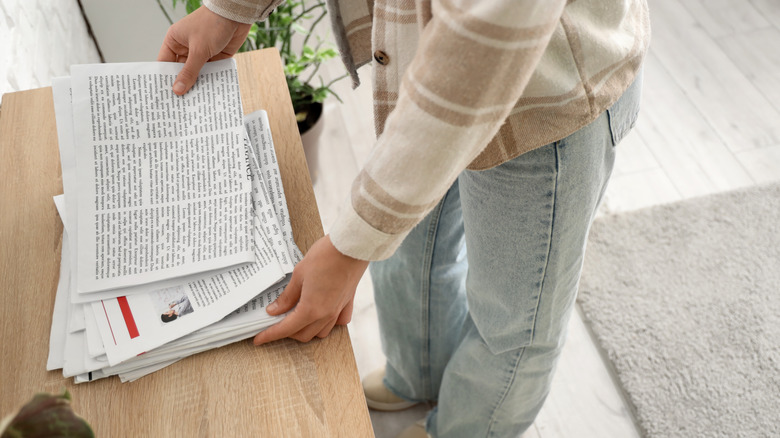
 A lot of people just grab whatever newspapers they have around and toss them down without thinking twice about what’s printed on them. Here’s the catch though—some older newspaper inks contain heavy metals that aren’t good for you and could end up in your soil. This is especially important if you’re planning to grow food. The good news? A lot of modern papers now use soy-based inks instead. Some folks say the heavy metal risk is way overblown, but honestly, I’d rather not take the chance. If I’m growing veggies or fruit, I skip newspaper altogether and use plain cardboard instead, which does the exact same job without any potential contamination worries. That said, for flower beds, I’m totally fine using regular black and white newspaper.
Before you rush outside with a stack of papers ready to go, here’s something important: you’re going to need way more than you think. Aim for at least six sheets thick as a bare minimum. Once it gets wet, it tears super easily, and if it’s too thin, weeds will just push right through without any problem. You need enough newspaper to really do the job, and make sure the pieces overlap so weeds don’t slip through any gaps. Overlap each edge by a couple of inches at minimum. Even a small bed will eat through a ton of newspapers. My best tip? Gather everything you need first instead of stopping halfway through to hunt for more. Can’t find enough on your own? Hit up your neighbors, family, or even local libraries, dental offices, and doctor’s clinics—most are happy to save newspapers for you to pick up.
Getting started with sheet mulching on a new or existing bed
 Kati Maria/Shutterstock
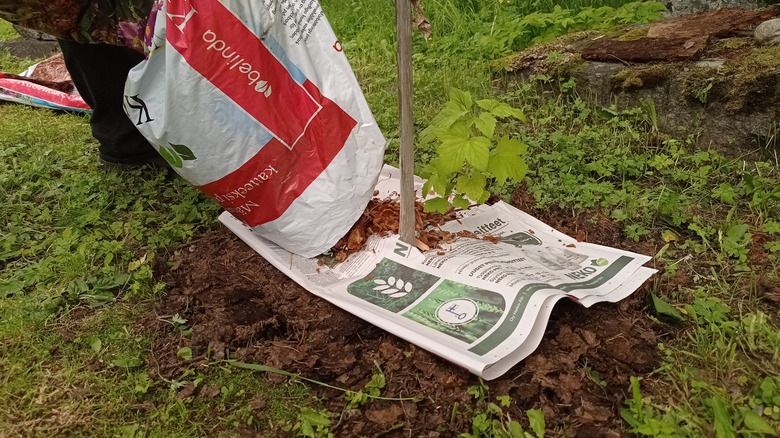
 Once you’ve got your big pile of newspapers ready, outline the space you’re going to sheet mulch. If it’s full of weeds, mow or trim it down. Get rid of any noticeable large seed heads and leave the rest of the trimmed weeds sitting on top—they just add another layer of weed blocking plus extra organic matter for your soil. If you’re setting up a raised bed, get your edges in place first. Then lay down your newspaper sheets so they overlap by at least 2 inches everywhere the edges meet. After that, soak the whole thing really well. Wetting the paper makes it softer and helps it stick to the soil better, which means it blocks light more effectively. It also keeps it from blowing away while you’re covering it up.
Next up, cover that wet newspaper with topsoil or mulch, depending on what you’re doing with the space. Try to get at least 3 inches of mulch or soil on top to really keep the weeds down. If you’ve already got trees or shrubs growing there, cut holes in the newspaper big enough so it doesn’t bunch up around their stems or trunks. Once the newspaper’s all set, just layer on your 3 to 4 inches of wood chips, straw, or whatever organic garden mulch you prefer.