Almaje/Getty Images
We may receive a commission on purchases made from links.
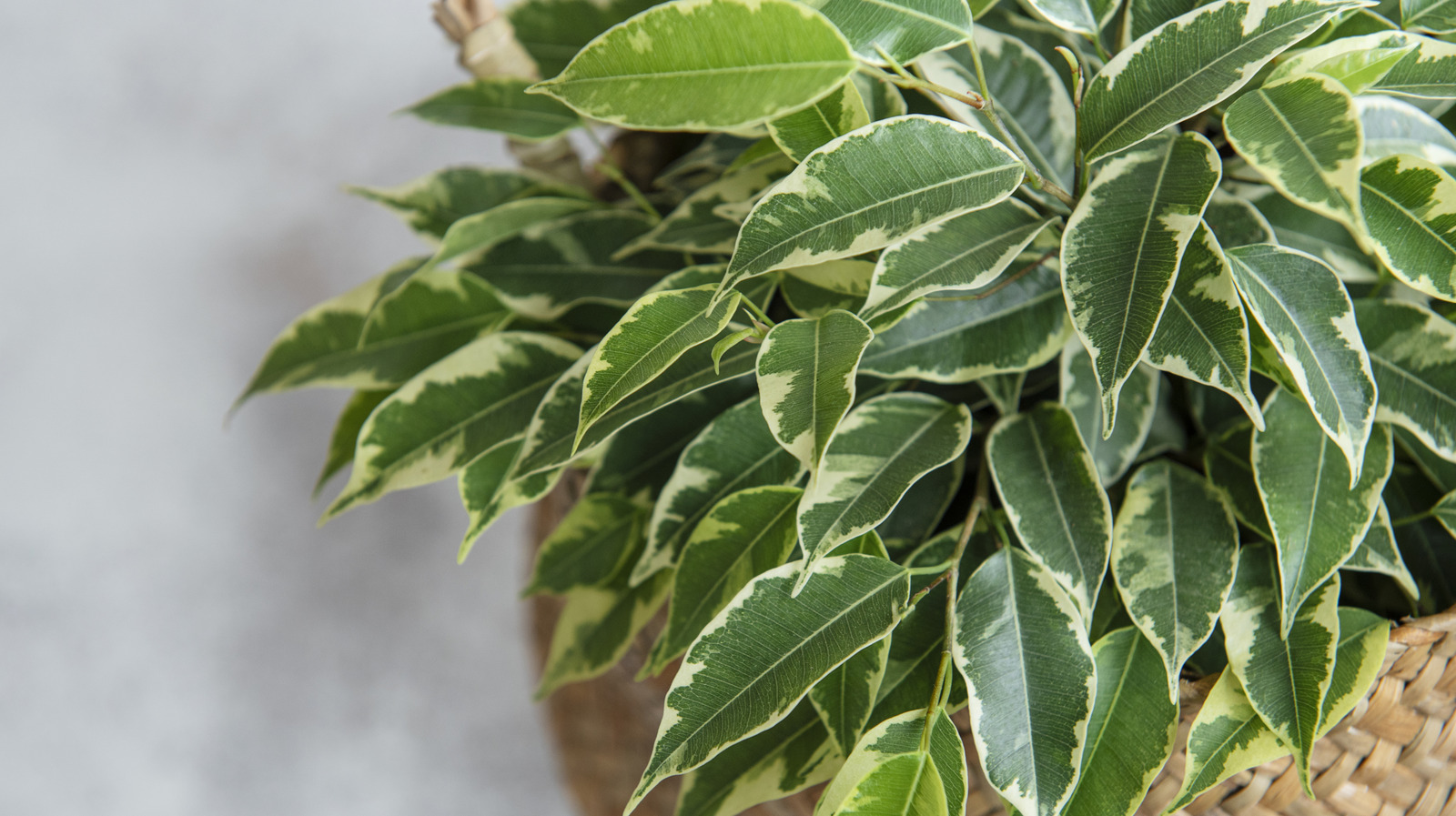
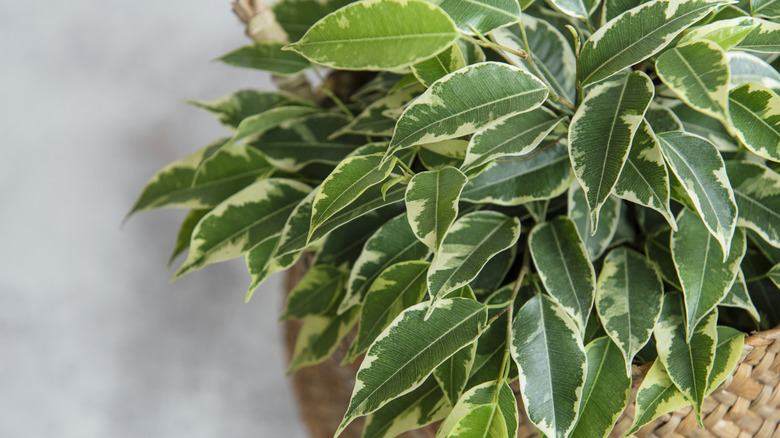
Ficus plants come in all sorts of varieties, like Ficus carica (common fig) and Ficus benjamina (weeping fig). They typically have bushy, green leaves around a central trunk. Some have dark green tops and light green bottoms, while others have light green edges. These leaf variations make ficus plants a great choice. But if the leaves are dropping off too soon or the plant’s growth is stunted, it could mean the plant is getting exposed to a draft.
Ficus are super sensitive to temperature changes, so putting them near vents – whether it’s AC or heat – can seriously mess with their health and appearance. You’ll also want to keep them away from drafty areas, like spots near fireplaces, windows, doors to the basement or attic, and even plumbing connected to the outside. A good way to check for drafts is to light a candle and see if the flame flickers, even when you’re holding it still. If so, that’s probably a drafty zone you’ll want to avoid for your ficus.
The best indoor locations for a potted ficus plant

Pixel-Shot/Shutterstock
Since you can’t keep your indoor ficus near vents, where should you put it instead? All ficus varieties love full or moderate sunshine. If you have an older home with drafty windows, choose a bright room where the light can still reach the plant, even in the interior. Just keep in mind that strong, direct sunlight can scorch the leaves, so filtered light is best. Remember to rotate the plant weekly to encourage even growth.
Also, ficus can be toxic if ingested and the sap can irritate skin, so it’s best to put your plant up high – maybe on a stand – where kids and pets can’t reach it. And just like they dislike drafts, the right temperature is super important for ficus. Try to find a spot with a comfortable room temp.
Grouping your ficus with other plants can help check a lot of these boxes. It can boost humidity, filter sunlight, block drafts, and create a nice display. Just make sure to watch out for any pests that could spread between the plants.