
We may earn a commission on purchases made from links.
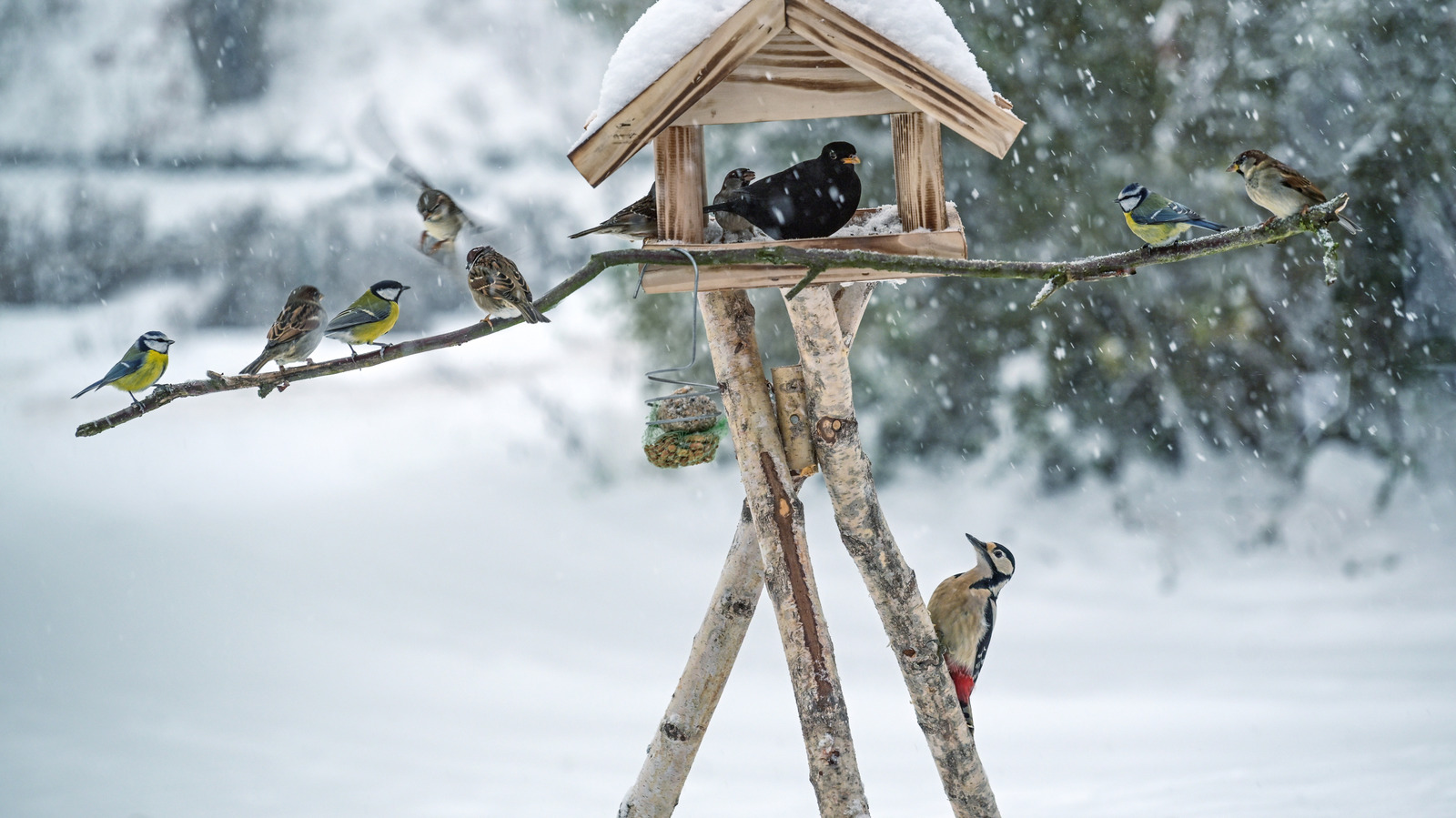
When trying to help backyard birds, you gotta make sure you meet their core needs: food, water, and shelter. During the colder months when things are more scarce, these basics become even more crucial. Feeding backyard birds helps them conserve energy and survive the chilly season. Following good winter bird-feeding practices and staying aware of potential threats can make all the difference in helping birds make it through.
Some bird species, like the Northern cardinal, house sparrow, and chickadee, are around all year in many areas. Even the tiny Anna’s hummingbird can be a winter visitor in some spots, so you can help supplement its high-calorie needs when food is hard to come by. Since birds mostly use their body heat to stay warm, they need a ton of calories. Shivering to raise their body temp takes a lot of extra energy.
Feeding birds in the winter isn’t just a kind gesture – it can also support healthy breeding when spring rolls around. One study found that giving them a boost led to earlier egg-laying and more successful baby birds. Plus, seeing those colorful birds against a dreary winter backdrop can be a real morale booster on those cold, monotonous days. Once you’ve got your feeder stocked with the right foods, there are some important steps to keep them healthy all season.
Use the right feeder types
K Neville/Getty Images
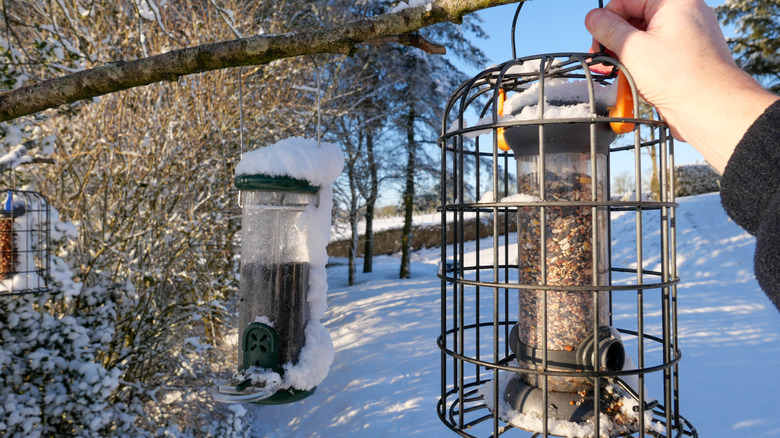
Not every feeder works for backyard birds, so using a mix of styles can attract more visitors. Different types appeal to different species – some prefer a tube feeder, while others like to land on a perch to eat. Ground-feeding birds do best with a raised platform. If you can only choose one, experts suggest a tube feeder, which draws in chickadees, finches, and nuthatches.
Thoroughly clean your bird feeders often
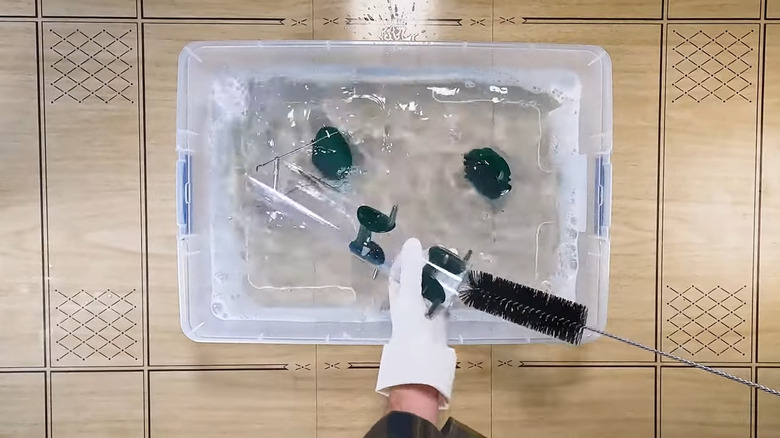
Dirty feeders can put wild birds at risk for diseases like avian pox and salmonellosis. Wash your feeder with hot soapy water every 1-2 weeks to stop the spread of illness. For hummingbird feeders, clean once a week, but skip the dish soap, which can leave behind residue. Instead, use a mix of hot water and vinegar, with 1 part vinegar to 2 parts water. After washing, rinse thoroughly and let dry completely before refilling to prevent mold or bacteria.
Don’t forget to offer fresh regular water sources
Diane079f/Getty Images
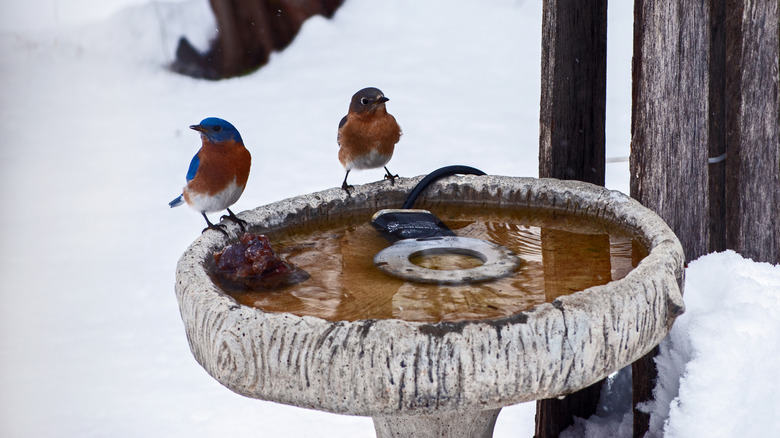
Water can be scarce for birds as their usual sources freeze over in the cold. They can use their body heat to melt snow and ice, but that drains a ton of vital calories. Besides drinking, they also need water to preen their feathers. Consider getting a heated birdbath and changing the water regularly. You can also place the bath in a sunny spot to prevent quick freezing, and add some sticks so they can perch safely while drinking.
Keep bird feeders out of reach of predators
Nitrub/Getty Images
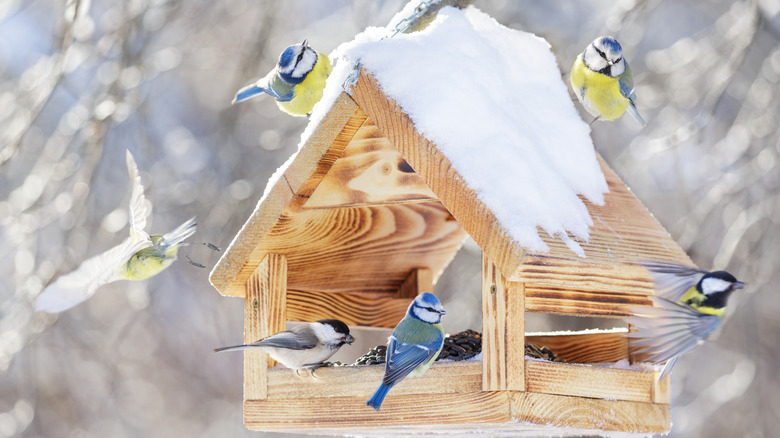
Birds are still at risk from predators in winter, so giving them protected spots is key to keeping them happy and safe. Positioning feeders near a tree or bush lets them dart to cover if threatened, but don’t put them so close that a cat could hide and attack. Aim for at least 10 feet away from any hiding spots so they can access food while still keeping an eye out for danger.
Keep your feeders directly away from windows

Peter Burnett/Getty Images
It’s tempting to put the feeder right by the window so you can watch all the action. But that’s a no-go, since feeders too close to glass can lead to crashes and injuries. Either place your feeder 3-4 feet from the window or give it 30 feet of clearance. That small change will help the birds navigate safely from the feeder without colliding with the glass.
Clean under your bird feeders
ValeriyPH/Shutterstock
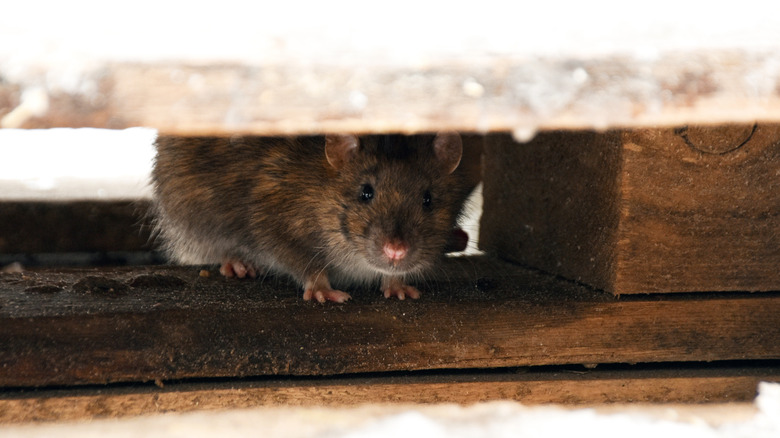
Along with cleaning the feeder itself, you’ve gotta keep the area around it tidy too. All that bird activity means fallen seeds and shells that can rot and grow mold or bacteria if left to pile up. This can make birds sick and attract unwanted pests like rodents that compete for the food. Be sure to regularly clear out any debris under your feeders.
Space out feeders to avoid overcrowding
EniIusheva/Shutterstock
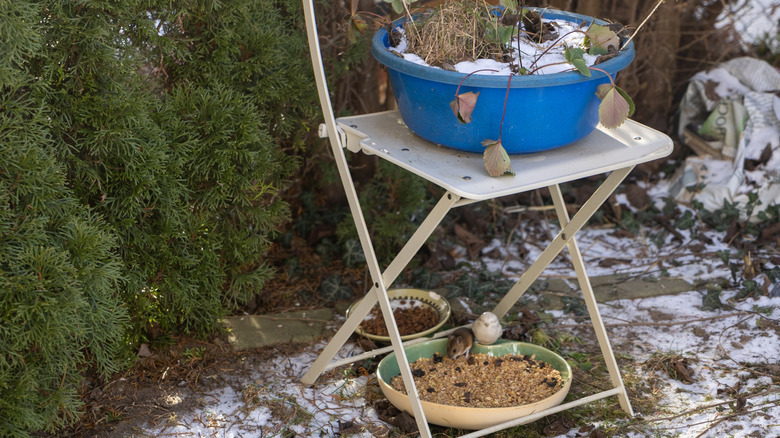
If your yard becomes a popular spot, you might end up with some overcrowding and tension, especially with aggressive birds around. Experts suggest making multiple “feeding stations” with different feeder types spread throughout the yard. Birds have diverse feeding preferences, with some liking open spaces and others sticking close to cover. Having multiple spots reduces crowding, supports various needs, and attracts a wider variety of species.
Add the right plants

madworldphotovt/Shutterstock
Planting native trees and shrubs is a great way to support birds in winter. Bushes with berries like bayberry and winterberry holly provide high-energy food that reduces the need for birds to travel far. Fruit-bearing trees like crabapple, dogwood, and Eastern red cedar also offer both food and shelter when birds need to rest.
Don’t worry about the fallen leaves

Mr_twister/Getty Images
An easy way to support birds in winter is to just leave the leaves alone. That leaf litter is great for your soil as it decomposes, and it also shelters the insects and invertebrates that birds rely on for protein. So don’t stress about raking up those fallen leaves – it’s actually helping your feathered friends!
Alter what you feed in the winter

Your standard summer seed mixes may not cut it for winter. Avoid anything with red milo, which most backyard birds won’t touch. Look for options with black-oil sunflower, safflower, and nyjer instead – they’re high in fat and calories that birds need to stay warm. Suet is also a super popular winter choice. Use a special suet feeder to give them a spot to cling to while they chow down.
Stick to your winter bird feeding routine
Related Posts

Grow This Tasty Apricot Type For A Yummy Summer Haul
Sevil Azeri/Getty Images Apricots are juicy and tasty treats that give you a little burst…
15 New Tricks To Reuse Bathroom Items Around Your Home And Yard
Felipe Dupouy/Getty Images If you’ve got old bathroom fixtures lying around, don’t just throw them…
A Simple Driveway Makeover That Looks Stunning
Vm2002/Getty Images Your driveway might not be the most exciting part of your home, but…