
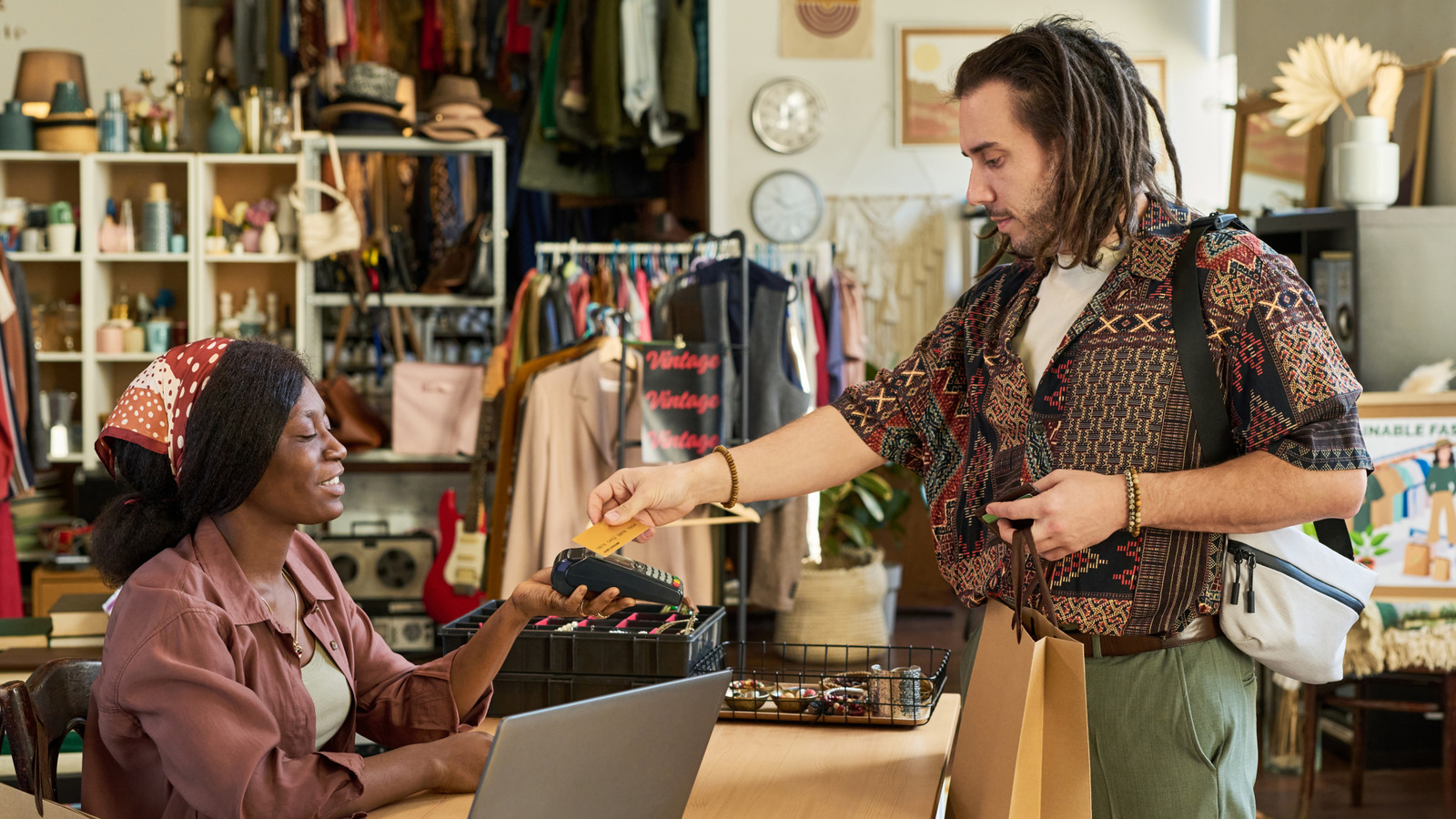
Whether you’re a seasoned thrifting pro or just starting out, it’s so easy to get swept up in the excitement of finding rare, valuable treasures. But the truth is, there are tons of bad buys lurking on those thrift store shelves. And it’s not always easy to spot the good stuff from the junk. You might focus on a cool-looking item, but it could end up being a knock-off or in really rough shape. That’s why it’s crucial to watch out for those common red flags in secondhand stores, like sketchy odors, stains, pest problems, and pricing issues. Thrifting is supposed to be fun and save you money on home decor. Secondhand items are often unique and let you reduce waste. But it can also be super overwhelming. There’s just so much stuff to sift through. And you’ve got to worry about getting duped by a worthless item. Knowing what to look for can take a lot of that anxiety out of the thrifting experience. Pressmaster/Shutterstock
Signs of bed bugs or other pests
 Daniel Tamas Mehes/Getty Images
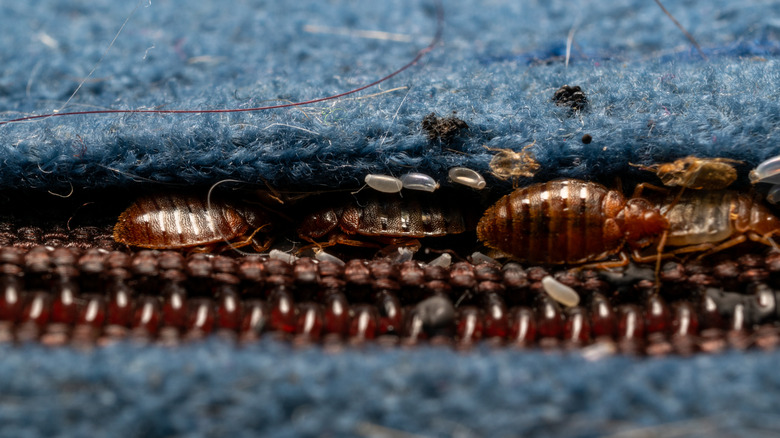
 Any signs of a previous bed bug problem (or other pests) is a major red flag. You’ll want to leave that item behind. Bed bugs can be super sneaky, hiding in stitches, seams, and dark corners. Even one infested donation could spread to everything in the store. Beyond bed bugs, you could also bring home cockroaches, moths, or fleas.
There are a few ways to spot potential pest problems. Inspect items thoroughly, especially along seams, edges, frames, and drawers. Having a flashlight and magnifying glass can help you see the tiny critters and their eggs. Look for small, dark spots or dirty areas. If you do buy anything, make sure to wash removable items like pillow covers in hot water. And quarantine anything else, vacuuming it well to get rid of lingering pests. Steamers also work great for killing bed bugs in crevices.
Upholstered pieces with pet hair embedded in them
 Martha Almeyda/Shutterstock
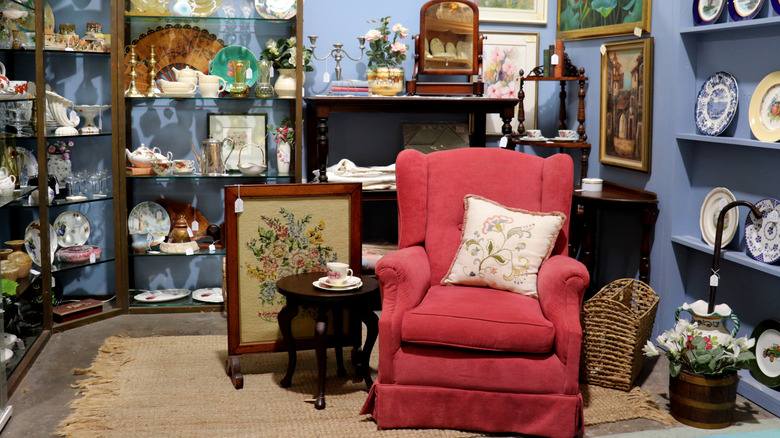
 Pet hair can really get deep into upholstered fabrics, so even if you don’t see big clumps, there could still be tons of hair embedded in the material. For most people, a furry secondhand couch is just gross. But if you’ve got pet allergies, bringing that home could make you feel miserable for months. There’s also a chance the pets had accidents on the furniture, leaving behind bacteria.
You really gotta inspect these pieces closely. Lift up the cushions and check the crevices for pet hair. It might not be obvious if the furniture was vacuumed. Bring a lint roller and run it over the upholstery to see what kind of hair you pull up. And if you notice any pet odors, that’s another red flag.
Major stains and discoloration
 Jiajiajiajia/Shutterstock
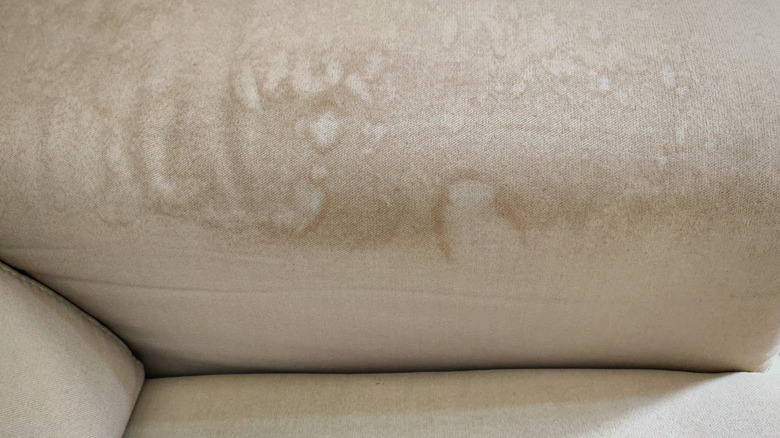
 While there are lots of ways to remove stains, some marks just won’t come out no matter how hard you try. Old stains could be deeply set into the fibers. And even worse, those spots could mean mold growth — any spills could provide the moisture for mold to thrive. Some discoloration could actually be visible mold, especially on wood.
If you’re considering a stained item, check for signs of mold. See if you notice a musty smell. Green, black, or white spots usually mean mold is growing. The fabric might feel damp or soft. And if you have mold allergies, you might react when you get close to the piece. If it passes the mold test, newer stains might come out, but you could still end up with a damaged piece that needs reupholstering.
Strong odors that can’t be easily washed away
 Solstock/Getty Images
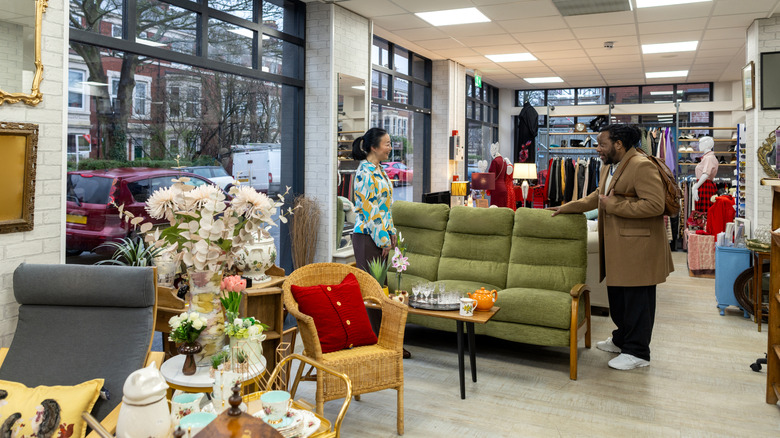
 If you notice a funky smell coming from a secondhand piece, take that as a red flag and keep looking. Some thrift stores just have a certain smell to them. But you want to watch out for a distinct odor coming from a specific item. That could mean deeper issues, like pet dander and mold. Or it could make your whole house smell bad forever.
We already talked about how musty smells can mean mold growth. If the item was previously owned by a smoker, you might get hit with the overwhelming smell of cigarettes or cigars. Pet odors are another common offender for secondhand goods. You can try deodorizing some items, like curtains or slipcovers. But if it’s a smelly furniture piece you can’t just throw in the washer, it might never smell good enough for your home.
No visible price tags
 Leopatrizi/Getty Images
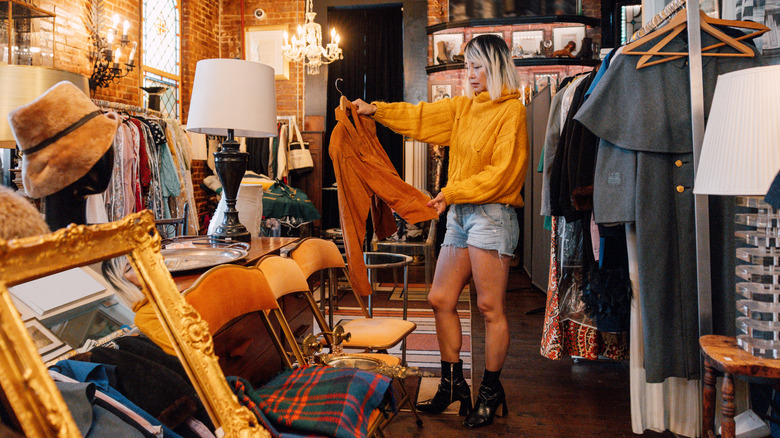
 You should be on high alert if a thrift store doesn’t have prices clearly marked on items. Some sellers do this to take advantage of buyers and charge whatever they feel like. The last thing you want is to pay way more than you should just because the owner decides to charge extra.
If you run into this, keep an open mind. Some thrift stores have switched to different pricing methods to prevent tag tampering. They might not put a tag on at first so they can check the fair market value when you go to buy. Other sellers might try to hike up the price based on what they think they can get away with. Consider walking if the staff is sketchy, won’t give you a straight answer, or pulls a random price out of thin air.
Suspiciously low prices that seem too good to be true
 Aniss Ouzerrout/Shutterstock
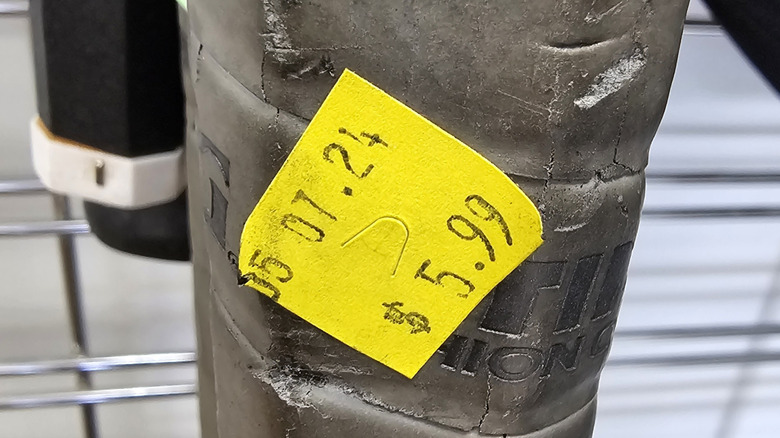
 That super low price on a thrift store item might seem like the jackpot you’ve been waiting for, but if the prices are consistently low, you’re probably getting scammed. The inventory could be fake versions of high-end items being sold as the real thing. That diamond bracelet for $50 is probably cubic zirconia. And that Louis Vuitton bag priced way under market value is likely a cheap knockoff. Even at a low price, you’re still overpaying for something fake.
Doing some research can help you figure out if you’re looking at the real deal. High-quality materials often weigh more than cheaper versions. Real leather has that distinct smell and natural imperfections. So show up ready to check the authenticity of anything that looks too good to be true.
Structural issues with furniture or other pieces
 Vadym Plysiuk/Getty Images
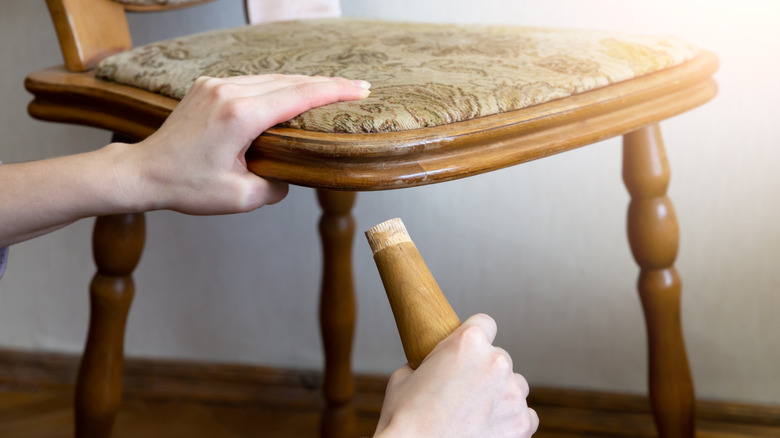
 One of the best ways to spot potential issues is to inspect the construction super closely. You might find wobbly legs, separated joints, gaps in the wood, soft spots, or openings in the seams. Sure, you can fix a lot of those problems if you have the skills and time. But that’s not always the case, especially with older pieces where replacement parts are hard to find. And it can be tricky to match the materials or finishes.
Older items, especially wood ones, will naturally have some scratches and dents — that’s part of the charm, right? But focus on the safety and structural integrity of the piece. A broken or missing support could seriously weaken it. Check that doors, drawers, and other moving parts are functioning properly. If repairs are needed, make sure you’re comfortable taking them on and have the time to do the work.
Items that are suddenly trending online

Related Posts

Homeowners on Reddit Warn About Home Inspection Problems
After you buy a home, one of the biggest worries is finding a major defect…

Grow These Herbs Next to Catmint to Attract More Pollinators
ncmirfro/Shutterstock If you’re a big fan of how catmint (Nepeta spp.) attracts bees, butterflies, and…

Backyard Makeovers: Easy DIY Ideas to Give Your Outdoor Space a Fresh Look
Arriyawan Loverz/Shutterstock Turning your garden into a space that reflects your personality is all about…