
Romaoslo/Getty Images
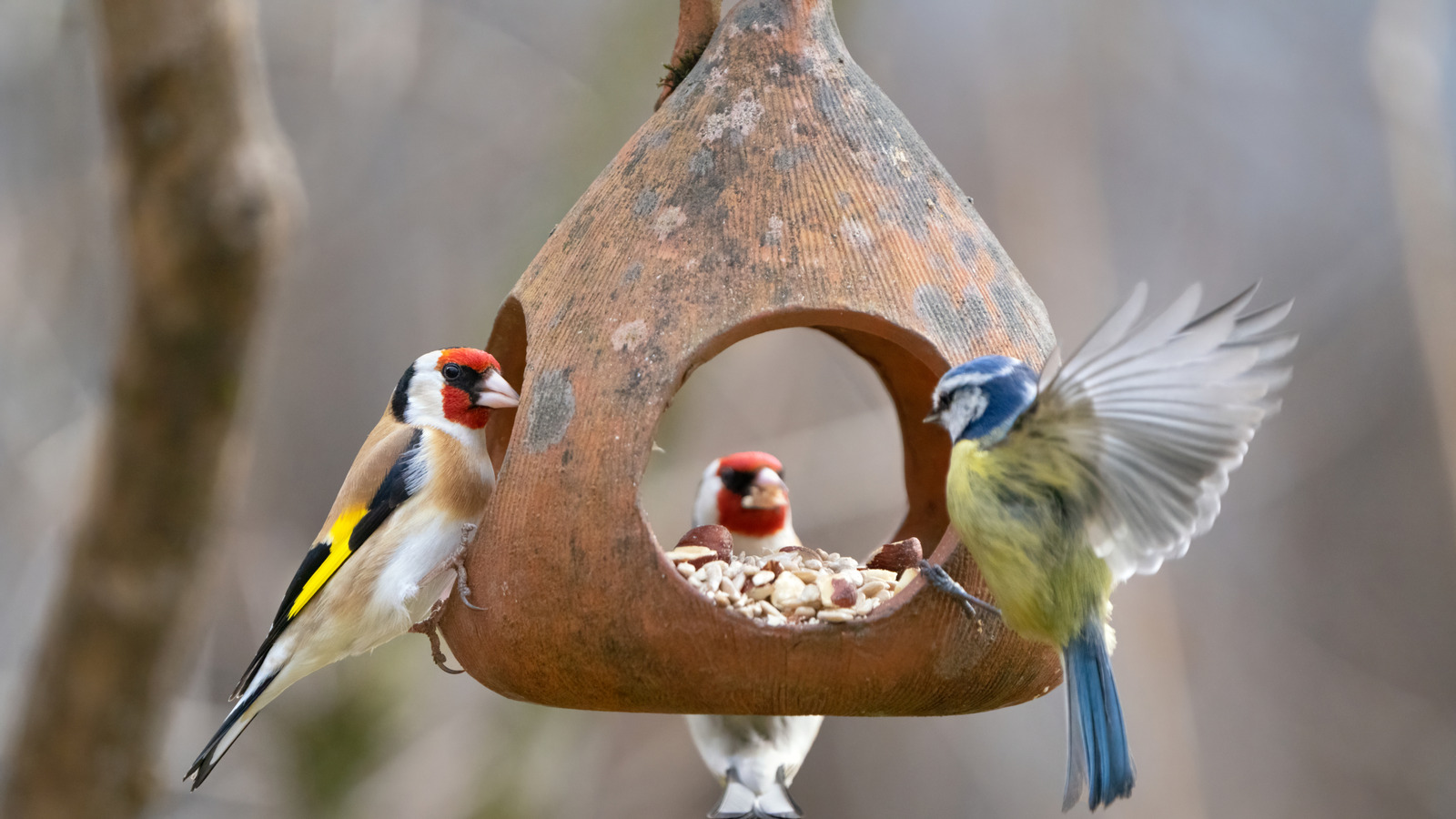
Turns out, not all birds fly south for the winter. Yep, some like chickadees, goldfinches, and blue jays actually stick around with us snow-lovers. And they could use a hand with the food situation. That’s why making a DIY bird feeder for the winter is such a great idea – it’s an easy way to keep helping our feathered friends, even as the snow starts to fall. The best part? This homemade feeder blends right into the landscape.
You can probably find most of the supplies right in your own backyard. The feeder frame is made from twigs – things like willow, bamboo, or apple tree branches work great. And you’ll add some evergreen greenery like holly or pine for decoration. As for the food, fruits like pears, apples, and plums are always a hit with the birds. Their bright colors stand out against the snow, making it easy for your backyard buddies to spot the goodies.
No bird feeder is complete without some tasty treats. In addition to fresh fruit, get creative and use things like suet bars, hardened bagels with peanut butter and seeds, or even leftovers from your Christmas wreath. It’s a great way to reduce waste while helping out the local wildlife.
Putting the twig bird feeder together
Building the twig cage is pretty straightforward. Cut your twigs down to about 15-18 inches long, then bundle them together and tie the ends with some twine. This gives you the basic shape of your feeder. Next, spread the bars of the cage a bit and start loading in the fruit – put smaller pieces like plums on the ends, and bigger stuff like apples and pears in the middle. You can even cut larger fruits in half to help them fit better. Once the fruit is all tucked in, tie off the top with more twine. Add some decorative touches like dried orange slices or greenery, then create a hanger and hang your masterpiece from a tree branch.
You’re not limited to just fruits in this feeder. Get creative and add other tasty treats like suet bars (made with peanut butter, seeds, and nuts) or even hardened bagels smothered in peanut butter and seeds. It’s a great way to use up leftovers and reduce waste, all while giving your local birds a cozy spot to refuel this winter.