
We may receive a commission on purchases made from links. As a master gardener who loves natural and organic growing techniques, I get tons of questions about which fertilizer works best for peonies. People usually ask about bone meal because they’ve seen influencers and gardening sites hype it up as the magic ingredient for massive peony blooms. Bone meal can help in certain situations, but just tossing a cup around your peonies in spring won’t automatically give you giant flowers. There’s actually some merit to this peony trick, but it’s way more complicated than most people explain it. Bone meal gets pushed so hard because it’s packed with phosphorus—the nutrient that has the strongest connection to flowering in plants. You’ll usually see bone meal sold with a nitrogen, phosphorus, potassium ratio (NPK) of 0-12-0 or 3-20-0. You can tell it’s basically all phosphorus with almost no nitrogen or potassium. But dumping tons of phosphorus into your soil isn’t really a smart move, particularly if you’re doing it year after year. Phosphorus only helps your peonies if your soil is actually low in it. In most cases, if you’ve been using balanced soil amendments, your soil probably has plenty of phosphorus already. Unless a soil test shows your soil actually needs phosphorus, a more balanced approach usually works better. A natural product like fish and seaweed fertilizer is a smarter choice. These natural options will help your whole plant grow, giving you strong tubers and root systems, sturdy stems, and gorgeous, full blooms. Eva-katalin/Getty Images
Make Your Peonies Bloom Better Using Natural Plant Food

Fish fertilizer gives you well-rounded nutrition
 Andreaobzerova/Getty Images
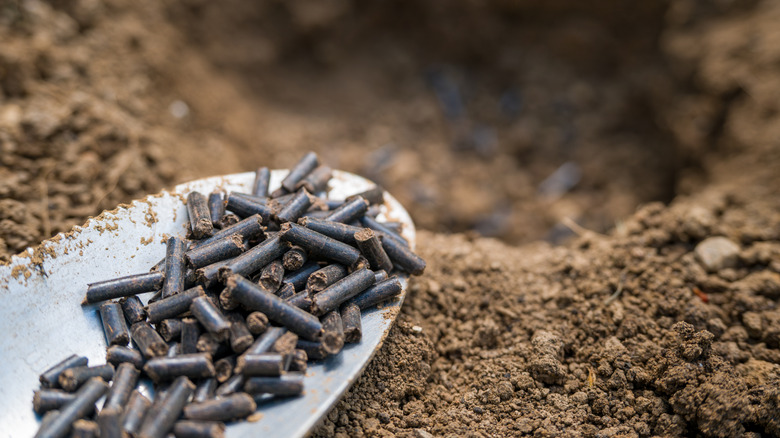
 When regular soil amendments like nutrient-rich compost, buried fish scraps, and composting in place aren’t enough to revive your soil or feed heavy feeders, grab a solid all-around organic fertilizer with a nice 2:3:1 NPK ratio. Another excellent pick is a quality balanced blend. I recommend these all the time because they deliver important macronutrients plus helpful trace minerals. Balanced organic mixes like these won’t shock your plants with a sudden spike of one nutrient. Instead, they give a moderate amount of key nutrients that plants can easily take in without getting overwhelmed, as long as you follow the package instructions.
I also like mixing my own blend of fish, blood and bone, which has roughly equal amounts of nitrogen, phosphorus, and potassium, so they feed the soil safely and evenly. Granular blends like this release nutrients slowly—soil microbes break them down into forms your peonies and other plants can actually use. Too much nitrogen would push tons of leafy growth but you’d end up with weak stems and hardly any flowers. Too much phosphorus gets in the way of other nutrients absorbing properly, especially zinc and iron, and can cause stunted growth. Too much potassium can prevent minerals like calcium and magnesium from getting where they need to go, potentially slowing growth. This is why a balanced natural fertilizer usually does the trick, unless you’ve got a specific nutrient problem confirmed by a soil test.
Still want to give bone meal a shot?
 Floki/Shutterstock
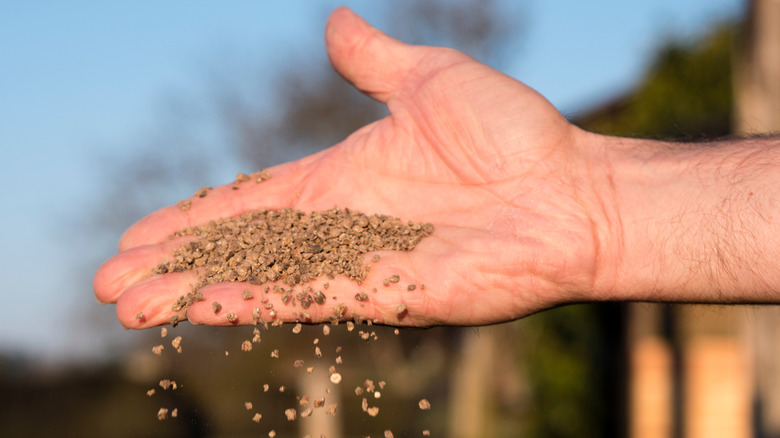
 The internet is full of super convincing influencers and blog posts saying bone meal is the cure-all for every peony problem, and you might want to try it anyway, even though I’m suggesting something different. Before you start spreading bone meal all over your beds, grab a soil test kit. They’re affordable, super simple to use, and will save you a ton of trouble down the road. I’m a big fan and always keep a supply in my shed.
Just remember that phosphorus doesn’t wash out of soil the way nitrogen does. If you keep adding bone meal year after year, you can end up with serious nutrient imbalances because phosphorus piles up in the soil. When this happens, your plants will show telltale signs—leaves get yellow, especially between the veins, and growth slows down. Fresh leaves might look okay at first, but they’ll stay small and eventually turn yellow too. This phosphorus buildup can actually look like you’ve got some other nutrient shortage, and I’ve watched lots of gardeners make this mistake. They see their sad plants and think there’s a deficiency, then they panic and dump a bunch of fertilizer on them, which just makes things worse. So seriously, do a soil test first before you do anything else. In the rare event that you actually do have a phosphorus shortage, it’s most likely to show up in very acidic or very alkaline, or clay soils. Even then, I wouldn’t just grab the bone meal without thinking. Instead, I’d mix it into a full organic formula with blood and fish meal that feeds your whole plant, not just one nutrient. I’d also work in finished compost and other good, organic matter to boost soil quality and build stronger soil so you can enjoy gorgeous, healthy blooms year after year.