
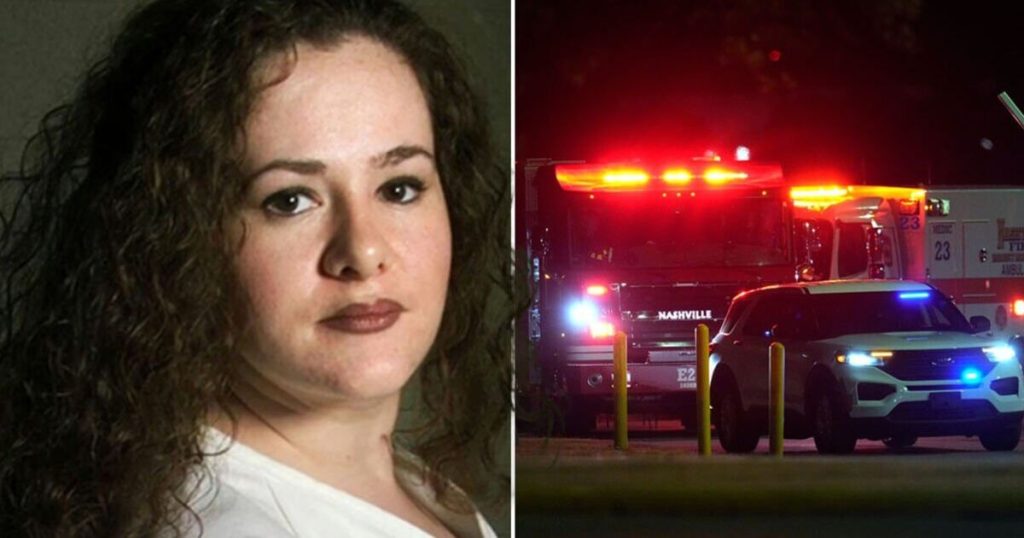



A Tennessee inmate who was declared brain dead after a lethal injection is now up and walking around her hospital room, according to her legal team. Christa Pike, 50, was due to become the first woman executed in the state in more than 200 years. Instead she became the first prisoner in the United States known to survive a lethal injection, and her lawyers describe her recovery as medically unprecedented.
What went wrong
Pike was given two doses of the drug pentobarbital by the Tennessee Department of Corrections on Sept. 30 at the Riverbend Maximum Security Institution in Nashville. She was rushed from the death chamber to a hospital, where she was first described as unconscious and in critical condition. She was later declared brain dead.
Her legal team says at least seven needles were used during the procedure. One of them, they claim, came out of her arm bent at a 90-degree angle. A judge has since ordered Tennessee officials to preserve the syringes and other evidence from the execution.
An unexpected awakening
On Tuesday, Pike woke up, a development that stunned many people following the case. Her attorney Randy Spivey told reporters after a court hearing the next day that she was "angry and confused about everything right now." He added that she was "very aware that the state tried to execute her."
Dr. Joel Zivot, an anesthesiologist who has advised Pike’s lawyers, told the BBC that she can now communicate in a "basic way." She still mistakenly believed that it was September, though more than a week had passed.
Slow first steps
According to her lawyer Stephen Ferrell, Pike has now begun to move around. "She is up and walking for the first time today, but just around the room, not very far," he told the BBC. Her arms were badly injured, he said, and she can barely use them.
Ferrell described her mental state as "good and bad." She is fairly aware of what is going on, but remains "somewhat foggy" and can lose her train of thought very easily. She also forgets where she is going. Whether she has suffered any permanent brain damage is still unknown.
Spivey said that despite the severe damage to her arms, Pike is still handcuffed and shackled to her hospital bed. Her prognosis remains unclear, he said, but at a minimum her legal team expects a long recovery.
The case behind the execution
Pike was sentenced to death in 1996 for the murder of her 19-year-old classmate, Colleen Slemmer, the year before. Pike was 18 at the time. She killed Slemmer in a jealous rage, believing the young woman was trying to steal her boyfriend.
For now, Pike remains in critical care. Her lawyers are waiting to learn how much she will recover, and the evidence from the failed execution is being kept as the legal questions around it continue.
Image credit: TDOC
Source: Daily Express US

Leave a Reply