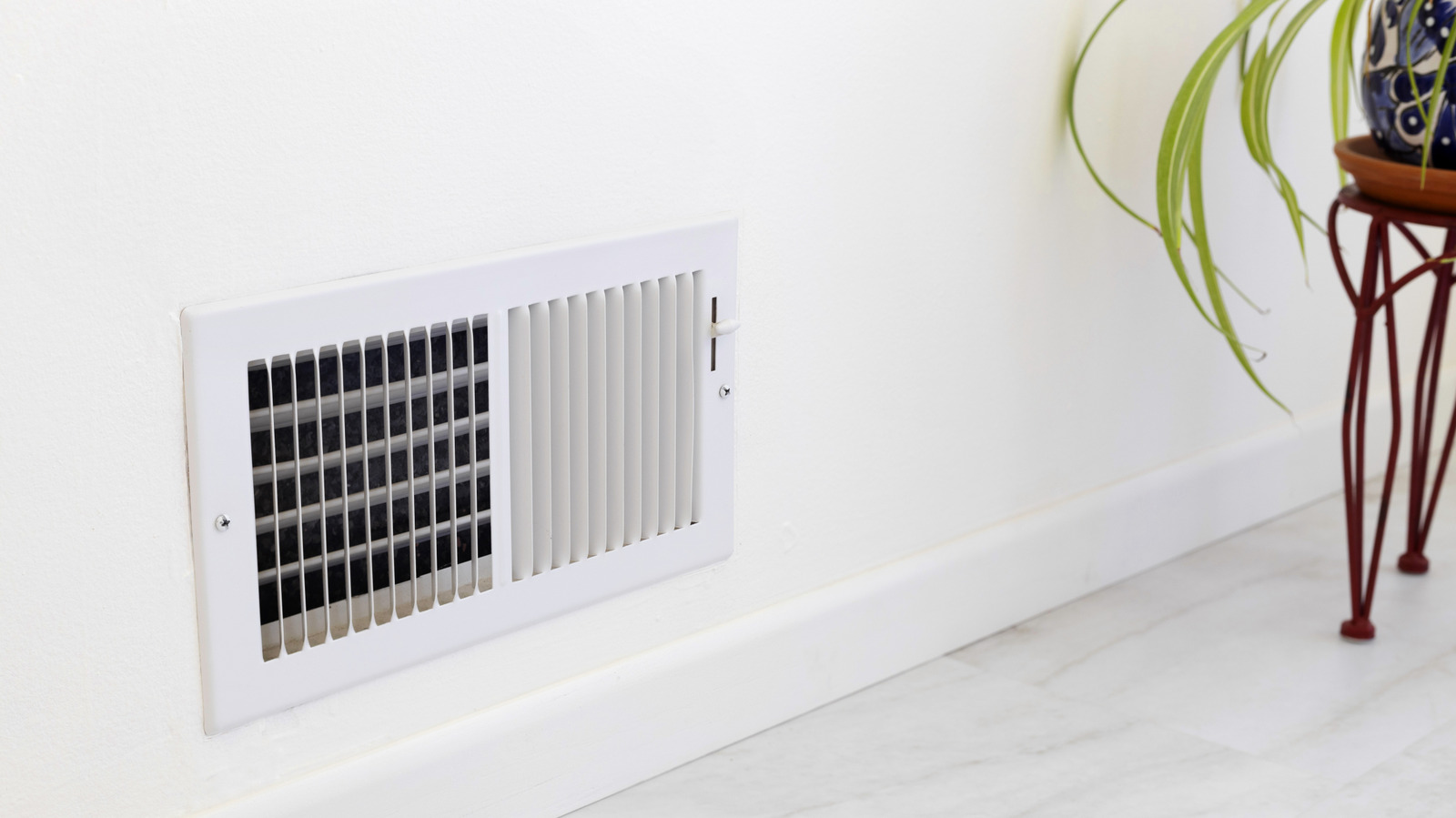
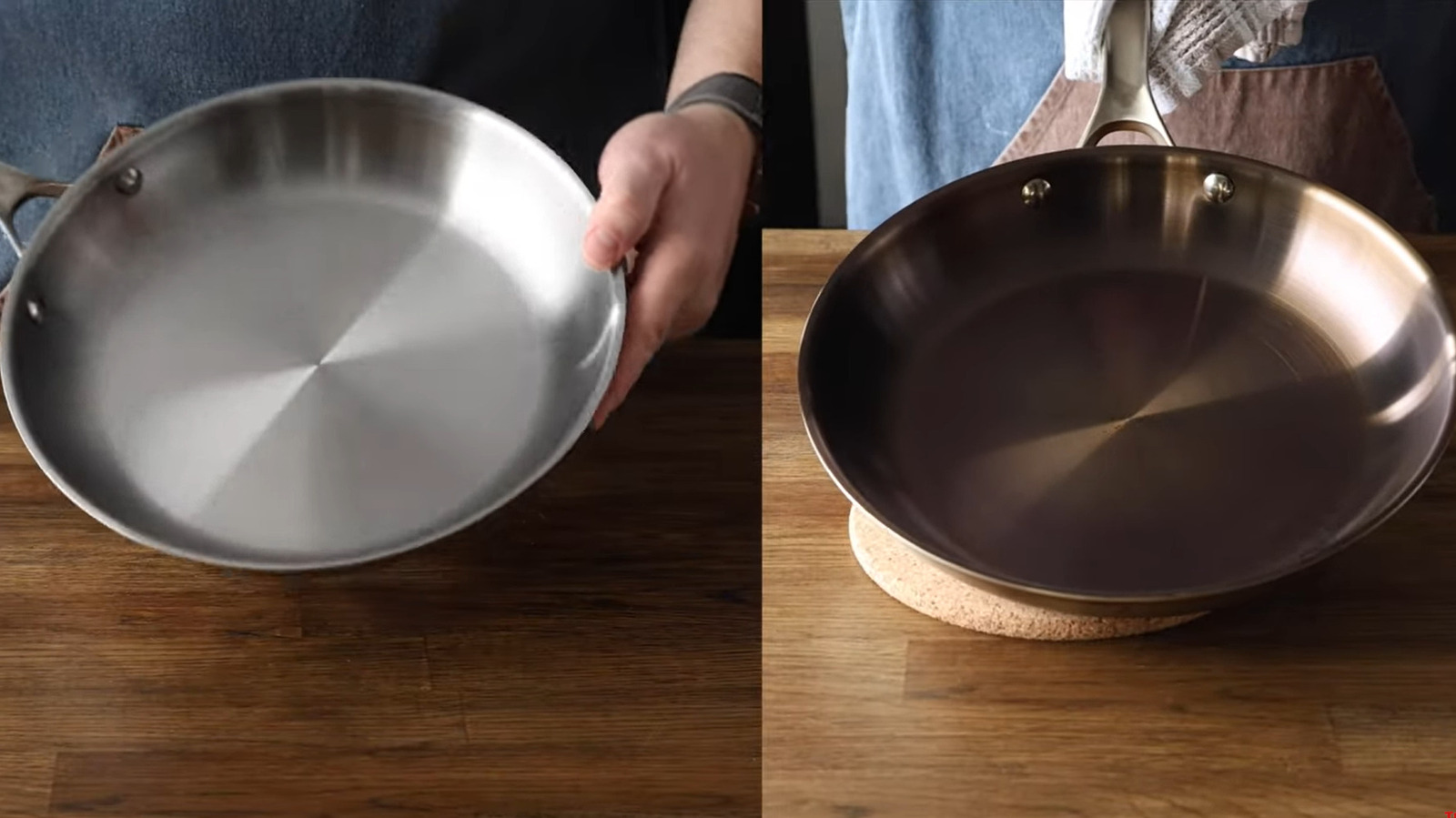
Alright, so you’ve ditched the old Teflon pans and got yourself a shiny new carbon steel pan. Now the key is to season it properly. Seasoning is the process of using oil and high heat to create a dark, nonstick coating on the pan’s surface. The oil seeps into the pores and polymerizes, forming a smooth, protective layer. First things first, you need to wash off that factory anti-rust coating. Just follow the manufacturer’s instructions – usually hot water, dish soap, and a sponge will do the trick. Then dry the pan thoroughly and let it heat up on the stove for a bit to make sure it’s completely dry. Now for the seasoning part. You can use the stovetop method or the oven method. Grab some paper towels and a neutral, high-smoke-point oil like grapeseed or canola. Avoid olive oil, flaxseed, or animal fats, as they can create a messy situation. Make sure to have good ventilation, as the oil will be heating up to its smoking point. And don’t forget the oven mitts to protect your hands!
Seasoning your carbon steel pan on the stovetop
 Try_my_best/Shutterstock
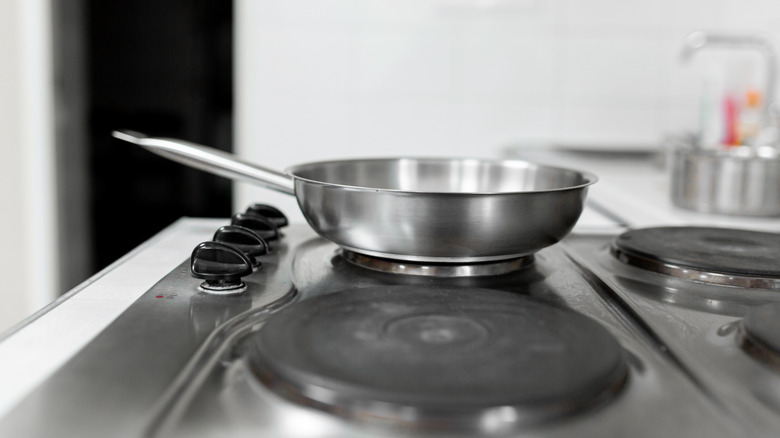
 For stovetop seasoning, first heat your clean, dry pan on the burner for 2-3 minutes. Then take it off the heat and use a paper towel to rub in just a teaspoon of oil – don’t go overboard here, as excess oil can make a mess. Buff the surface until it looks dry.
Next, put the oiled pan back on the burner at the highest heat setting. Move the pan around to evenly season all sides. When the oil starts smoking, that’s a sign the seasoning process is working – the smoke will fade after a few minutes, and you’re good to go. Repeat this a few times for an even, solid coating.
Oven seasoning your carbon steel pan
 New Africa/Shutterstock
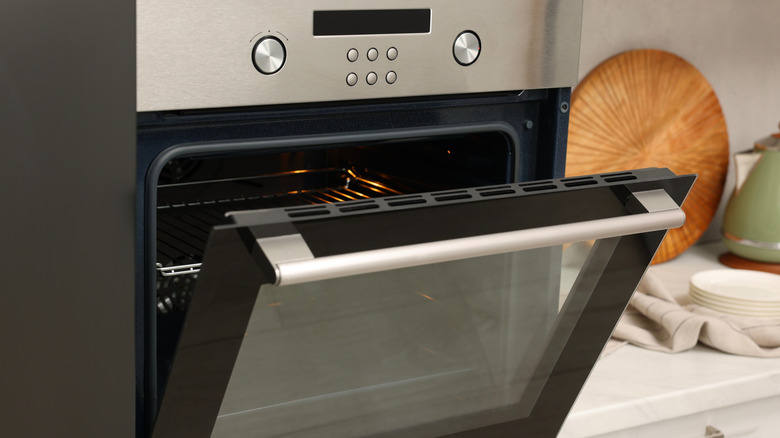
 Oven seasoning is another great option, but make sure your pan is oven-safe first. The key is to check if the handle is also made of carbon steel – if it’s plastic or wood, stick to the stovetop method.
Preheat your oven to 450°F. While it’s heating up, wash and thoroughly dry your pan. Then use paper towels to sparingly apply oil to all the surfaces. Pop the pan upside down on the middle rack and let it bake for 30 minutes to an hour. Once the timer’s up, leave the pan in the oven to cool completely before removing it.
Similar to the stovetop method, you can repeat this oven seasoning process a few times to build up those layers. Fry an egg in the pan when you’re done to test it out – if the egg slides around without sticking, you nailed it! Even if there’s a bit of sticking at first, don’t worry, the seasoning will just get better with regular use.