
The United States has begun building a genetic backup of its most vulnerable wildlife. A new partnership aims to freeze the DNA and living cells of every plant and animal protected under the Endangered Species Act, in what its backers call a "modern-day Noah’s Ark" built from DNA.
The project is unusual because of its scale. Instead of saving a few famous animals, it targets all 2,300-plus threatened and endangered species in the country.
A partnership with a famous name
The work is a collaboration between Colossal Biosciences, the Dallas-based company known for bringing back the dire wolf, the Department of the Interior and the U.S. Fish and Wildlife Service. Together they plan to sequence, sample and preserve the genetic material of each listed species.
Colossal’s chief executive, Ben Lamm, compared the plan to the Svalbard Global Seed Vault, which protects the genetic diversity of our food supply. He said this project aims to do the same for "the genetic diversity of life itself." In his words, every species is "a library of evolutionary innovation millions of years in the making," and once it is lost, that knowledge is gone for good.
How the vault works
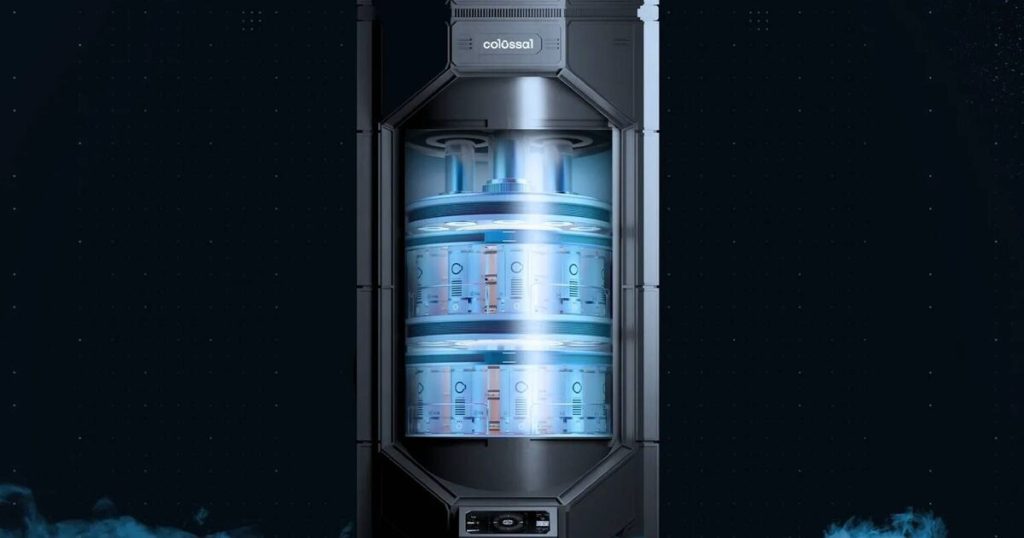
The samples will be gathered through Colossal’s BioVault network. Researchers are collecting living cell lines, reproductive tissue and high-quality genomic DNA, then freezing them while the species can still supply them.
The frozen material is meant to be more than a historical record. It could help with assisted reproduction today, and if a species did die out, it could make restoration possible in the future.
The work is already under way. Field teams have been sent out to collect priority samples, and the resulting data is being fed directly into federal recovery plans.
Sharing it with the world
Perhaps the most striking part of the plan is that the data will not be locked away. Every genome sequenced through the partnership will go into open-access databases at no cost, available to any scientist, conservation manager or environmental group anywhere in the world.
The approach is the opposite of how record labels guard their master recordings. Rather than protecting a single original, the project copies the information and spreads it widely. The result, as the article describes it, is not simply a storage facility but a shared genetic resource and a lasting open archive.
Interior Secretary Doug Burgum said the collaboration joins the scientific expertise of the Fish and Wildlife Service with the ingenuity of the private sector. He said it will develop "new tools that can help recover species, preserve critical genetic resources, and strengthen the future of wildlife conservation."
Where things stand
Sampling has started, but the task of covering more than 2,300 species is only beginning. Colossal’s Matt James, who is also executive director of the Colossal Foundation, said the initiative "will redefine conservation in the United States." For the first time, he said, a permanent genetic record of America’s most vulnerable species is being created before they are lost.
Lamm said the aim is to make sure future generations inherit not only records of the natural world, but "the opportunity to protect, study, and restore it." He added that safeguarding biodiversity at this scale "may prove to be one of the most important responsibilities of our generation."
Image credit: Instagram
Source: Daily Express US

Leave a Reply