
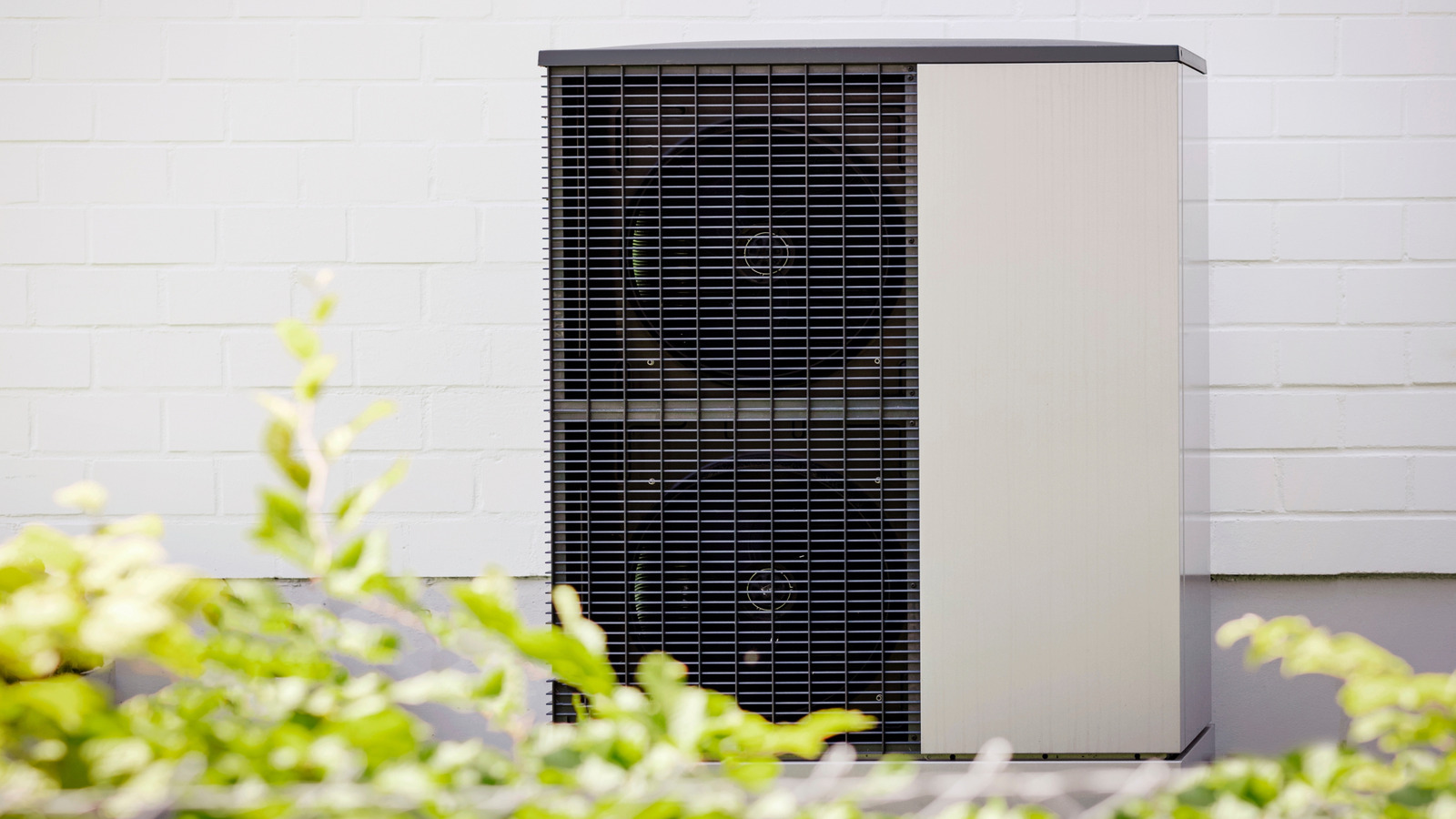
Staying cozy at home is no longer as budget-friendly as it used to be. With energy costs skyrocketing, many folks are looking into heat pumps as a more efficient, cost-effective heating option. But there are a few things you should know before making the switch. For starters, heat pumps can be significantly more efficient than traditional gas or electric heaters, potentially saving you a bundle on your utility bills. However, they also tend to cost more upfront. And if you live in a super cold climate, you might need a backup heating system to keep your home toasty when the mercury really drops. No matter what, it’s important to do your research and work with a professional to make sure you get the right heat pump system for your home. That way, you can enjoy years of reliable, affordable, and eco-friendly heating. Mariana Serdynska/Shutterstock
Heat pumps are usually more efficient than traditional heating systems
 Frederick Doerschem/Getty Images
Heat pumps are way more efficient than traditional heating systems, including electric heaters. While electric heaters have a 1:1 input-output ratio, heat pumps can be up to four times more efficient, transferring existing heat instead of generating it. This translates to serious savings on your utility bills.
The tradeoff is that heat pumps require electricity, which can be pricier than gas. But overall, the energy savings from a heat pump system usually outweigh the slightly higher electricity costs, especially if you live in a mild climate. Just be prepared to pair an air-source heat pump with a backup heater in very cold weather.
There are different types of heat pumps to consider
 Julpo/Getty Images
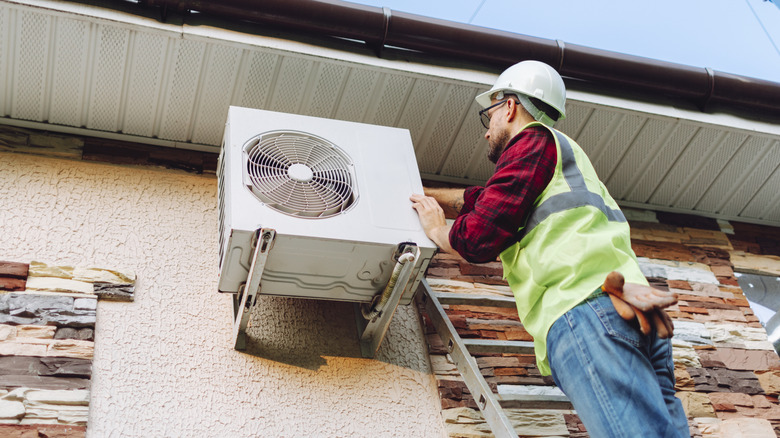
The two main heat pump options are air-source and ground-source. Air-source pumps pull heat from the outdoor air, while ground-source (geothermal) pumps draw heat from the ground. Both are more efficient than traditional systems, but have some key differences.
Air-source pumps work best in mild climates, as they struggle in extreme cold. Ground-source pumps fare better in frigid weather, but require a lot of outdoor space for installation, which can get pricey. If your climate is on the chilly side, you may want to pair an air-source pump with a backup heater to ensure your home stays cozy.
Regardless of the type, it’s crucial to size the heat pump correctly for your home. An undersized unit won’t keep you warm, while an oversized one will waste energy. A pro can assess your home and recommend the right-sized system.
Heat pumps are usually more expensive upfront than other systems
 Igor-kardasov/Getty Images
One key downside of heat pumps is the hefty upfront cost. A standard gas boiler system typically runs under $6,000, while heat pumps can cost $6,000 or more, with ground-source systems potentially costing up to $25,000.
In contrast, electric heaters are much cheaper to purchase and install, often less than the heat pump unit itself. So while heat pumps save you money in the long run, the initial investment is significantly higher than traditional heating systems.
Air-source heat pumps can become less efficient in lower temperatures
 Snapshot freddy/Shutterstock
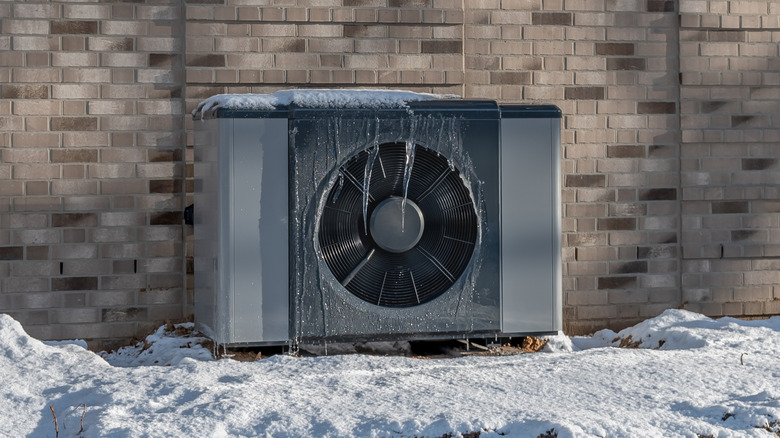
One downside of air-source heat pumps is that they become less efficient as temps drop. In fact, they can stop working altogether when it gets really cold, below freezing. This means you may need to rely on backup heaters, which can negate the savings you get from the heat pump.
The solution is to invest in a cold-weather air-source pump or go with a ground-source (geothermal) system, which maintains efficiency even in frigid conditions. But these specialty pumps come with an even higher price tag. Whatever you choose, just be sure to avoid over-relying on space heaters, which could erase your energy savings.
More efficient heat pumps cost more upfront but save more in the long run
 Monkey Business Images/Shutterstock
To get the most bang for your buck, look for a heat pump with the highest possible efficiency ratings. These models will cost more upfront, but they’ll save you a lot more on your energy bills in the long run.
Heat pump efficiency is measured by SEER (cooling), HSPF (heating), and COP (instantaneous efficiency). The higher these ratings, the more efficient the pump. While the most efficient options come at a premium, you’ll make up for it with serious energy savings down the line.
So do your research, compare models, and invest in the most efficient heat pump your budget allows. It may cost more initially, but it’ll pay off big time when it’s time to heat your home.
It’s important to match your home with the right-sized heat pump
 Lopolo/Shutterstock
Getting the right-sized heat pump is crucial. An oversized unit will short-cycle and waste energy, while an undersized one won’t keep your home comfortable. The key is to have a professional assess your home and calculate the ideal pump size.
They’ll look at factors like square footage, room count, insulation, and local climate to specify the perfect heat pump. With the right-sized unit installed, you can expect optimal, low-cost performance for years to come.