

Peopleimages/Getty Images
Trends may come and go, but there are certain homes that feel timeless and comfortable decade after decade, never feeling outdated. Instead, they have a sense of ease and familiarity, thanks to thoughtful design choices that prioritize longevity. While colors and furnishings continue to evolve, there’s more to it than just decor when it comes to staying power. The bones of these homes remain strong, welcoming their owners with the same warmth year after year. They adapt to changing lifestyles – whether that means growing families, transitioning to work-from-home, or even downsizing – without needing constant reinvention.
Homes built to last a lifetime (and beyond) follow a set of underlying principles rather than a fixed aesthetic. They rely on great flow, quality materials, durable craftsmanship, and decorative restraint, creating environments that feel balanced and intentional. These spaces are designed to be lived in, not just photographed and shared online, and they mature alongside their occupants. In this article, we’ll explore the defining characteristics that allow homes to remain functional and relevant across decades. From architectural integrity to material choices, these elements work together to create homes worth investing in.
Thoughtful proportions over trendy, open-plan layouts

Diczman/Getty Images
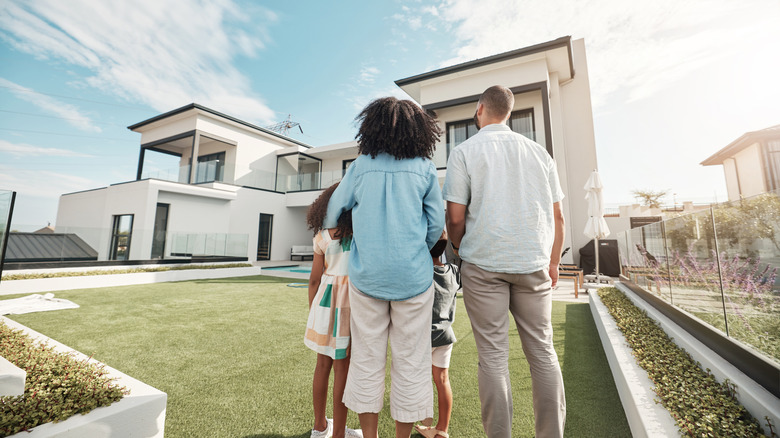
Timeless homes prioritize balanced room sizes and clear spatial definition rather than chasing extreme open-plan layouts. While open concepts gained popularity around the mid-20th century for their airy feel, many homeowners are now discovering their drawbacks, like noise travel and lack of privacy. It can also affect you psychologically, as the visual clutter from an open floor plan can lead to mental fatigue. Well-proportioned rooms offer a sense of comfort and order, allowing each space to serve a clear purpose. Rather than one oversized, undefined living area, the most enduring layouts strike a balance by keeping sightlines open while using subtle separations to define function. Defined areas also support daily rhythms, creating boundaries between work, rest, and social life that are increasingly important in modern living.
Homes designed with thoughtful proportions are easier to decorate and adapt as needs change. Instead of a living area that functions as one large, undefined box, timeless layouts keep spaces visually connected while still giving each area a sense of purpose. A dining room that can double as a study, or a living room that feels intimate rather than cavernous, offers long-term flexibility without sacrificing openness. Design approaches like wider doorways, partial walls, built-ins, or subtle ceiling height changes help maintain flow while introducing comfortable separation. Balanced layouts also improve sound control and temperature regulation, enhancing day-to-day comfort. By embracing this middle ground, homes feel modern and easier to live in over time.
Natural materials that age gracefully
Sergei Scherbak/Getty Images
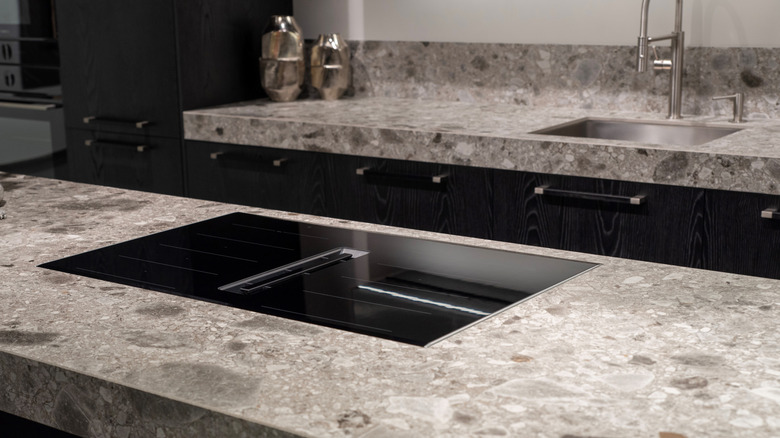
Natural materials like solid wood, stone, brick, and metal play a defining role in homes that endure. These materials don’t just withstand time – they evolve with it. Unlike synthetic finishes that chip, peel, or fade unevenly, natural materials develop patina and character, telling the story of years well-lived. Small imperfections become part of their charm, adding warmth and depth that can’t be replicated. In fact, some decorators consider this natural aging more valuable.
Because these materials come from nature, they tend to feel relevant across decades instead of being tied to a particular design era. This ability to age gracefully is what gives timeless homes their layered, lived-in appeal. Rather than looking worn or neglected, these surfaces feel authentic, reinforcing a sense of permanence that encourages homeowners to preserve and care for their spaces.
An emphasis on craftsmanship
Tulcarion/Getty Images
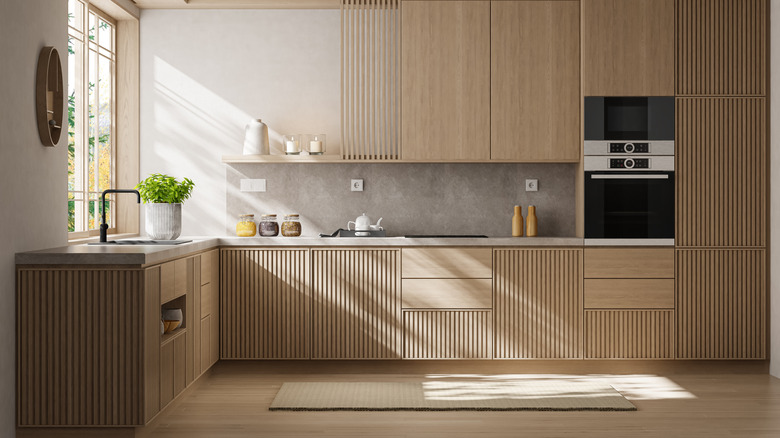
Homes built to last place craftsmanship above convenience. Custom cabinetry and thoughtful, well-executed built-ins, trims, and accents signal a commitment to quality rather than speed. These elements are designed to fit the home precisely, improving both function and aesthetics while maximizing usable space. When details are tailored to a home’s layout and proportions, they feel intentional rather than added on, creating a cohesive environment. Unlike off-the-shelf solutions that may wear quickly or feel temporary, crafted details create a sense of permanence and care that becomes more valuable over time.
Skilled workmanship also plays a critical role in reducing long-term maintenance and repair costs. Durable material and proper installation prevent many issues that arise from unskilled construction. While investing in craftsmanship may cost more upfront, it’s worth it, as it can also increase a home’s long-term value. Well-built homes are easier to maintain and adapt, requiring fewer interventions as years pass. In a culture driven by quick fixes, craftsmanship remains a clear marker of a home designed to endure, offering lasting quality that continues to reward homeowners.
Well-planned utilitarian spaces that support daily life

Sheila Say/Shutterstock
Homes that truly stand the test of time don’t just prioritize beauty; they also make room for the practical spaces that support everyday life. Devoting square footage to hardworking areas like laundry rooms, garages, pantries, and storage zones can make a big difference in how livable a home feels over the years. These spaces may not photograph as dramatically as a fancy bathroom or closet, but they quietly support daily routines and long-term comfort. When thoughtfully designed, they reduce clutter and streamline household tasks, improving the livability of relaxing spaces like living areas and bedrooms.
While a luxurious bathroom can feel nice, sacrificing functional zones to achieve it often leads to regret later on. As households grow, the absence of practical spaces becomes a real pain point. A missing laundry room, limited pantry storage, or lack of a mudroom can quickly turn into daily frustrations, prompting costly and disruptive renovations. Homes designed with balanced utility are better equipped to adapt to real life, making them easier to live in long-term.
Architecture that guides design decisions
Spiderplay/Getty Images
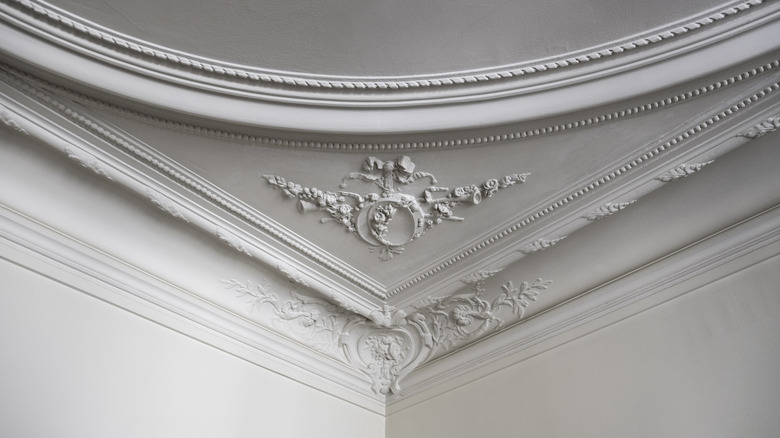
Homes age best when their original architecture is respected and allowed to shine. Preserving structural elements like moldings, beams, arches, and original layouts maintains the character that makes a home distinctive. These details provide depth and authenticity that can’t be replicated through surface-level styling or trend-driven updates. They reflect the craftsmanship and intent of the original design, grounding the home in a sense of place and history. When contemporary trends are layered onto an existing structure without regard for its original language, the result can feel visually fragmented over time.
Retaining original architectural elements is also a sustainable and practical choice. Preservation reduces the demand for new materials and limits construction waste, while often requiring fewer resources than full-scale remodeling. Additionally, homes that maintain architectural integrity tend to hold or increase their value and market appeal, as buyers are drawn to authenticity. Letting the architecture lead creates a home that feels grounded. By allowing original structural elements to guide design decisions, the space retains its authenticity while remaining functional for modern living.
Flooring with lasting appeal
studio992/Shutterstock
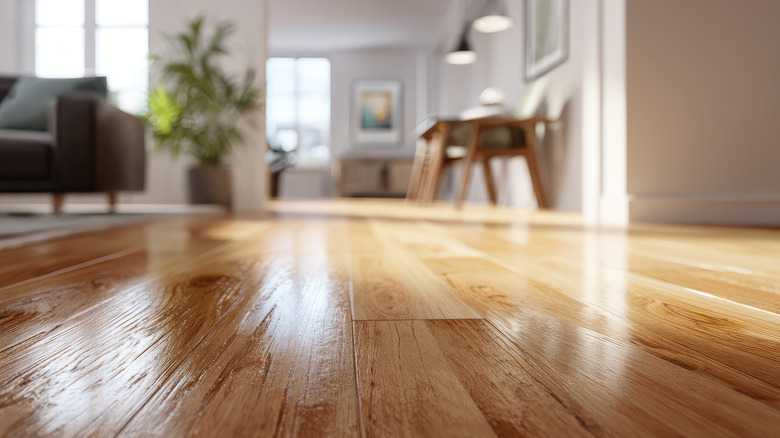
A home built to endure typically starts from the ground up, and few materials rival the longevity of solid hardwood flooring. With proper care, hardwood can last 50 to 100 years or more, often outliving the trends that surround it. Unlike synthetic or trendy options that require full replacement, hardwood can be sanded or refinished multiple times. This allows the surface to evolve alongside the home, adapting to new styles while preserving its original integrity. Its natural grain and rustic appeal contribute to a sense of authenticity that manufactured materials struggle to match.
Beyond its longevity, many potential buyers also feel that hardwood floors improve with age, rather than diminishing. Minor dents and wear marks become part of the lived-in patina, adding character instead of signaling damage. Properly installed, solid wood floors can withstand decades of daily use and seasonal changes. In this way, hardwood functions as a foundational element that can truly last and take on a new identity over time.
Thoughtful use of natural light
<div class="slide-key image-holder gallery-image-holder credit-image-wrap" data-post-url="https://www.housedigest.com/2064788/characteristics-home-
Related Posts
The Best Thrift Store Chairs To Upgrade Your Retro Dining Room
Taikrixel/Getty Images We may receive a commission on purchases made from links. You know, who…

Plant This Peach Type For Tasty Fruit & Pretty Spring Flowers
JoannaTkaczuk/Shutterstock There’s nothing quite like plucking fruit from a tree you’ve nurtured for years and…

3 Plants to Keep Away from Cucumber Crops and Why
Samuelbrownng/Getty Images Hey there, fellow gardeners! If you’re aiming to create a flavorful veggie patch,…