
Vladdeep/Getty Images
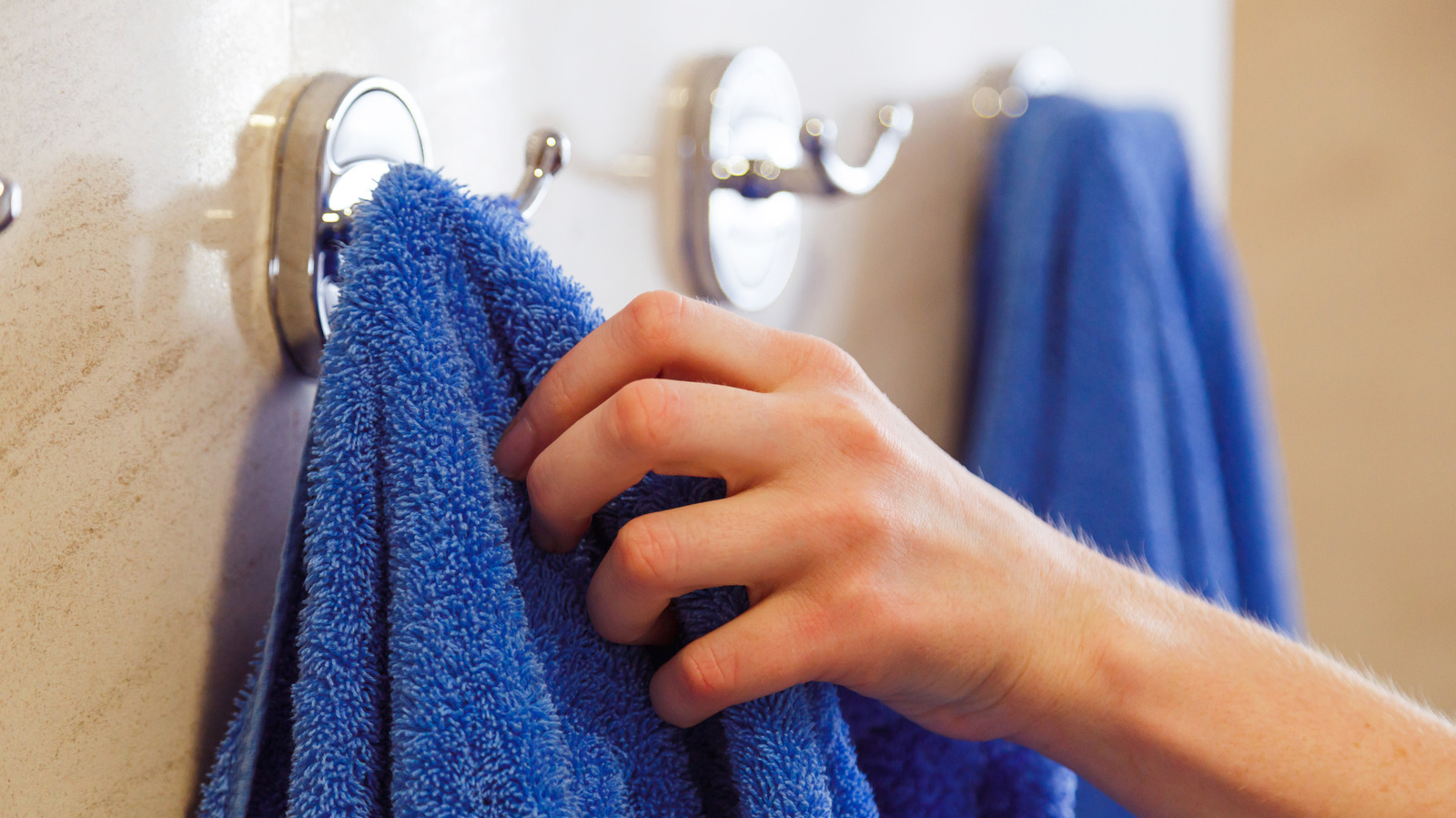
We may receive a commission on purchases made from links. Isn’t there just nothing better than wrapping yourself up in a soft, fluffy towel after a shower? It’s the little things that make getting up on a Wednesday morning worth it. But when you step out and have to dry off with a sad, scratchy towel, it’s such a letdown. Dingy towels can be super frustrating and even make your life uncomfortable. Plus, replacing towels all the time is expensive. But the good news is, there are some easy fixes for keeping your towels looking and feeling their best. Things like using too much detergent, relying on fabric softener, or overloading the washing machine can all contribute to towel troubles. But with a few simple tweaks, you can get your towels back to their former glory. New Africa/Shutterstock
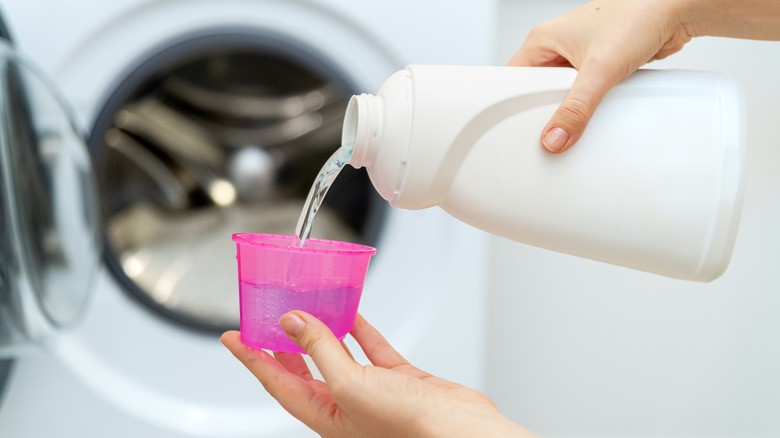
We’ve all probably been guilty of using too much detergent at some point. The thinking is, the more soap, the cleaner your towels will be. But that’s not how it works. If you use too much, the excess detergent can stick around in the fabric, making the towels feel stiff and dingy. Luckily, this is an easy mistake to avoid. First, make sure you’re not overloading your washing machine – that can make you think you need more detergent. Then, just follow the instructions on your specific detergent and stick to the recommended amount. High-efficiency washers often only need a surprisingly small amount of soap. Erhan Inga/Shutterstock
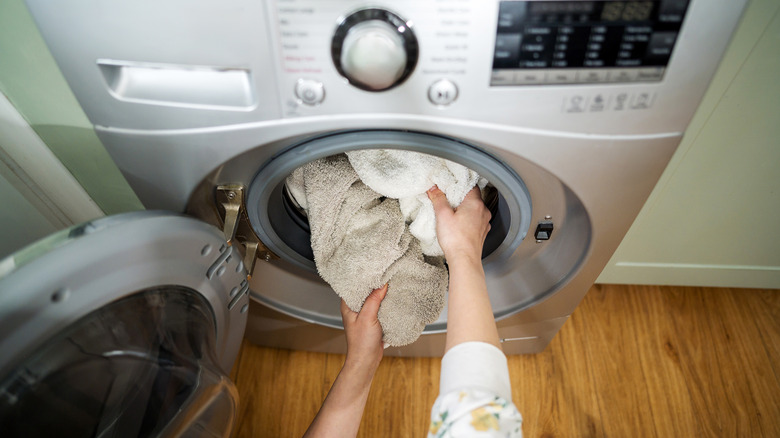
No matter what you’re washing, don’t overload your machine. This is especially important for towels, since they’re so heavy and absorbent. If the drum is packed too full, the dirt can just get redistributed back onto the towels instead of getting flushed out. To fix this, try splitting larger loads into two. Or check your machine’s instructions and aim to load it no more than two-thirds full. You should be able to easily fit your hand between the laundry and the top of the drum. Helin Loik-tomson/Getty Images
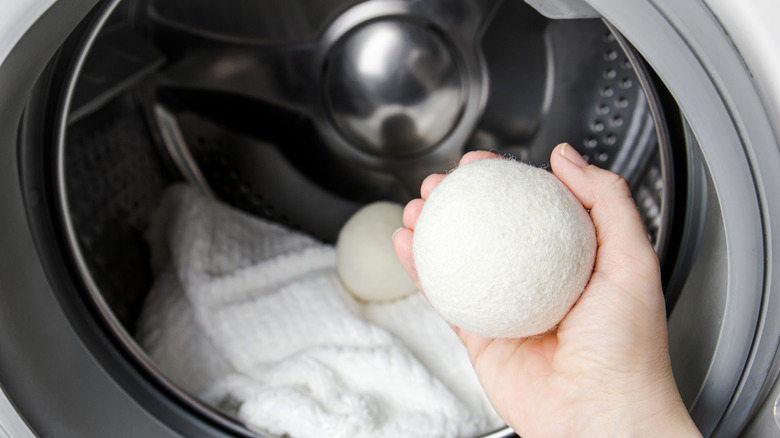
Fabric softener might make your clothes feel soft, but it can actually be doing more harm than good. It leaves a coating on the fabrics that reduces their absorbency and can trap dirt inside. To get around this, skip the fabric softener and use some dryer balls instead. They’ll leave your towels soft without any chemical residue. You can even add a few drops of essential oil to them for a nice scent. Damian Lugowski/Shutterstock
Bleach can be great for brightening dingy towels, but it comes with a warning – over time, it can react with the oils in your towels and cause them to yellow or go gray. It can also weaken the fibers. To avoid this, skip the chlorine bleach and use an oxygen-based bleach or a laundry booster instead. They’re much gentler on fabrics. Igor Nikushin/Getty Images
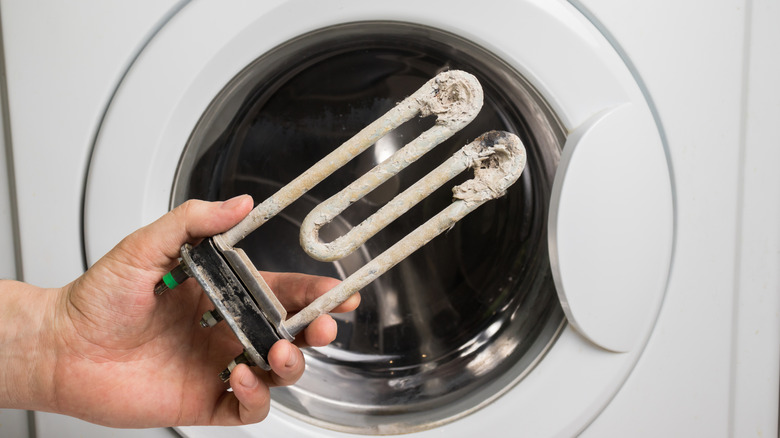
Hard water, which has a lot of minerals like calcium and magnesium, can leave deposits on your towels that make them feel stiff and discolored. Over time, this can really make your towels look and feel worn out. To fix this, you can use a water softener or even have a whole-home water softener system installed. It’s an investment, but it could save you a ton on replacing ruined fabrics down the line. Evgenyrychko/Shutterstock
While hot water is good for washing towels, you’ll want to dry them on a gentler setting. High heat can “cook” any leftover residue into the fibers, causing them to yellow and wear out faster. For the best results, use a low-temp drying cycle and let your towels finish air-drying. This will keep them fluffy and prevent them from getting damaged by excessive heat. Wirestock/Getty Images
Like fabric softener, dryer sheets can leave behind a waxy coating that reduces your towels’ absorbency and makes them feel stiff. Do your towels a favor and skip the dryer sheets. Use some dryer balls instead – they’ll keep your towels soft without the chemical buildup. Sergiy Akhundov/Getty Images
Your washing machine needs regular cleaning too. If you don’t, it can build up grime, mold, and bacteria that can then transfer to your towels, making them look and smell dingy. Run a cleaning cycle every 3 months using a washing machine cleaner. This will help keep everything fresh and prevent that nasty biofilm from building up. Szakalikus/Getty Images
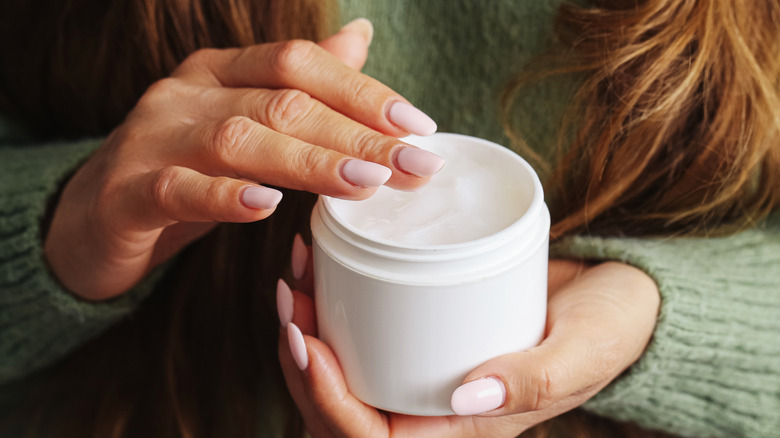
If you love slathering on the body butter, that could be contributing to your dingy towel problem. Even after showering, some of those oils can linger in the towel fibers. Standard washing often can’t fully remove them. To fix this, try using a bit less body product, and add some dish soap or an enzyme stain remover to your towel wash. That can help break down the oily buildup. Pawel Michalowski/Shutterstock We may receive a commission on purchases made from links. Hey there! It’s… WR7/Shutterstock We may receive a commission on purchases made from links. Shoe cabinets don’t last… Thai Liang Lim/Getty Images Ceiling fans can really collect a ton of dust over time.…
Using too much detergent causes a build-up in your towels

Overloading the machine prevents your towels from rinsing thoroughly
Using too much fabric softener leads to a reduction in towel absorbency
Relying on chlorine bleach can lead to yellowing and graying
Hard water can cause minerals to settle into your towels’ fabric
Always drying on high heat can set stains and degrade fibers in towels

Dryer sheets can leave a waxy film on towels, similar to liquid softeners

Not cleaning the washing machine causes a buildup of biofilm that can contribute to dingy towels

Using too much body butter or oil
Letting damp towels sit in the hamper is a surefire recipe for mildew
Related Posts
Cheap And Easy Ways To Improve Airflow In Your Stuffy Closet

Turn An Old Shelf Into Handy Outdoor Storage

Easy Way to Keep Ceiling Fans Dust-Free