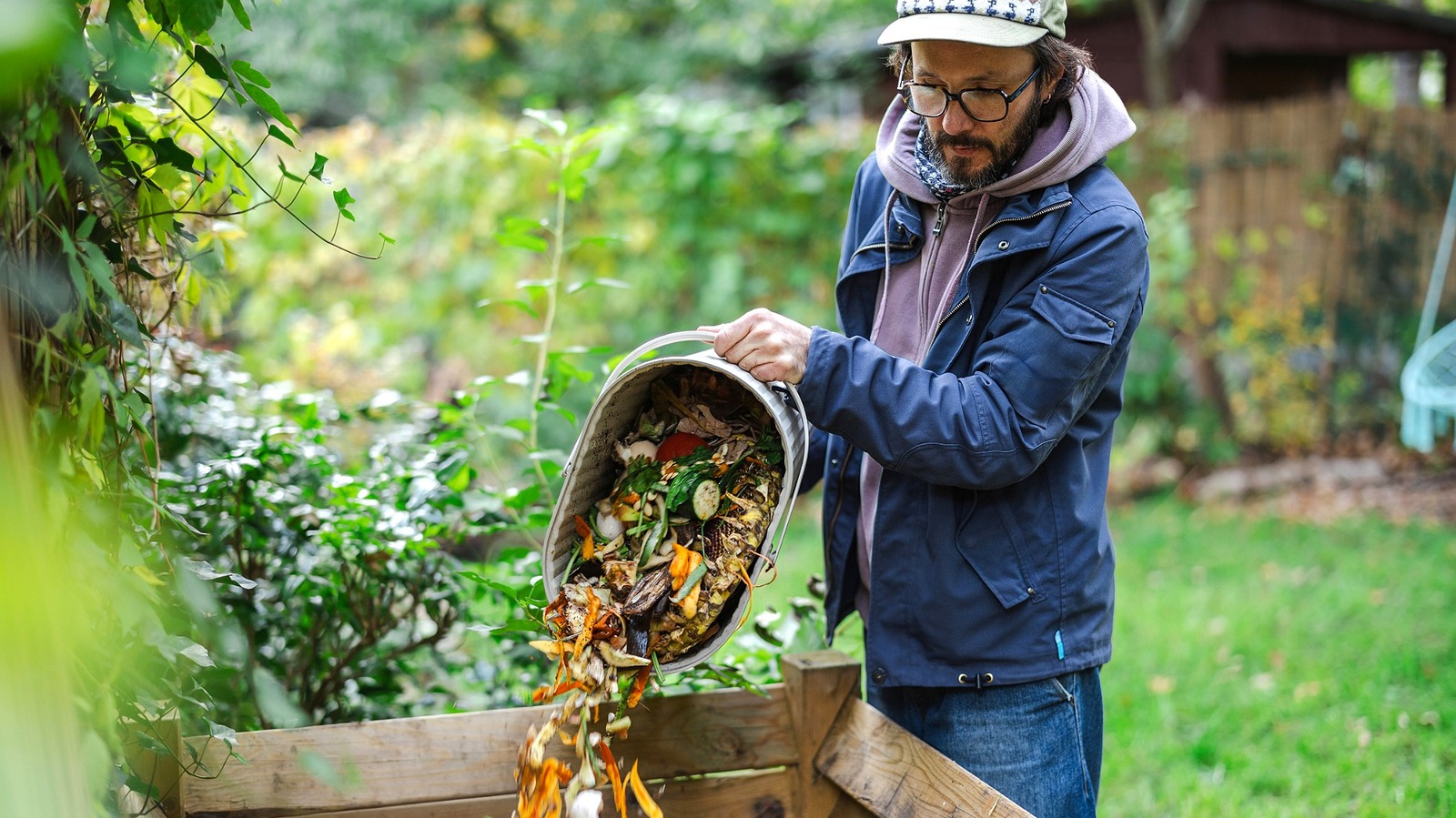
You know how we’re always tossing potato and banana peels into our compost bins? Well, there’s another kitchen scrap that deserves some love too – and you’ve probably been throwing it away: tomato stems. Sure, we all love cutting up fresh tomatoes for salads, sandwiches, and pasta sauce, but those tough green stems? They usually end up in the garbage. Here’s the thing though – they’re actually packed with nutrients your compost needs. Instead of sending them to the landfill, pop them in your compost pile and you’ll be creating a richer, more balanced setup that’ll make your garden plants super happy down the road. Before you dump those tomato stems into your compost bin, do yourself a favor and chop them up into smaller pieces first. They’re thick, fibrous, and kind of woody, so breaking them down will help them break down faster too. Once they’re chopped, toss them in with your other green stuff (think grass clippings, fruit and veggie scraps, coffee grounds) and mix everything together nicely. (See .) Piksel/Getty Images
Why are tomato stems such a great compost addition?
 Kinek00/Shutterstock
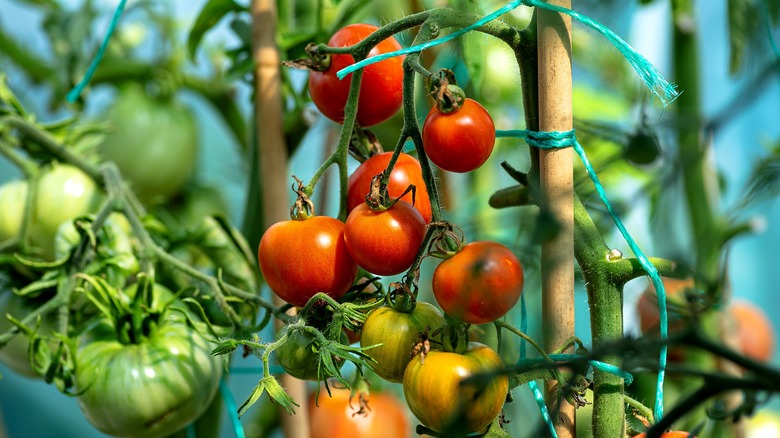
 Building a healthy, thriving garden starts with healthy compost, and that means packing it full of variety. Tomato stems are nitrogen-rich, which is super important for growing lush green leaves and keeping plants strong and vigorous overall.
Plus, those chunky stem pieces are great for your pile’s structure – they create little air pockets that let oxygen flow through. That’s crucial because without enough air, your compost can get pretty stinky and unpleasant. Adding tomato plant material like stems actually helps keep your whole heap healthier and happier.
There’s another awesome benefit too: when you regularly add these green scraps to your pile, you’re basically making your own custom soil amendment. This means less reliance on expensive store-bought soil boosters and chemical fertilizers. As the tomato stems and everything else in the pile breaks down, it turns into something called humus – this rich organic matter is amazing at helping soil hold onto moisture, which feels like a lifesaver during sweltering summer heat.
So it turns out tomato stems aren’t something to avoid at all; they’re actually a fantastic kitchen scrap that can supercharge your garden. One last tip: just remember to balance out those fresh green stems with some brown stuff like dried leaves and sticks to keep your carbon-to-nitrogen ratio on point. (The sweet spot for food scraps is 15:1.)