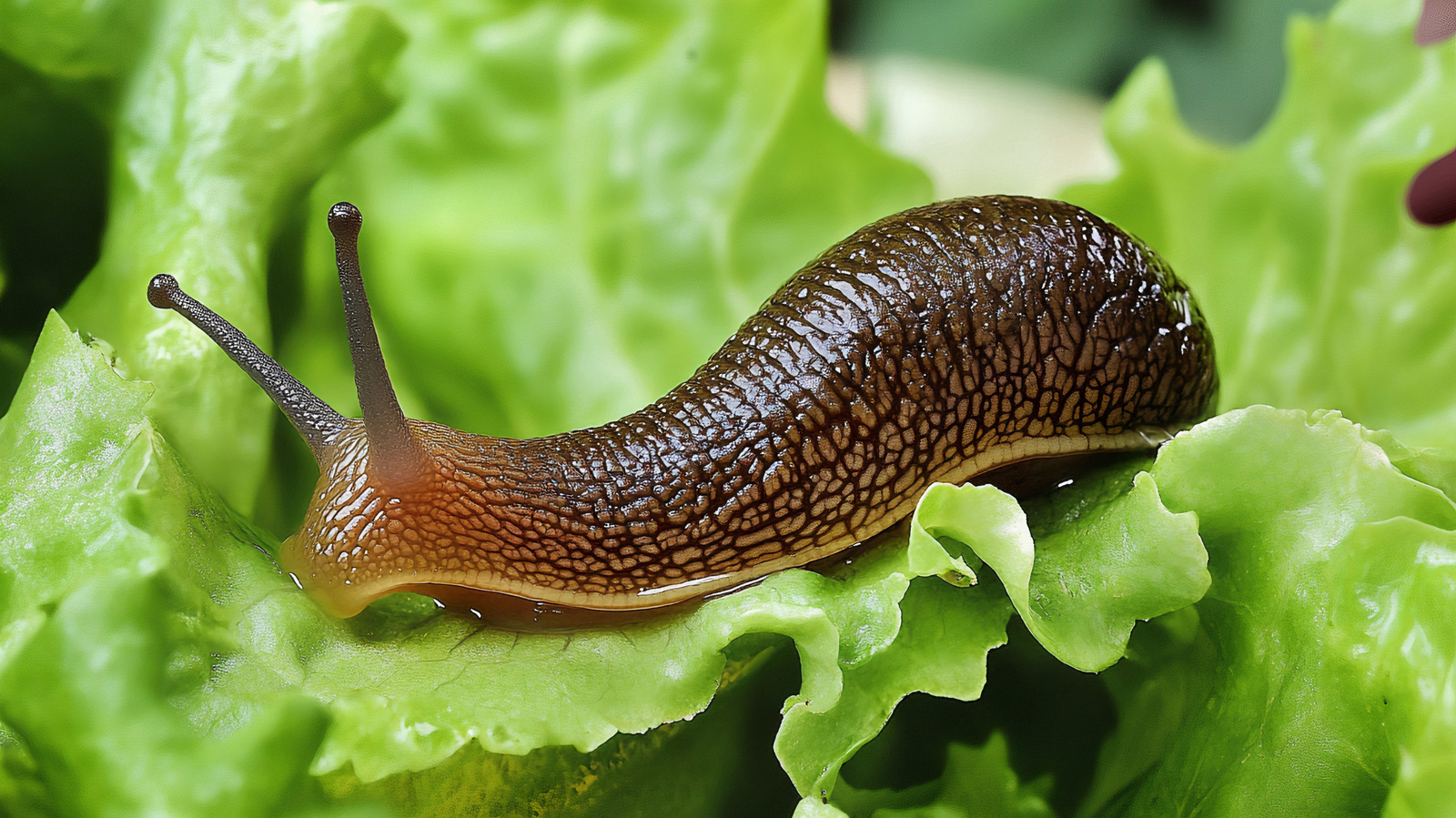
Have you ever poured your heart into creating a beautiful garden, only to find it covered in holes? Yeah, that’s heartbreaking. These tiny garden slugs, usually less than an inch long, are sneaky little troublemakers that seem to have a sixth sense for finding exactly the plants you love most. Gardeners have tried everything imaginable to stop these pests, and while traps can help, there’s a smarter approach that looks amazing too: planting gorgeous flowers that slugs simply won’t eat in the first place. Here’s the thing about slugs—they’ll munch on pretty much anything that’s within reach. They leave behind those telltale silvery trails as they go. But it turns out slugs actually have pretty specific tastes when it comes to what they’ll skip. Plants with powerful smells, like catmint (Nepeta), basically say “yuck” before a slug even gets close. And plants with thick, leathery leaves, such as fuchsia (Fuchsia), take way too much effort to chew through to be worth their time. Here’s the good news—you don’t have to sacrifice beauty for slug protection. The real secret? Building a garden that slugs simply don’t want to visit in the first place.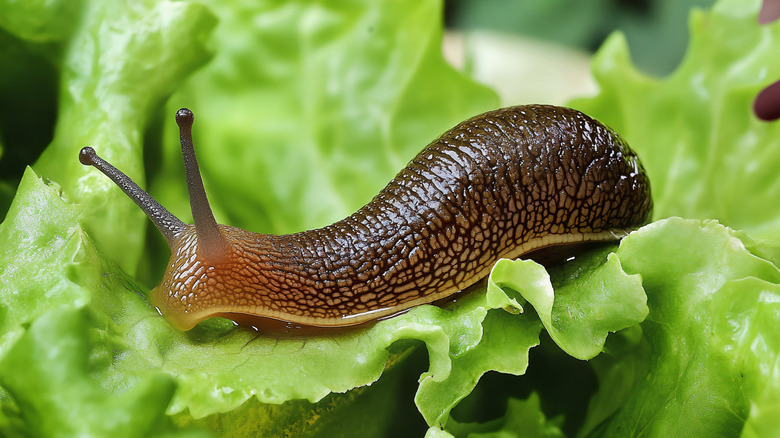 Jeffrey2/Shutterstock
Lavender
 Katya Slavashevich/Getty Images
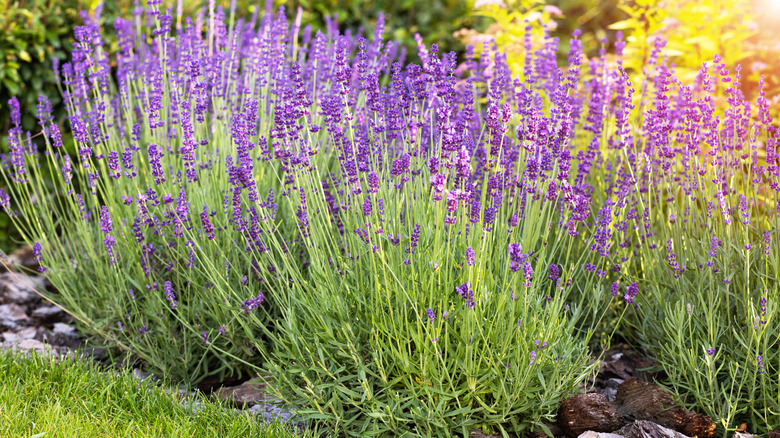
 Lavender (Lavandula) works wonders on your mind and soul thanks to its scientifically-proven calming scent. We love it, and so do bees, butterflies, and all kinds of pollinators. But that same strong fragrance is probably why slugs steer clear. Plus, their sturdy stems and leaves are tough to get through. Whether you line your walkways or borders with it, lavender adds that charming cottage-garden feel while keeping slugs at bay.
Fuchsias
 JimmySheffie/Shutterstock
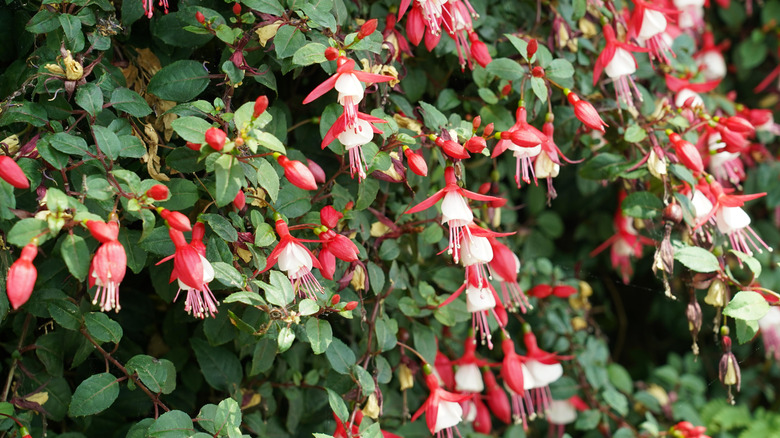
 Fuchsias have those hanging flowers that look like tiny dancers twirling around, adding instant color and life to any garden. While aphids and spider mites might give you a headache, slugs typically leave these beauties alone, thanks to their tough, fibrous leaves that are hard to munch through. Fuchsias bring tropical vibes and grow best in USDA Zones 5 to 10, so they work for lots of different climates.
Japanese anemone
 Emer1940/Getty Images
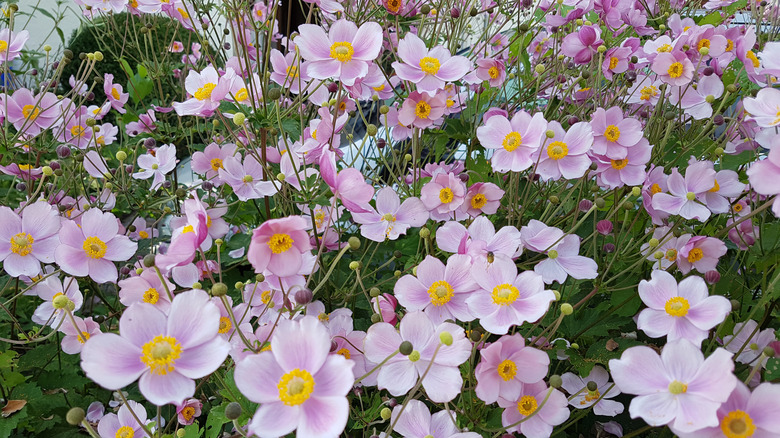
 Japanese anemones (Anemone x hybrida) brighten things up with their pink, purple, or white flowers. You won’t get rid of all pests, but their leaves are rough and bumpy, so they’re not a slug’s first choice for dinner. These low-fuss perennials are perfect for filling in bare spots that get plenty of sun throughout the day since they grow quickly. We’ve got tons of that look great and keep slugs away too.
Allium
 Alex Manders/Getty Images
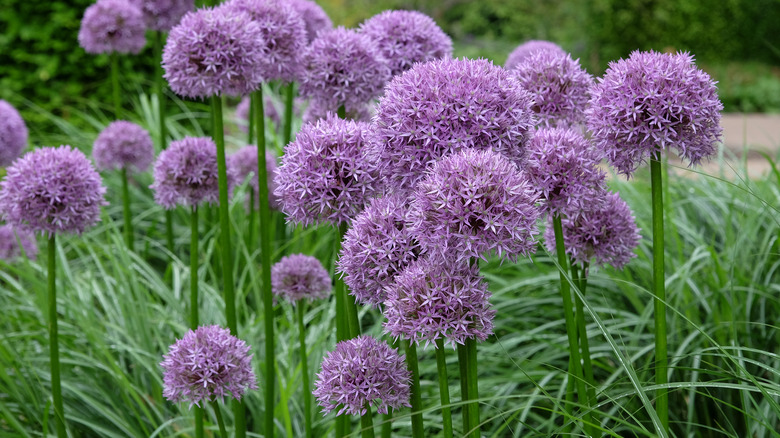
 Allium flowers, also known as ornamental onions, have a slightly bitter taste and produce a chemical that’s toxic to slugs—which is exactly why these pests leave them alone. They come in tons of colors like pink, yellow, red, and purple, with cute globe-shaped blooms that dress up your landscape. Alliums are low-maintenance perennials that need at least six hours of direct sun and do their best in Zones 4 to 9.
Poppies
 Bgfoto/Getty Images
 If you want slug-proof flowers that really make a statement, poppies (Papaver rhoeas) are your answer. Each delicate bloom hangs around for just a day or two, putting on a brief but gorgeous show in red, pink, or purple tones. Their prickly, textured leaves are what makes slugs look elsewhere for a snack. Poppies are easy to grow and thrive in Zones 3 to 10.
False goat’s-beard
 Kabar/Shutterstock
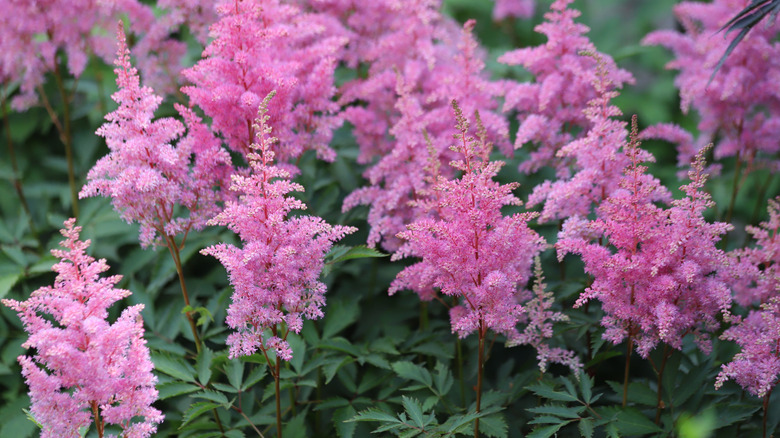
 False goat’s-beard (Astilbe biternata) has those showstopping feathery, plume-like flowers that turn your garden into a storybook setting. It loves shady spots where other plants struggle and does best in Zones 5 to 8. This perennial’s fern-like foliage might scare away common pests, including slugs, deer, and rabbits. Plus it has tough leaves they just don’t enjoy. False goat’s-beard grows up to 6 feet tall and fills in those awkward empty spaces perfectly.
Foxglove
 Patrikstedrak/Getty Images
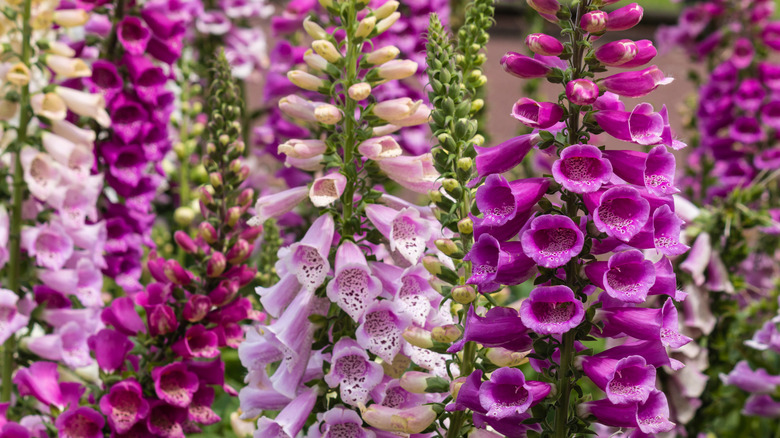
 Foxglove (Digitalis purpurea) definitely doesn’t do subtle. Its tall spikes of bell-shaped blooms can shoot up to 5 feet or taller, bringing serious drama to cottage gardens. Just remember—every single part of this plant is poisonous if eaten, which is exactly why slugs and deer stay far away. It thrives in Zones 4 to 9 as long as it gets at least six hours of sunlight daily.
Geraniums
 Banedeki/Getty Images
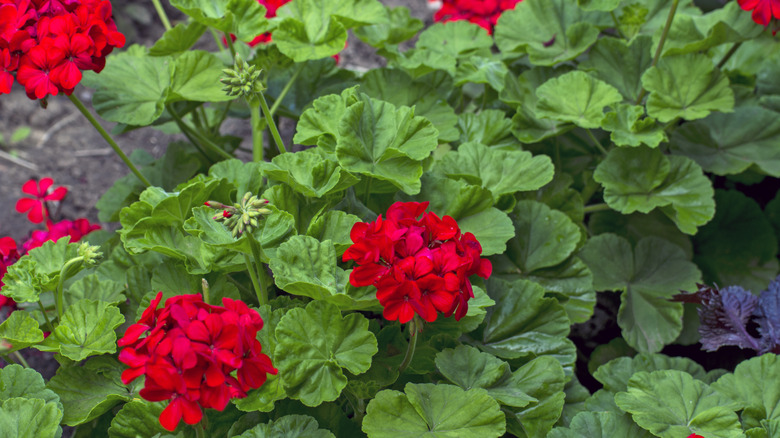
 Geraniums (Geranium) are some of the easiest and longest-blooming flowers around, bursting with cheerful petals in pink, white, red, purple, or orange. While you might enjoy their fragrance, slugs prefer to pass them by. So if your or have other troubles, slugs probably aren’t the culprit. Geraniums love Zones 9 to 11 with full sun and well-draining soil. They’re super laid-back and can handle dry conditions, making them ideal for containers, hanging baskets, and garden beds.
Peonies
 terimma/Shutterstock
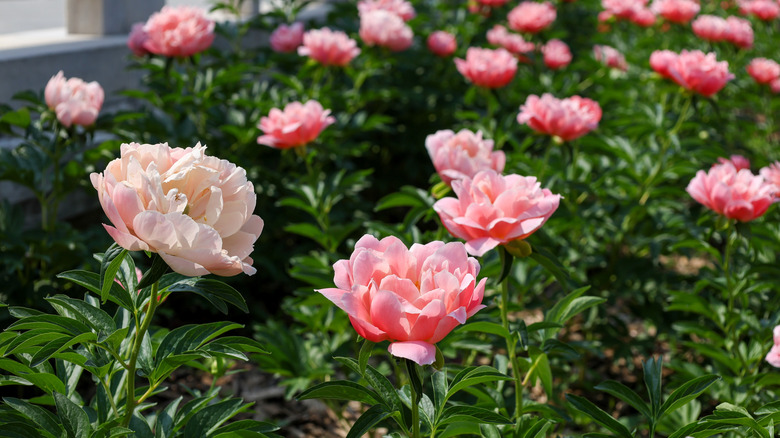
 Peonies (Paeonia) are the garden overachievers that deliver serious beauty. Each bloom opens up into a stunning display of ruffled petals that brings more wow factor than almost anything else. Thanks to their glossy, leathery leaves, slugs typically ignore them. They take a bit to get established, but once they do, peonies basically run on their own in Zones 3 to 8.
Catmint
<div class="slide-key image-holder gallery-image-holder credit-image-wrap" data-post-url="https://www.housedigest.com/2214693/flowers-that-slugs-dont-eat/” data-post-title=”Popular Flowers That