Picking a new kitchen sink can feel like falling down a rabbit hole. But if you’re looking at trendy warm metals like brass and copper, you’re on the right track. Both offer great functionality and antimicrobial properties, though they do require some routine care and maintenance. In general, brass may be the lower-maintenance option if you prefer a gleaming sink look. But before you decide, it’s good to know the differences. Copper sinks are mostly copper (99%) with a touch of zinc. Brass, on the other hand, is an alloy made of copper and zinc. The zinc content affects the color and durability, making brass a bit tougher than copper. If you love the idea of a patina, copper may be easier since the patina acts as a natural protector. But for a polished look that requires less waxing, brass could be the way to go. Suchada Tansirimas/Getty Images
Kitchen Sinks: Brass or Copper? Which Needs Less Work to Keep Clean?

What to know if you choose a brass sink for your kitchen
 Evgenii Ryzhenkov/Getty Images
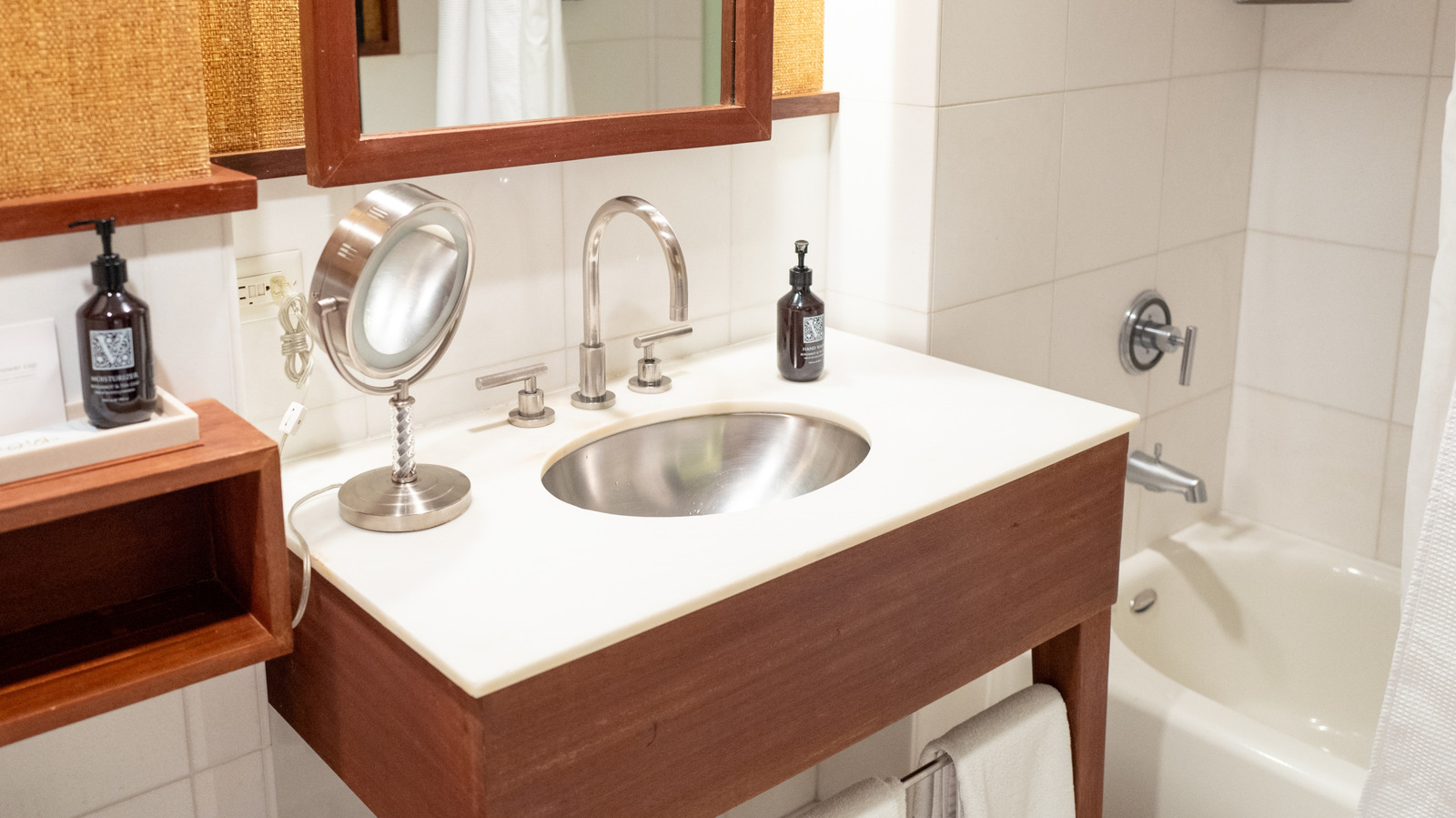
Brass is antimicrobial thanks to the copper, but the added zinc makes it more durable than copper. Still, it can be prone to scratches, dents, and damage from heavy cookware. Avoid harsh cleaners, and stick to mild soap and water to keep it looking great. The patina that develops over time is a personal preference – some love the natural aging, while others want to keep it polished.
If you want to maintain that shiny brass look, a lacquered finish is less likely to patina quickly. Unlacquered brass will start developing a darker, richer patina in just a couple weeks. Some folks even prefer the vintage, antique-looking patina. To restore the original brass look, use a brass-specific polish. But be careful with lacquered sinks – the polish could ruin the finish.
Copper sink maintenance tips to consider
 Chandlerphoto/Getty Images
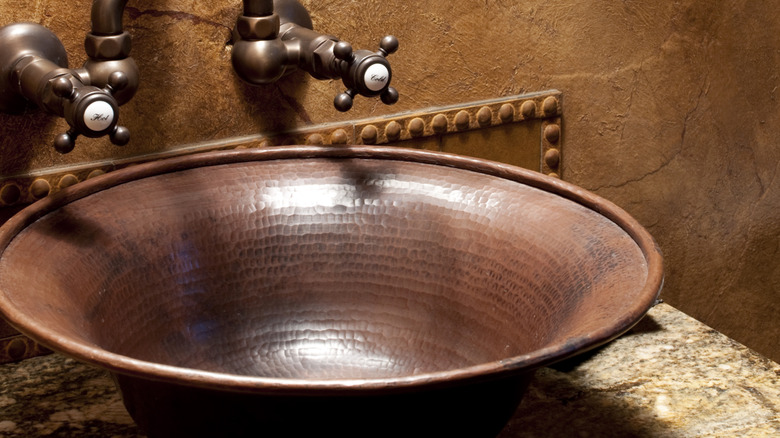
Copper sinks can start off bright orange and then develop reddish-brown tones as they age, kind of like a penny. This quick patina is part of copper’s charm for some, but not everyone’s cup of tea. To slow the aging, you’ll need to be extra careful with acidic foods that can speed up the oxidation.
Copper is also pretty delicate – it’s prone to scratches, dents, and discoloration, so it may not be the best choice for busy households. To keep it looking shiny and new, you’ll need a more involved maintenance routine. Cleaning and completely drying the sink after each use, applying wax or polish regularly, and avoiding abrasive scrubbers are key. The good news is copper is naturally antimicrobial, so you likely won’t need to disinfect it often. A gentle soap and water cleaning usually does the trick. But if you want to really slow the aging, a polish can help, though it may not prevent the patina entirely.