
Settapongd Dee-ud/Getty Images
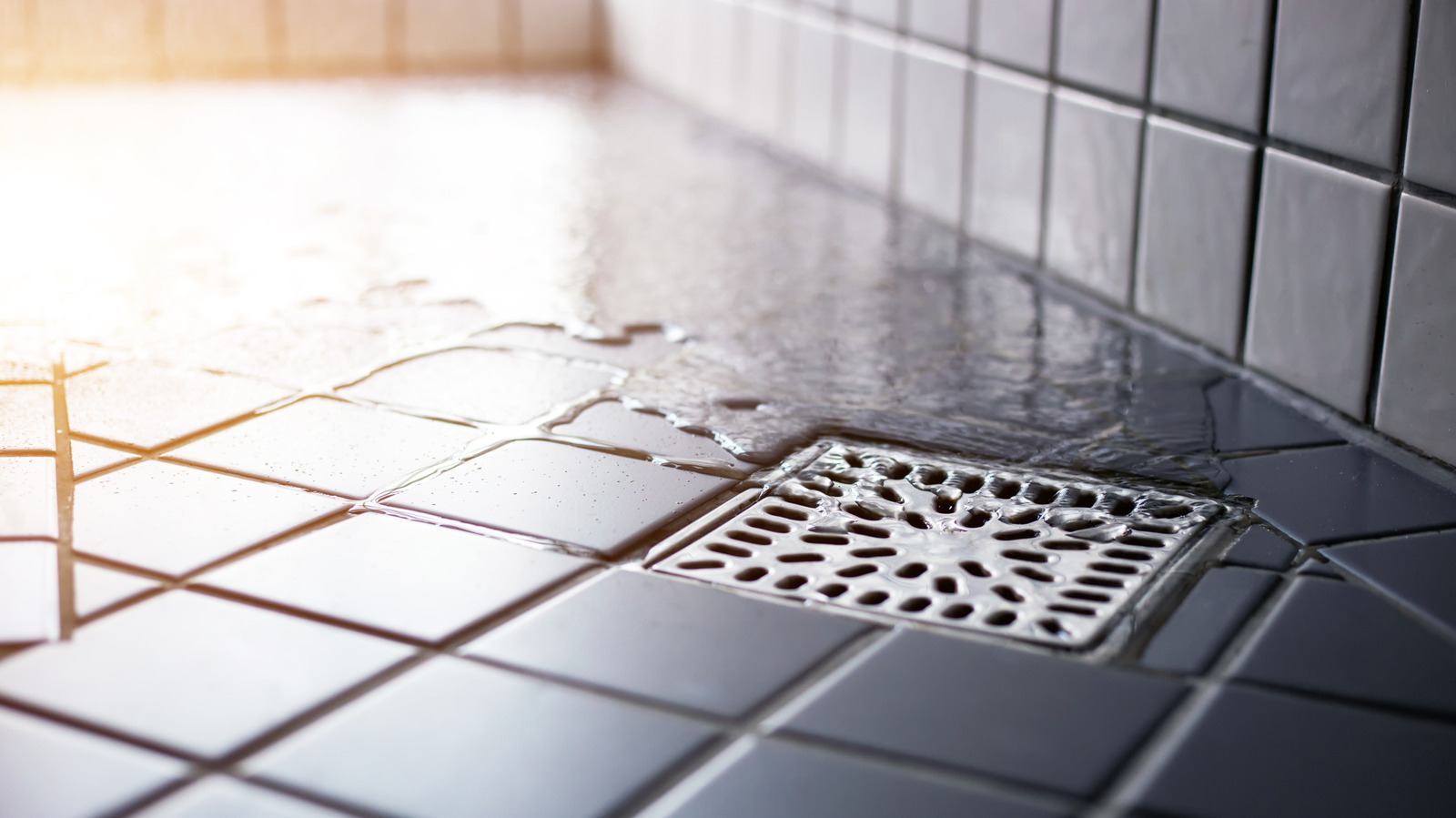
Ugh, standing in ankle-deep water during your morning shower is the worst! This usually happens when the drain isn’t installed at the right height. If the drain sits just a little too high, it acts like a mini-dam, trapping water on the shower floor. On the other hand, if it’s set too low, it creates a ledge that collects gunk and makes it tough to get a good seal. To avoid these issues, the top of the drain should be level with the finished floor or just a smidge below – about the thickness of a penny. This allows gravity to do its job and let the water flow smoothly into the pipes.
Correct drain height prevents pooling water in your shower

Urbazon/Getty Images
Getting the drain height just right takes a bit of math before you even start the installation. You need to account for the subfloor, waterproof membrane, mortar, and tile – every layer that goes into the floor. Pros usually aim to have the drain grate at the lowest point of the slope so the water flows smoothly toward the plumbing. If the drain is flush with the floor, no problem. But if it’s not seated deep enough, water will just pool on the shower floor instead of draining.
There are also those little weep holes on the drain flange that you need to consider. These allow water that seeps past the tile to drain into the pipes. If the drain body is too high, those holes can get blocked by the waterproofing or mortar, leaving your shower floor perpetually damp. And the clamping ring needs to compress the liner against the drain body without creating a lip that traps water.
It’s a good idea to do a dry run by stacking all your tile and drain parts to see how they line up before installation. That way you can tweak the drain height if needed. For showers with pre-sloped foam trays, you still have to make sure the integrated flange is perfectly flush with the tray surface.
Proper plumbing slope keeps your shower draining smoothly
Travelarium/Getty Images
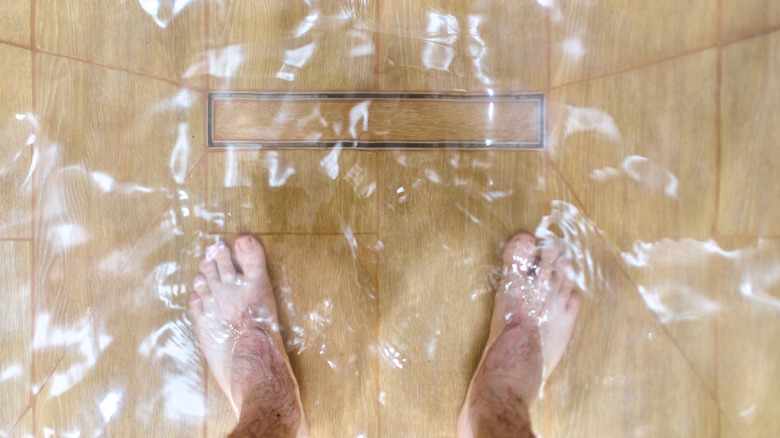
While the visible drain grate needs to be flush with the floor, the hidden plumbing underneath has its own depth requirements. Plumbers typically tuck the P-trap 2 to 4 inches below the shower drain. This specific measurement is crucial – it keeps the water seal intact, which is the only thing blocking sewer gases from wafting up. If the trap is too close to the surface, it might not have enough room to function properly. But if it’s buried too deep, it becomes a pain to access if there’s ever a clog.
Improper drain and trap depth can really mess up your shower drainage. It prevents the system from effectively clearing out debris. The horizontal drain pipes also need to maintain a steady ¼-inch slope per foot to work properly. If the drain is installed at the wrong depth, getting that pitch right becomes really difficult. Sometimes this means having to relocate the drain, but getting the measurements dialed in from the start ensures your shower will drain quickly and quietly – and protects your home from any structural issues down the line.