

25, 2026 6:30 am EST

Fg Trade Latin/Getty Images
At 73, retirees dealing with medical costs also have to manage their required minimum distributions (RMDs). RMDs are yearly withdrawals retirees must make from their tax-deferred accounts like 401(k)s, 403(b)s, and some IRAs. These withdrawals are subject to income tax. Calculating the right amount isn’t easy – it’s not just a percentage of your savings.
“Your account custodian will calculate your RMD each year, but you’re responsible for ensuring the amount is correct and the distribution is made,” says Eric Heckman, CEO of Heckman Financial. “You can do the math yourself by dividing your prior year-end account balance by the life expectancy factor next to your age on the IRS table.” The life expectancy factor is the IRS’s estimate of how long someone your age is expected to live. For example, a 75-year-old has a factor of 24.6. So, a 75-year-old with $250,000 in a 401(k) would need to take a $10,162 RMD that year.
Calculating RMDs when married or with multiple accounts

Inna Kot/Shutterstock
Married retirees must also take an annual RMD, but their withdrawals may look different. Each spouse has to take an RMD separately after 73, based on their own accounts and life expectancy. There’s an exception if one spouse is over 10 years younger and the sole beneficiary – then the RMD uses a different life expectancy factor, which may lower the withdrawal.
For retirees with multiple RMD-eligible accounts, the process is the same – calculate the RMD for each account separately. But you don’t have to take the full RMD from each account. “You can add up the RMD amounts and withdraw the total from just one of your IRAs,” says Heckman. No need to spend it all – you can reinvest the extra. Retirees looking to lower their RMD could also delay taking it until a certain age.
Related Posts
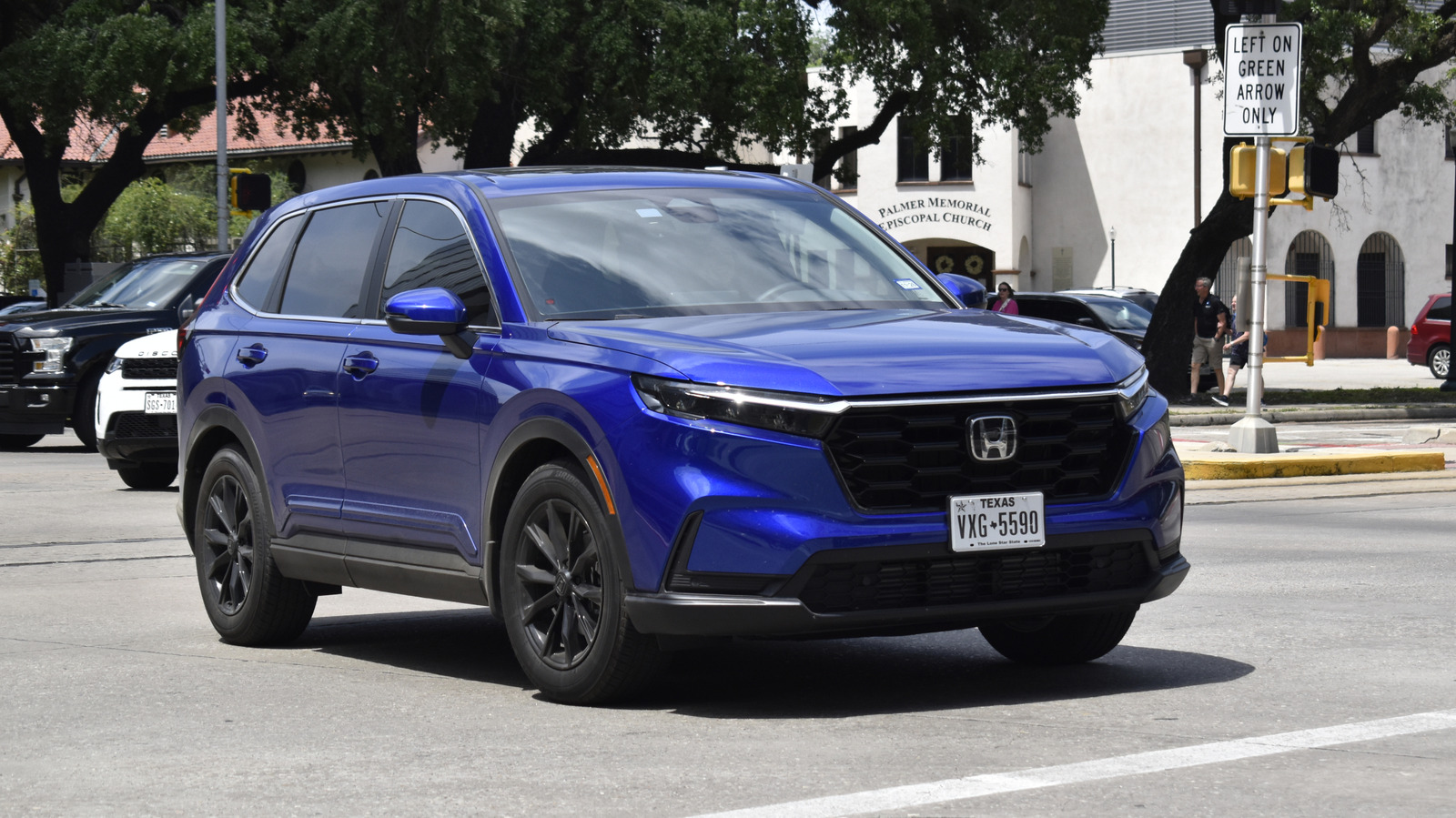
5 Signs A Retired Person Wished They Hadn’t Picked A Honda CR-V
Feb. 28, 2026 3:30 pm EST Artistic Operations/Getty Images Buying a car in retirement is…

Consumer Groups Say These Hybrid Cars Can’t Be Trusted
Feb. 22, 2026 1:15 pm EST 3alexd/Getty Images Hybrid vehicles promise to blend the performance…

Older DVDs That Are Worth Lots Of Cash In 2026
Feb. 26, 2026 12:32 pm EST Timnewman/Getty Images We may receive a commission on purchases…