We may receive a commission on purchases made from links. Looking to grow more of your own food? Leafy greens are your best bet — they’re seriously fast! From seed to dinner table in just 40 to 80 days (and baby leaves even quicker). Whether you’re growing annuals or biennials, you’ll get edible leaves in no time. Here’s the thing though: to help your leafy greens really flourish, you’ll typically want to fertilize them twice — once when you plant them, and again a few weeks later when they’re about a third of their full size. Getting the timing right for your leafy greens matters way more than which product you pick. That’s because these plants grow so quickly that your fertilizing window is pretty tight. Of course, there are always exceptions! Since different leafy greens come from different plant families, they’ve got their own specific growth needs and lifespans. This two-fertilizer approach works great for spinach and brassicas, but lettuce? Your garden soil might already have everything it needs. Too much nitrogen actually makes plants more susceptible to bugs and diseases, so a soil test is your best friend for knowing what your garden really needs. Plus, if your soil is already loaded with organic matter, you might not need any fertilizer at all for plants like lettuce and beet greens. Piyaset/Getty Images
When you should fertilize your leafy greens
 Shine Like Stars/Shutterstock
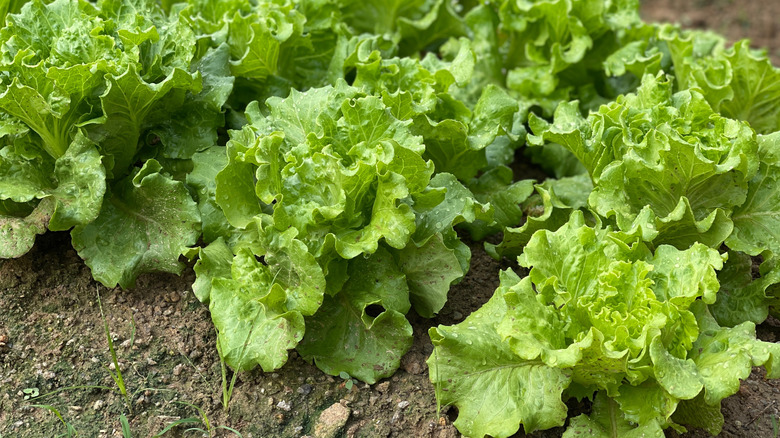
 Like dandelions, lettuce belongs to the sunflower family and typically doesn’t need extra feeding. That said, if your soil is lacking and you want to give it a boost, the ideal time is when you’re planting — just like with all your other leafy greens. For that first feeding, whether you’re starting from seeds or transplants, work a starter fertilizer right into the soil before planting. This gets the nutrients they need exactly where they belong — in the root zone where plants can grab them as they settle in and grow. Keep in mind that if you go with organic manure or compost mixed into the soil, different varieties pack different levels of nutrients and nitrogen.
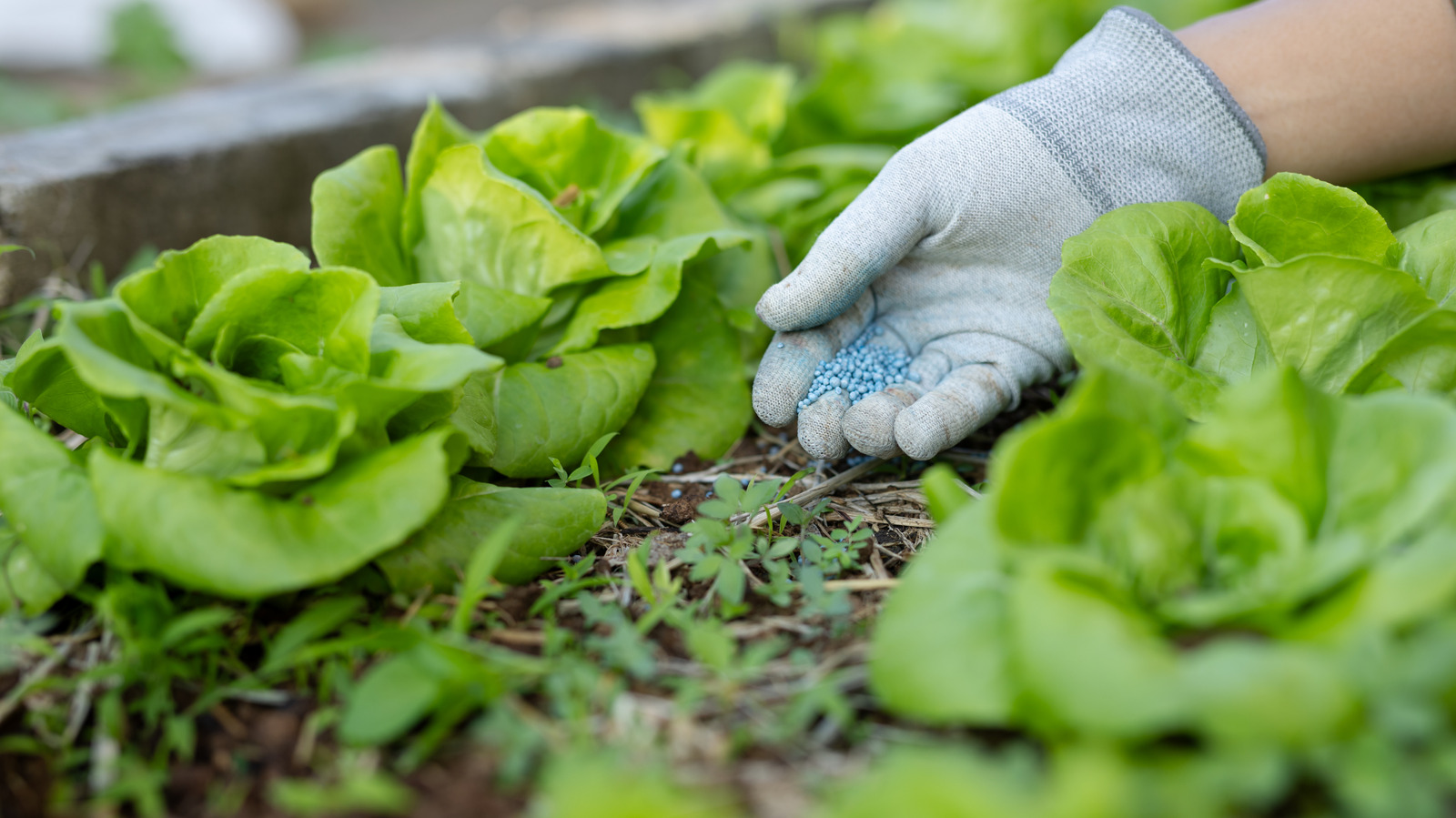
Leafy greens aren’t fussy about what you feed them, but if you’re the type who likes knowing exactly what’s going in, try a granular fertilizer — something like a standard 8-pound bag runs about $15 at Walmart. If you’re working with transplants, steer clear of liquid fertilizers right at planting time since they can damage the delicate root hairs of young, not-yet-established plants.
When it’s time for the second feeding — a few weeks in — you can switch over to liquid fertilizer. Whether you want to go with fish emulsion, a special greens blend, or just stick with your granular formula, this second boost comes at exactly the right moment to give your greens that final push before you harvest. Just remember: two feedings is the magic number, and it works with whatever fertilizer type you pick.
Other tips for getting the most from your leafy greens
 Ooyly/Shutterstock
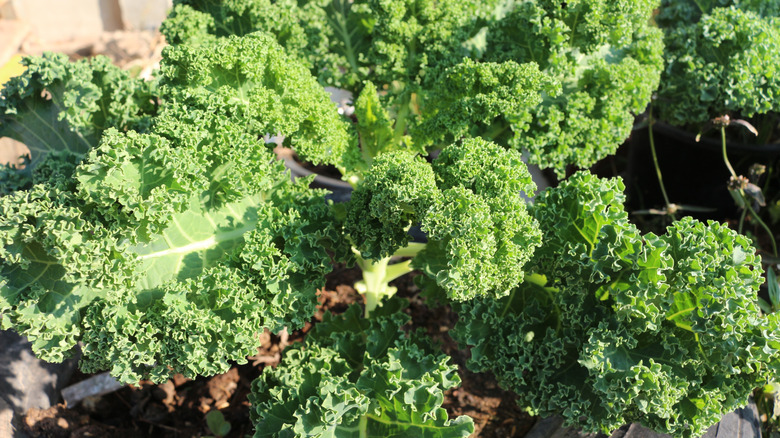
 One awesome thing about growing leafy greens? You can do it even if your garden space is super tight. Actually, container gardening is one of the simplest ways to keep fresh greens flowing from spring right through fall. By doing succession planting — starting new pots every couple of weeks — you’ll have a steady stream of greens throughout the season. And here’s the good news: the fertilizer schedule stays the same even in containers. You won’t need extra fertilizer unless you’re doing a continuous cut-and-come-again harvest or keeping plants like kale going into the next year.
Beyond fertilizer, leafy greens need a few other things to really shine. Thinning your plants is super important — it cuts down on competition for nutrients and space. You can plant densely and harvest tender baby greens as you go, but once they hit full size (around 10 inches), most leafy greens prefer having about 8 inches between each plant. Weeds are another form of competition you’ll want to eliminate if you’re after the tastiest greens possible. And then there’s water — honestly, it might be the most crucial ingredient of all. These shallow-rooted, fast-growing plants need consistent moisture, so try to water them before they start looking stressed or dried out.